


Castellabate, a Seaside Base for Exploring the Cilento
Stay by the sea, spend time in the medieval village above it and explore the Cilento at a pace that leaves room for the beach.
In this article
Why stay in Castellabate?
Castellabate works well if you want a beach holiday with time to explore the Cilento. The medieval village sits above the coast, with the seaside villages of Santa Maria and San Marco below. I stayed at Grand Hotel Santa Maria in Santa Maria. I’d choose it for a stay with the beach on the doorstep and the freedom to spend a day at an archaeological site or in another village.
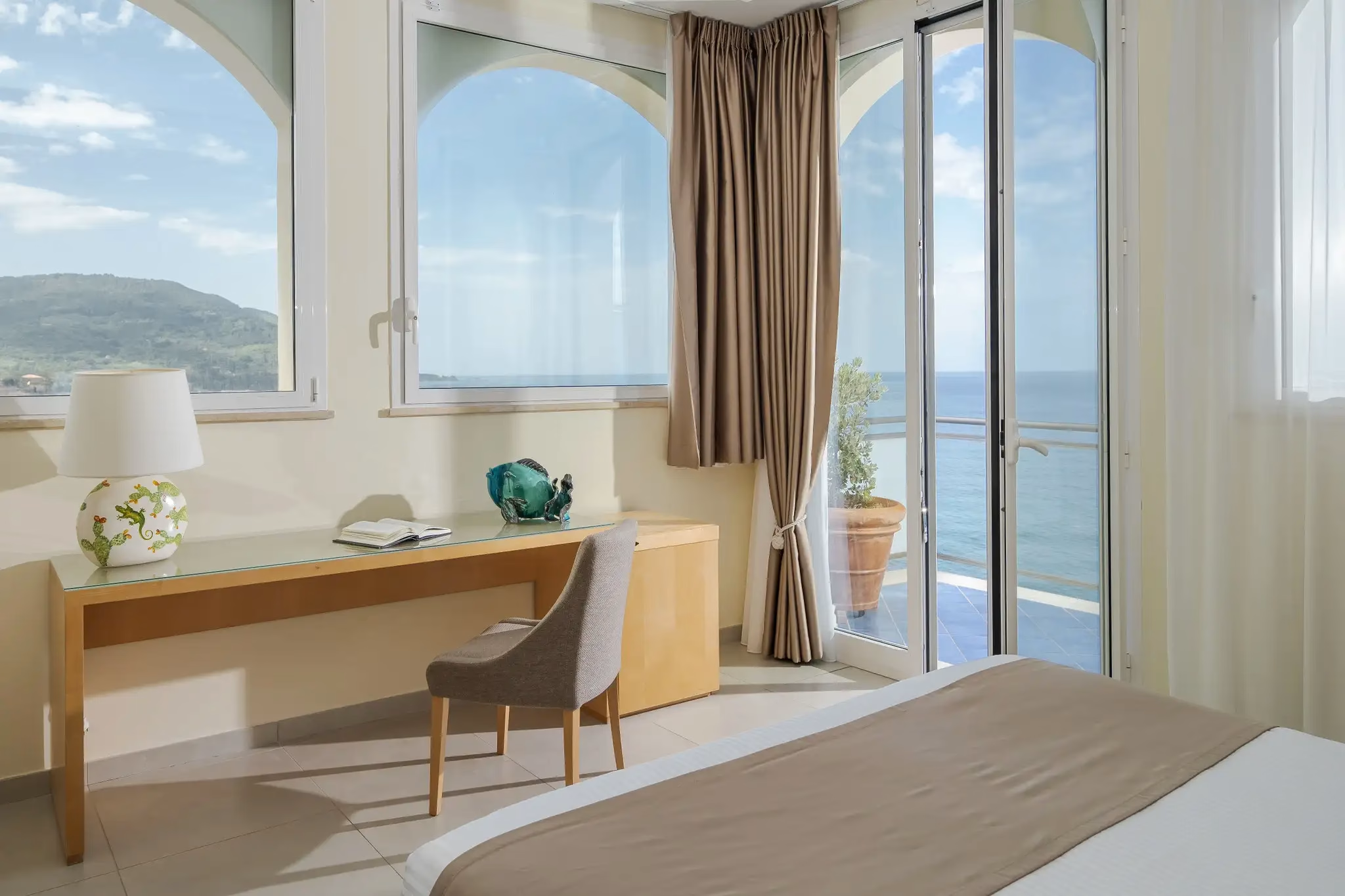
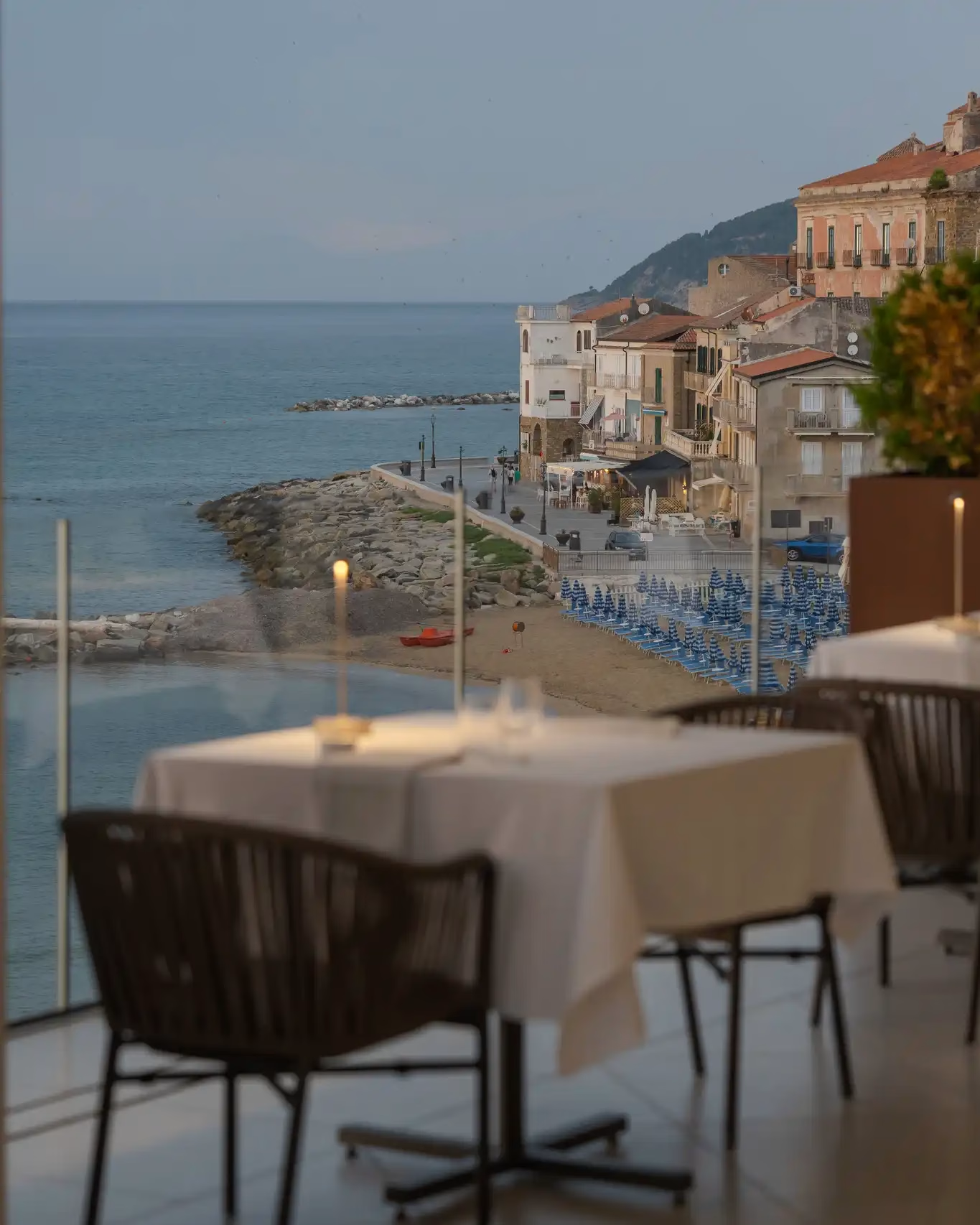
Why Grand Hotel Santa Maria works as a base
- A setting right by the sea. The hotel looks out over the Cilento coast and is a short walk from the centre of Santa Maria. It’s easy to spend a day exploring and come back in time for sunset.
- Cilento cooking on the terrace. Osteria Donnaelisa serves seasonal dishes rooted in local cooking, with a terrace overlooking the sea.
- The beach on your doorstep. The hotel sits just above sandy Pozzillo Beach, with a private beach area and Beach House for days by the water. Beach service is seasonal.
- Time to unwind. The Poseidonia Spa has a steam room and a relaxation lounge, so there’s something to come back to after a day out.
- Rooms worth spending time in. The contemporary Deluxe rooms are a good choice if you want more space and a private balcony with wide sea views.
Castello dell’Abate and the land below
Costabile Gentilcore, abbot of the Benedictine Abbey of Cava, commissioned the castle that gave Castellabate its name. The fortification gave people a place to take refuge and a position from which to oversee the coast. The village grew around it.
A few minutes inside the castle
I stepped into the ground-floor rooms of Castello dell’Abate, which house the permanent Mostra Mare Antico exhibition. Amphorae once used to carry grain, oil and wine, and anchors recovered off the coast between San Marco and Punta Tresino, tell the seaward part of the story. A few minutes inside the castle helped me put the town together: the fortress on the hill, the fields below it and the coast through which goods travelled.
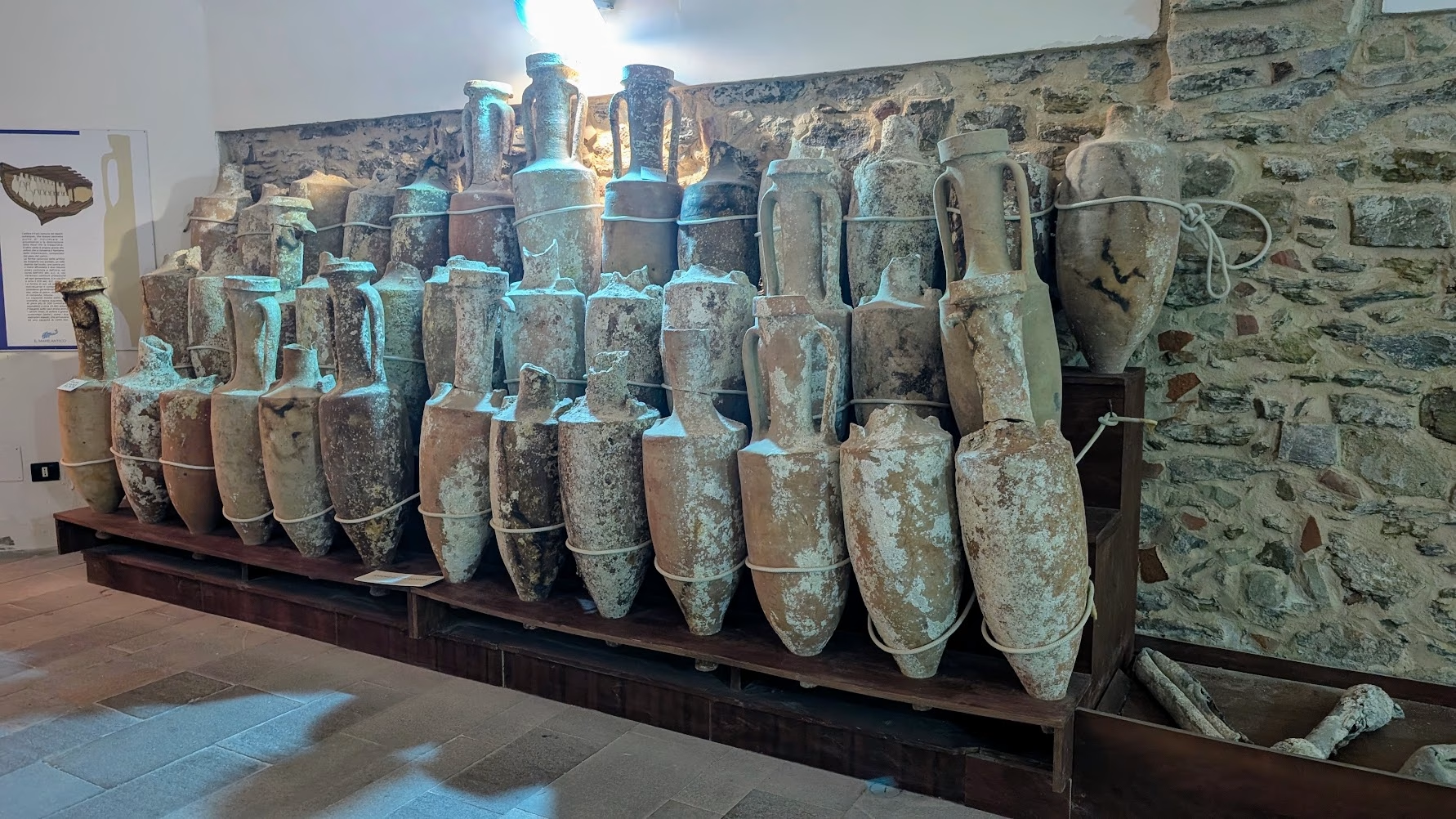
Castellabate’s history at a glance
The illustrated panel inside the castle traces the story from the first coastal settlements to the growth of the hilltop village.
- 5th century BC
The panel records the arrival of Greek settlers from Sybaris at Tresino. - 1st century BC
A Graeco-Roman port developed at what is now San Marco di Castellabate. - Around AD 1000
Basilian monks arrived. The panel credits their communities with helping the area develop socially and economically. - Around 1064
Costabile Gentilcore, the future Benedictine abbot of Cava, was born at Tresino. - Early 12th century
As the local economy prospered, coastal raids threatened the population. Abbot Costabile obtained permission from Duke William to build a fortified refuge. - 10 October 1123
The panel dates the start of construction of Castello dell’Abate to this day. - From the 12th century
The village grew around the abbot’s castle, which gave Castellabate its name.
Riforma fondiaria: how the abbey put land to work
The display that held my attention was the one on land reform. In the twelfth century, the Benedictine abbots of Cava could give cultivators the use of a plot rent-free while they improved it. As the display explains, that initial period could last ten to twenty years, depending on the quality of the land and the cultivator’s needs, and could even run for the rest of the holder’s life. In return, the cultivator was expected to work the land each year and improve its yield. While the holding was being brought into production, the cultivator kept the entire harvest. Once it reached its normal yield, a share went to the landowner. The display gives a tenth of the grain as one example.
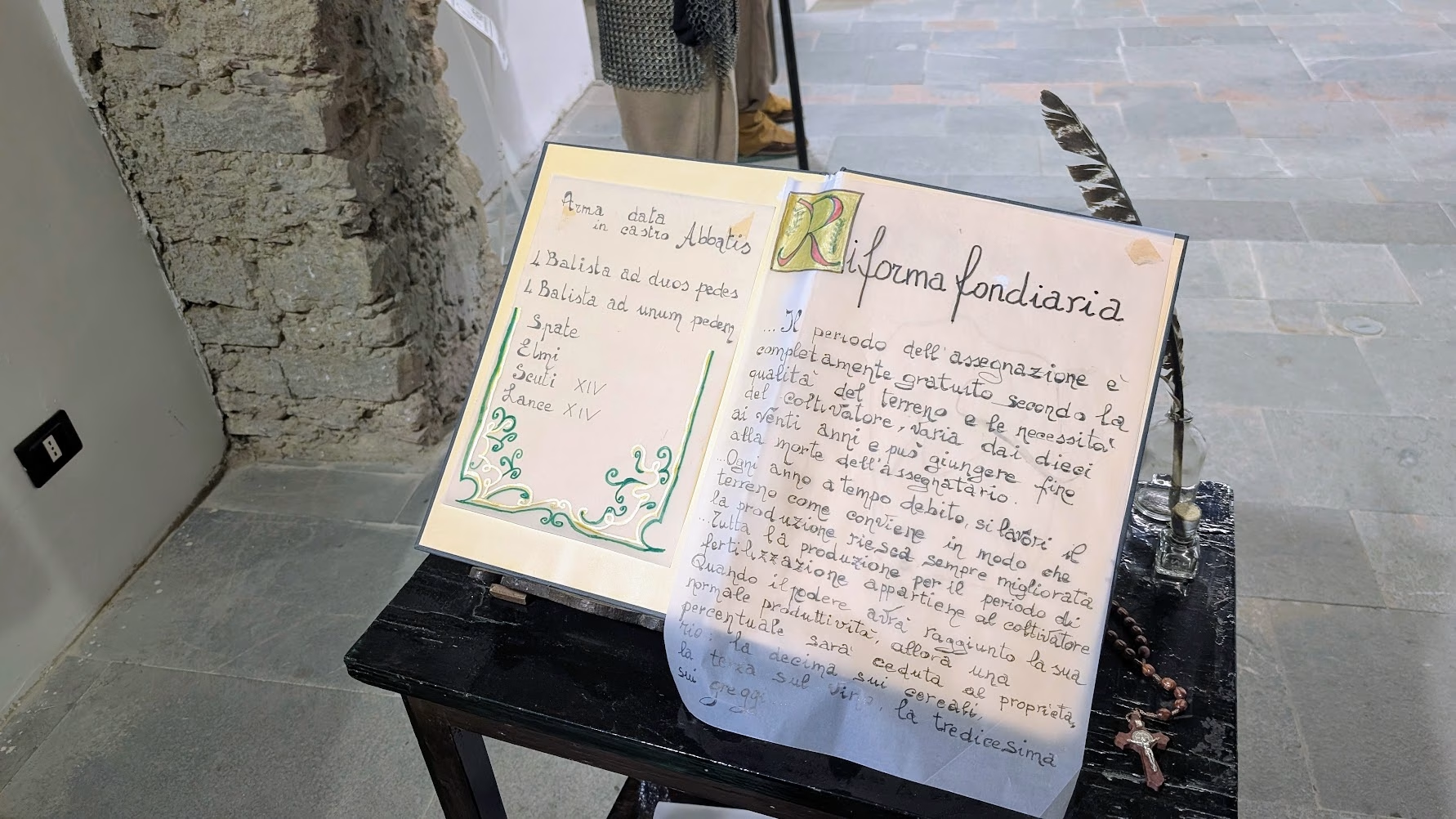
The amphorae show how much earlier communities here depended on the sea. The land reform explains a later chapter in the same landscape. By giving families time to bring their plots into production, the abbey made it possible for them to put down roots. The castle offered refuge, and a village grew around it. The link between the hill, the fields and the shore is still visible today.
From the castle lanes to the belvedere
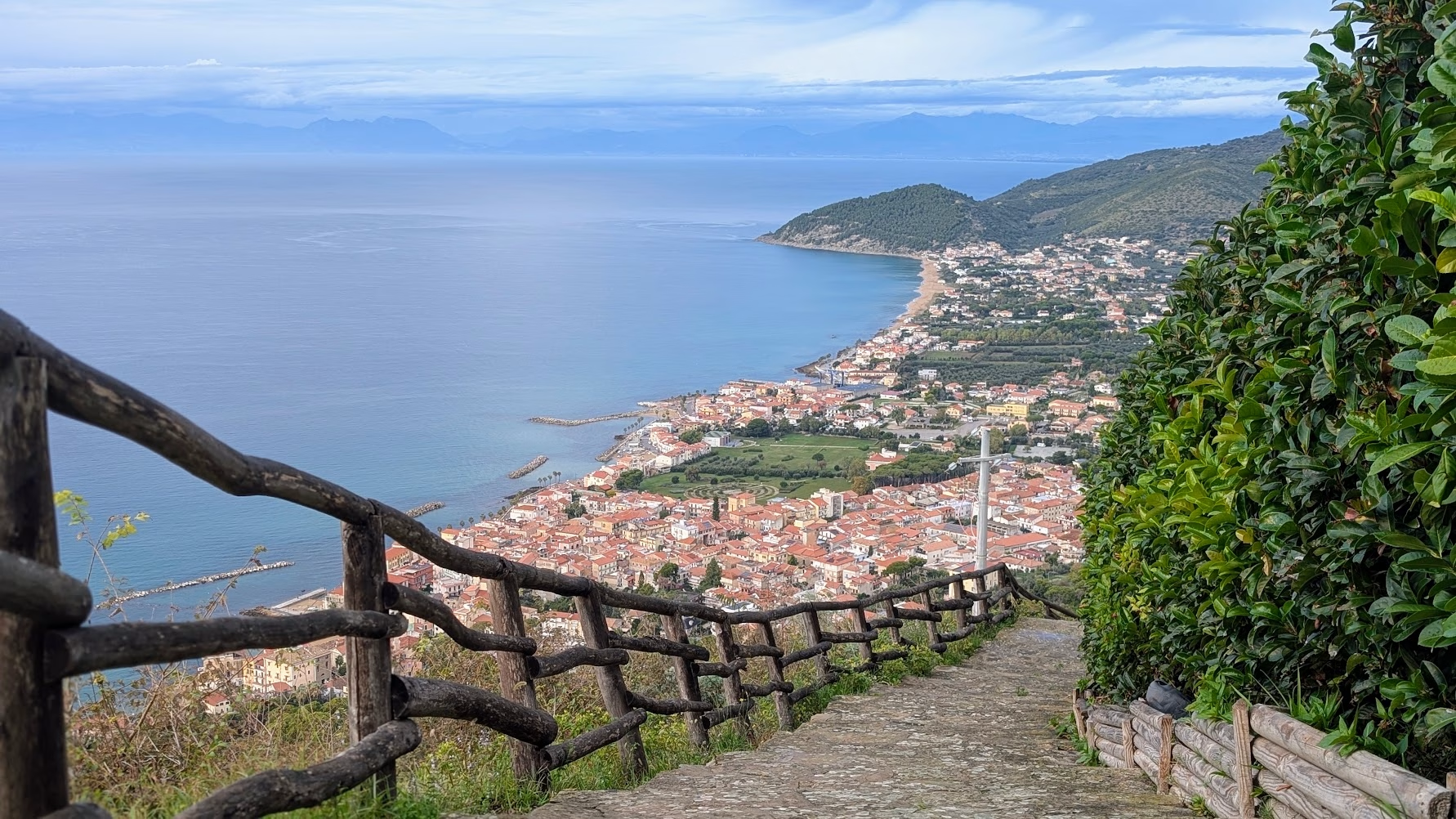
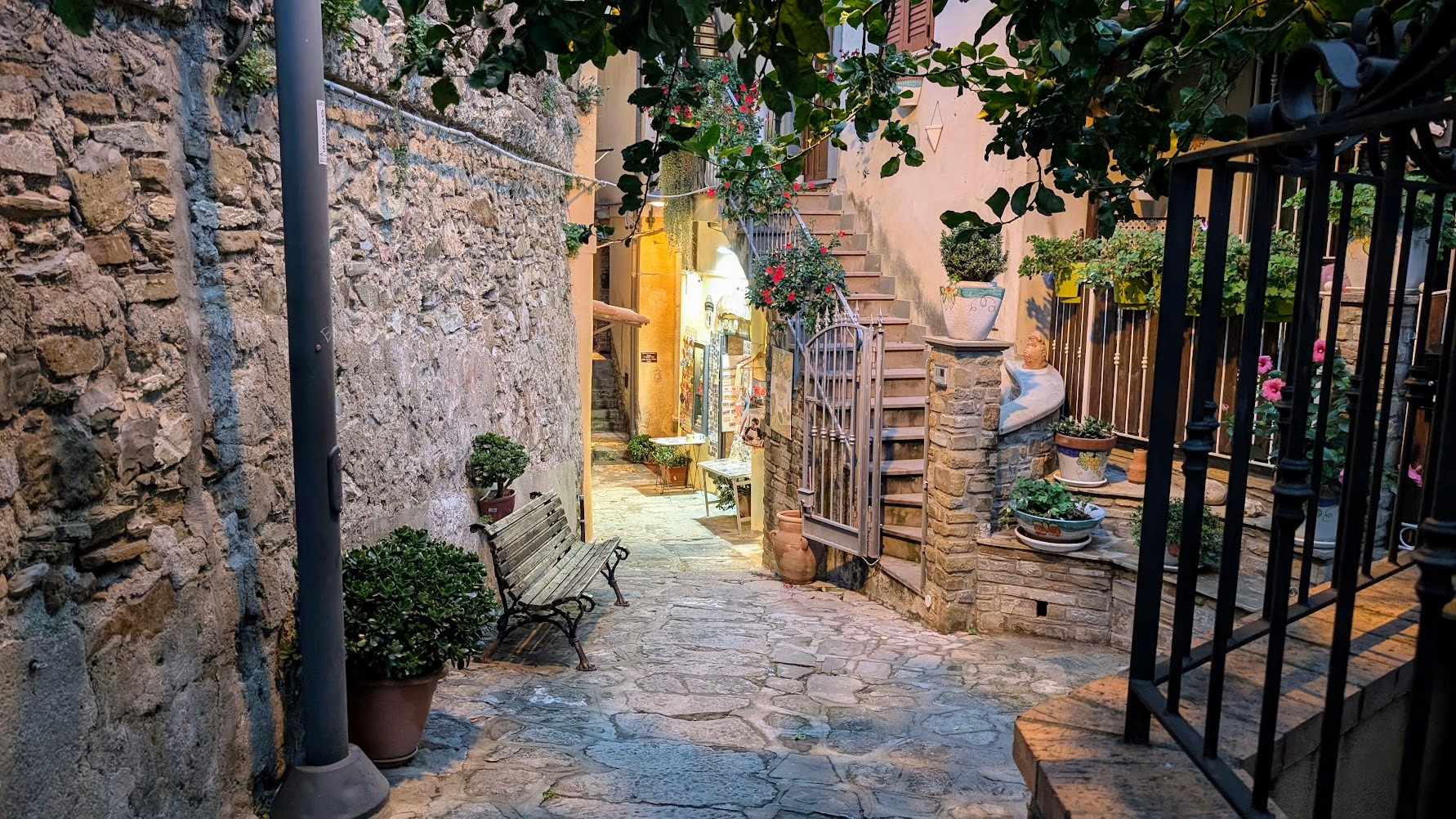
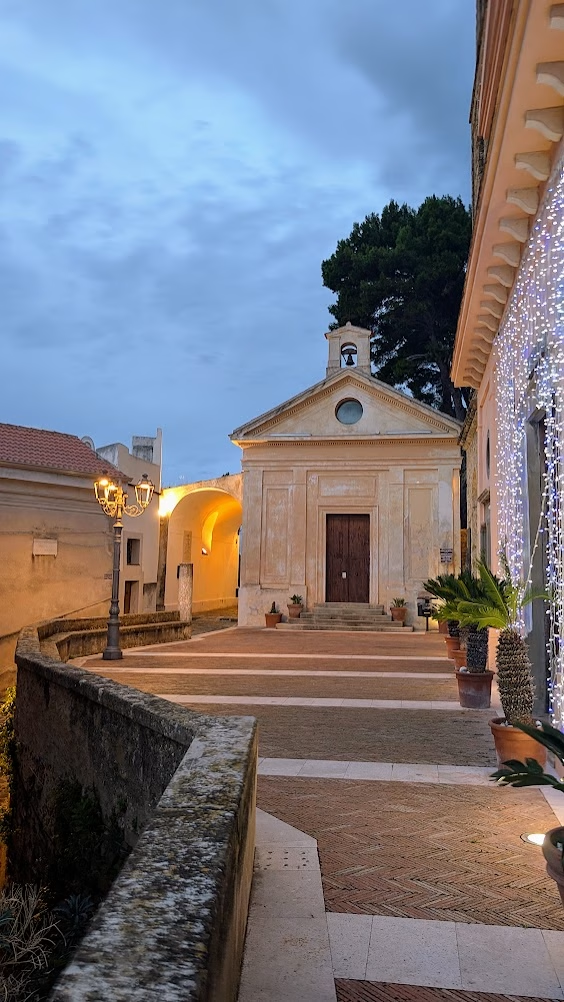
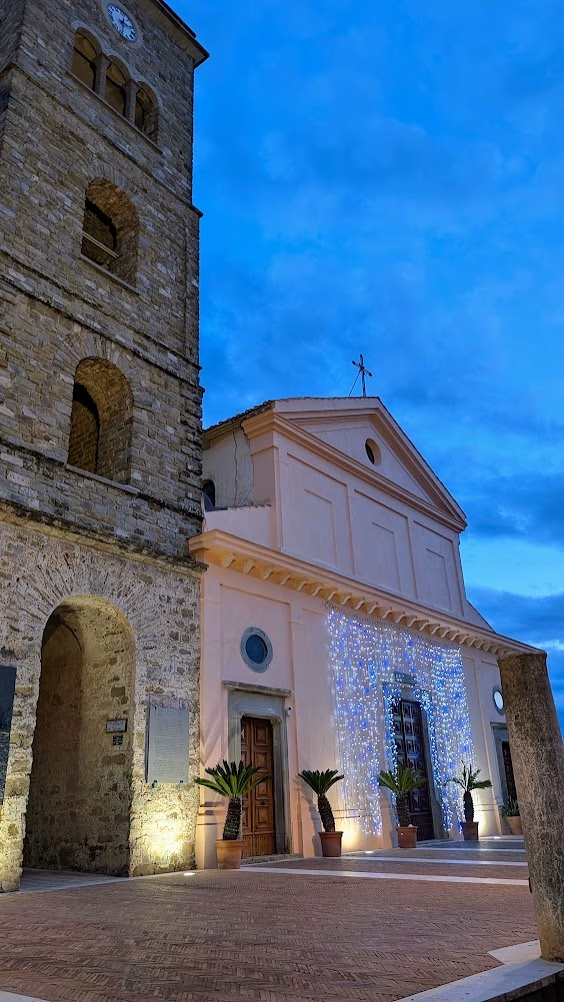
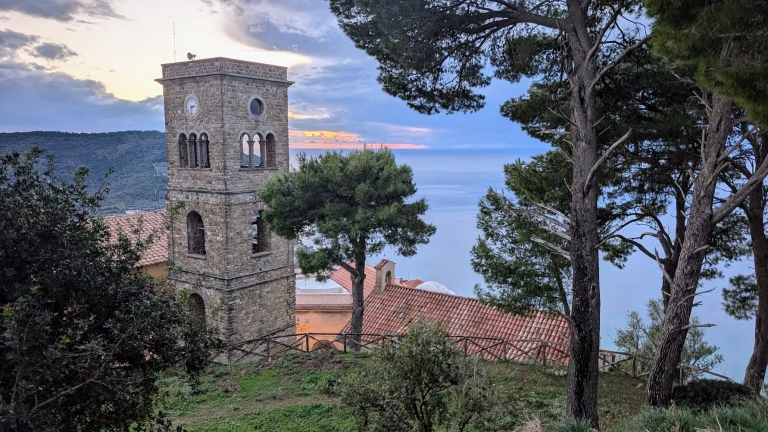
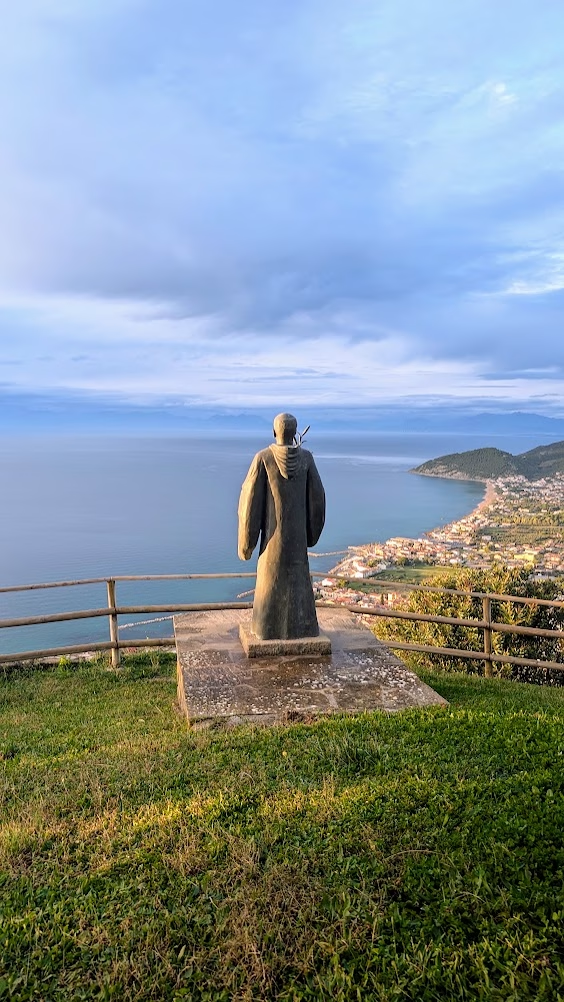
Outside the castle, I followed the narrow lanes past stone doorways and steps. Give yourself time to wander around the basilica and stop at the belvedere. Looking down over the fields towards the sea, I could see in one view the places the exhibition had helped me connect.
Beach days and a slower pace
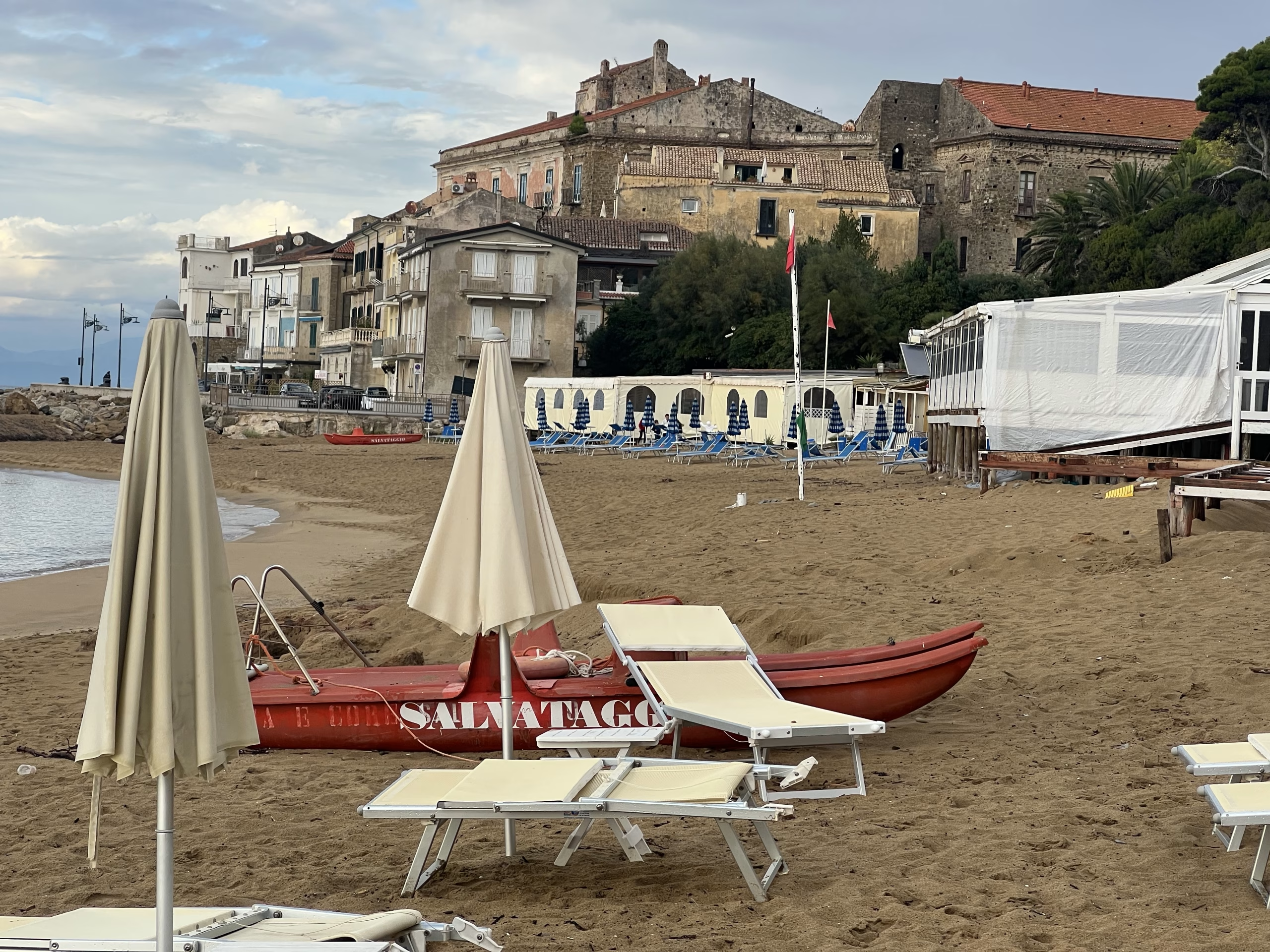
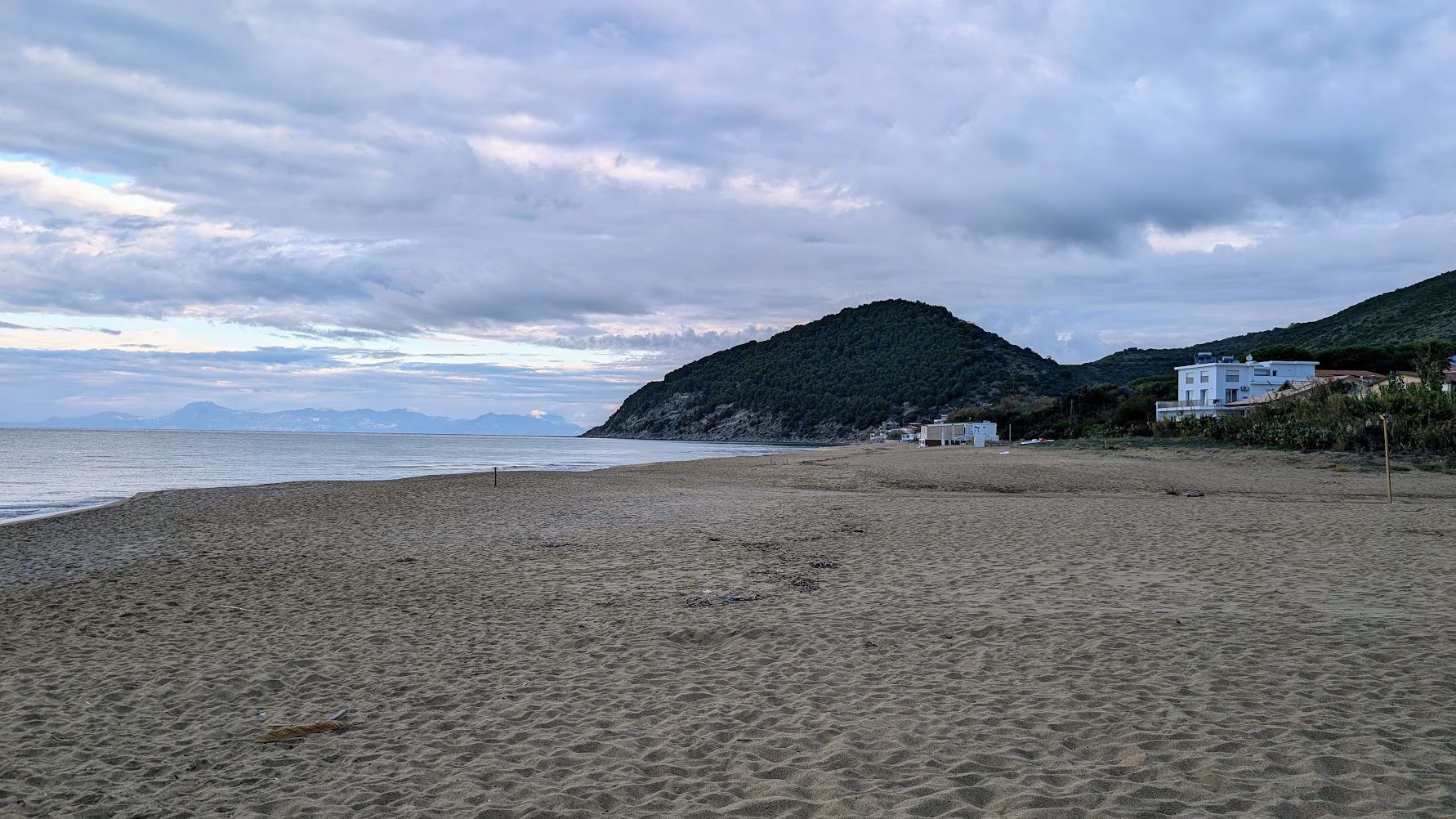
August is when the beaches are busiest. Outside the August peak, I’d choose Castellabate for a slower holiday. Leave a morning free for the shore, spend an afternoon in the old village and give your outings a day of their own.
That rhythm is one of the pleasures of the Cilento. Spend a morning at the temples of Paestum or in Agropoli’s old town. Leave time for lunch by the harbour in Acciaroli, a wander through Pisciotta or a day on the coast around Palinuro. I’d pick a few and leave the rest for another visit.
Velia and an olive-oil tasting
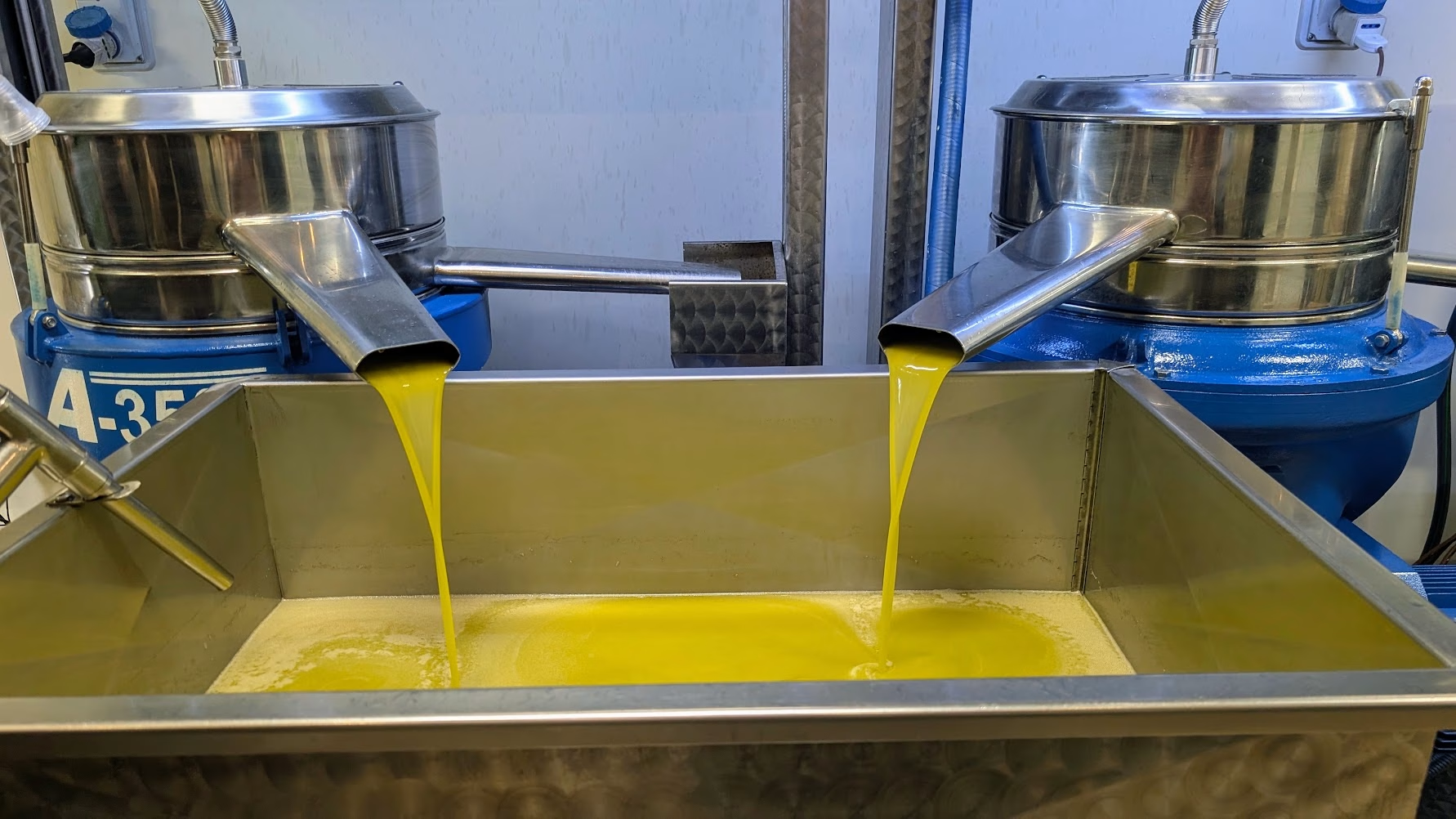
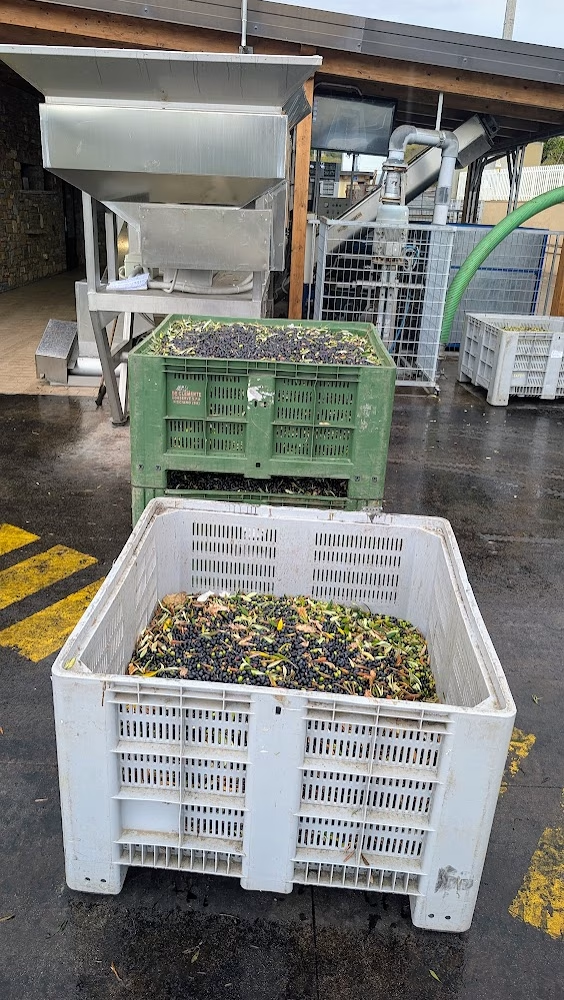
Two stops I made south of Castellabate were Velia and Frantoio Oleario Pietrabianca in Casal Velino. I’d give the archaeological site time of its own and arrange the olive-oil tasting separately with the producer. The tasting brought me back to the cultivated landscape I’d looked down on from the castle.
Getting to Castellabate and around the Cilento
Allow around two hours by road from Naples Capodichino Airport and around an hour from Salerno Costa d’Amalfi Airport, depending on traffic. If you arrive by train, allow just under half an hour by private transfer from Agropoli-Castellabate station to Santa Maria.
A car is close to essential if you want to explore the wider Cilento independently. For a beach stay, a station transfer and a few planned outings can work well. Busitalia Campania, part of the FS Italiane group, serves Santa Maria and San Marco on route 34. Route 92 also serves the hilltop village, but the timetable shown for that connection is geared to school days. Check the stops and return services for your dates before relying on the bus, or book a taxi for the trip uphill.
For a stay here, I’d plan a few days out and leave room for the beach and a late afternoon in the old village. That balance is what makes Castellabate work for me.



 Facebook
 WhatsApp channel