


Pisciotta, a Hill Village Above the Cilento Coast
Explore Pisciotta’s medieval lanes, olive groves and fishing harbour, with practical advice on staying in the village and arriving by train.
In this article
Two nights above the sea
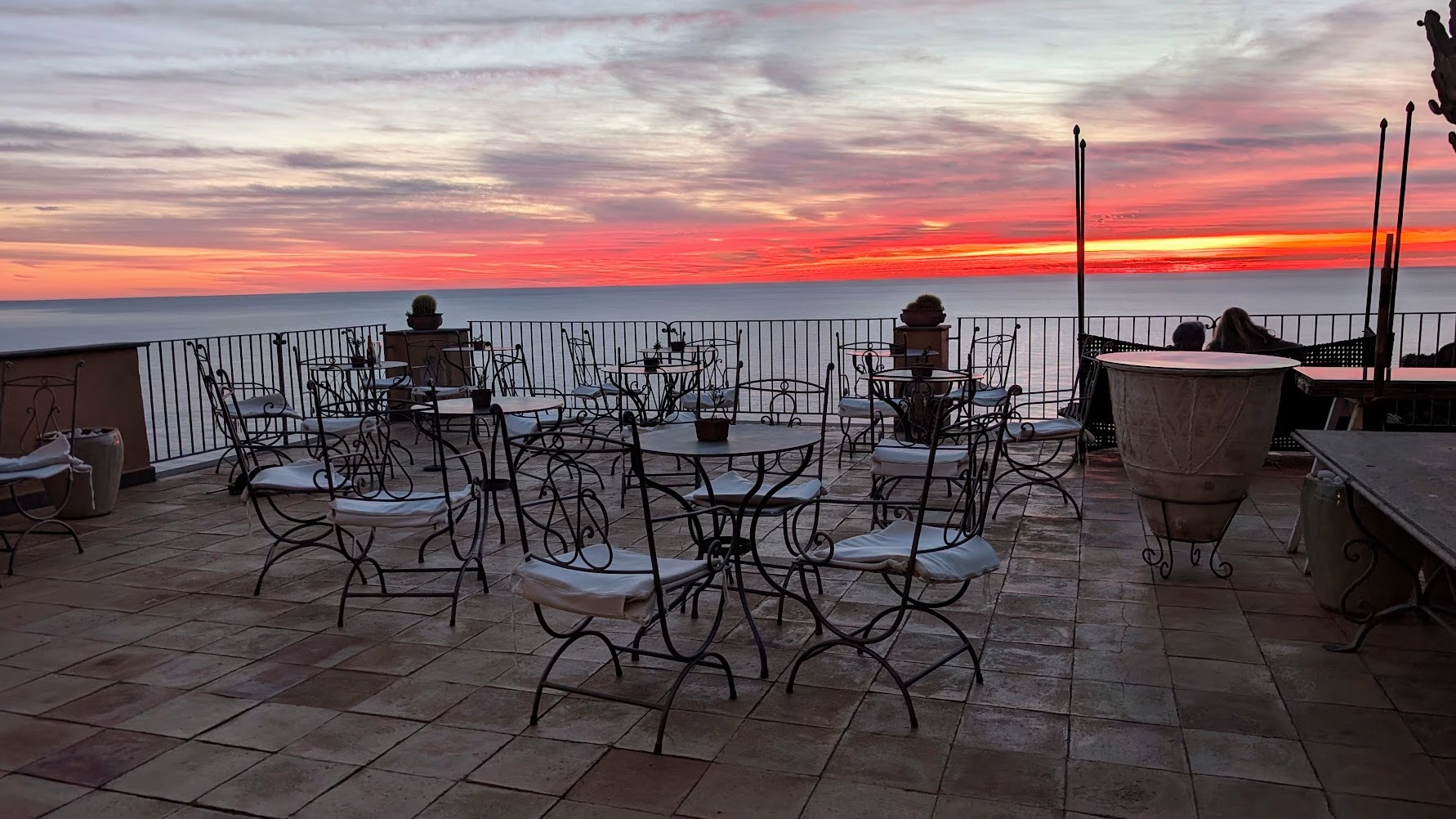
I arrived in Pisciotta by train from Reggio Calabria at the end of October. For two nights I stayed at Hotel Marulivo, in the old village above the coast. From the terrace I could watch the light change over the sea and the olive-covered slopes. The following day I hired an e-bike and rode along the coast, but the time I spent in the village gave the stay its character.
Pisciotta suits travellers who like to step out for a walk through old streets and have somewhere quiet to come back to. I’d allow a morning or an afternoon for the village itself, then make separate time for the marina or a day along the coast.
The medieval village and its palaces
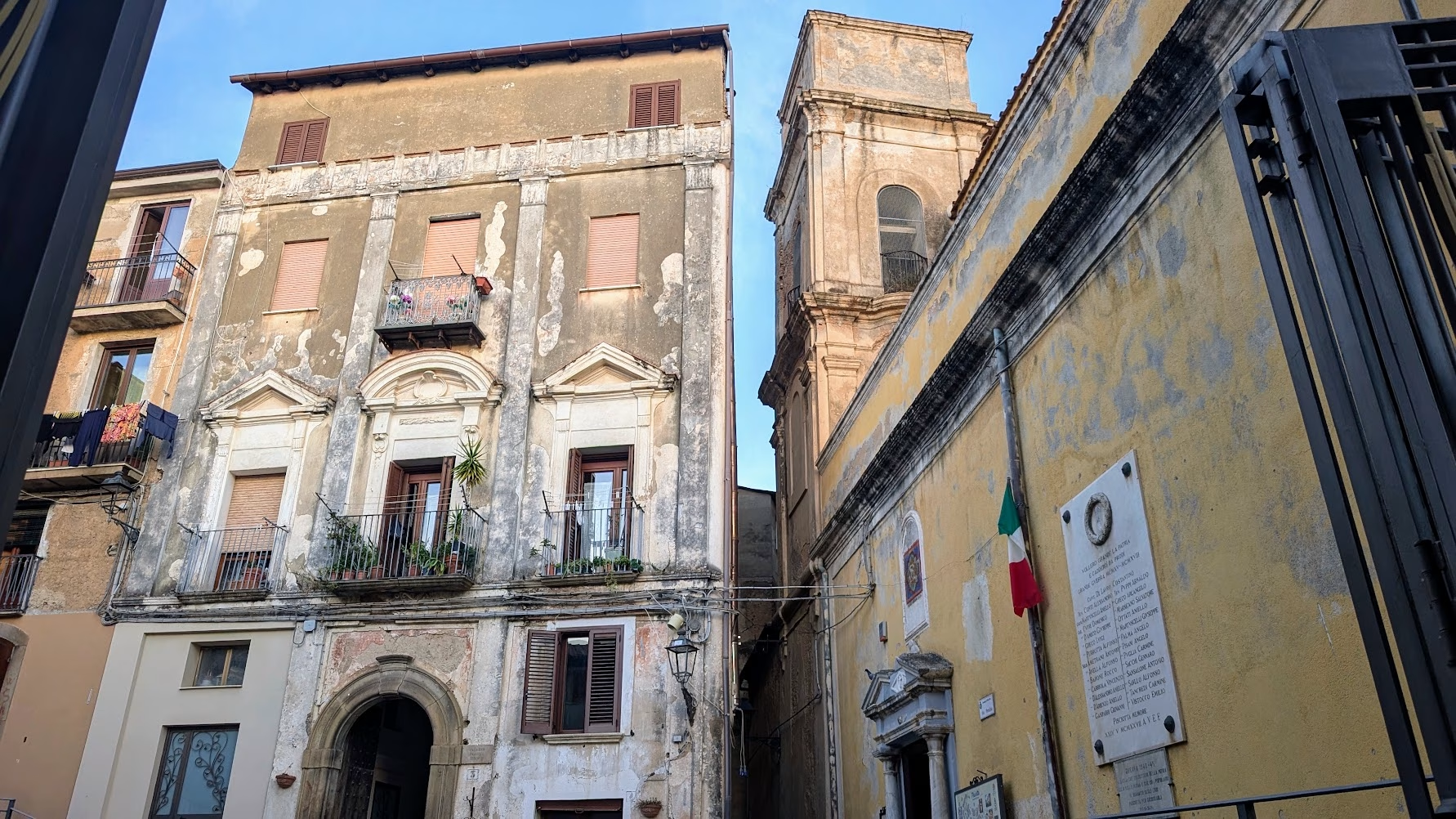
Pisciotta’s hilltop position makes sense once you see how steeply the ground falls away on either side. The earliest secure written reference identified by the State Archive of Salerno comes from the twelfth-century Catalogus Baronum, a record of Norman feudal holdings. The archive describes efforts to strengthen the village after raiders destroyed nearby Molpa in 1464. Later, when Pisciotta, Palinuro and Molpa were held together, a tower was built to protect against incursions. The story of the village is tied to the coast it overlooks.
Look up towards the Palazzo Marchesale Pappacoda, built on the remains of the older castle. Its scale makes the former seat of local power easy to pick out from the smaller stone houses around it. The historic buildings include other family palaces, among them the Francia and Lancellotti properties. Further down the old centre stands the parish church of Saints Peter and Paul, a sixteenth-century landmark. Walking between the church and the upper lanes gives a good sense of how much of the medieval street pattern survives.
State Archive of Salerno historical notes · Italian cultural heritage catalogue
Down through the olives to Marina di Pisciotta
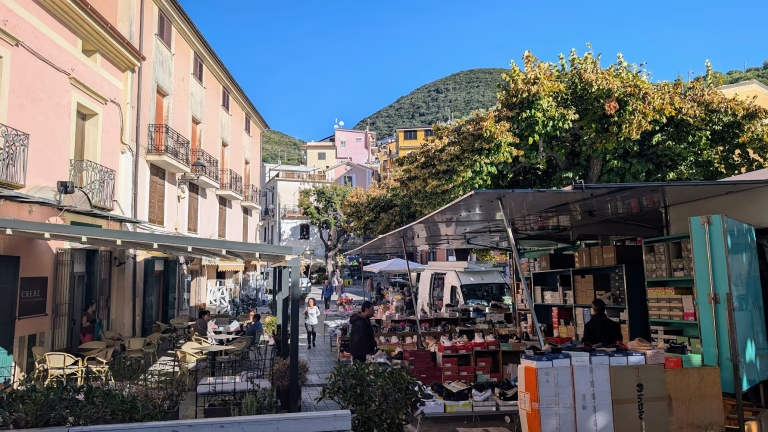
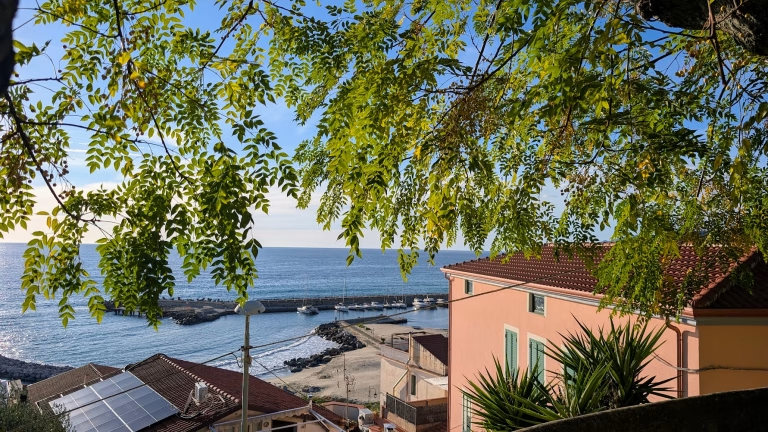
From the eastern side of the village, the paved route known as La Chiusa leads down to Marina di Pisciotta. The descent explains the geography better than any map. The hill village occupies a narrow ridge, olive trees cover the slopes and the small harbour sits where the valleys reach the sea. Allow time for the uphill return if you take the same route back.
The harbour has its own story. In the village, olive oil was an important part of the local economy, and the port connected Pisciotta to coastal trade. The marina is also associated with alici di menaica, anchovies caught using a traditional net. The harbour and the groves make a natural pairing for a walk, with time to stop by the sea before heading back up.
How to fit Pisciotta into a holiday
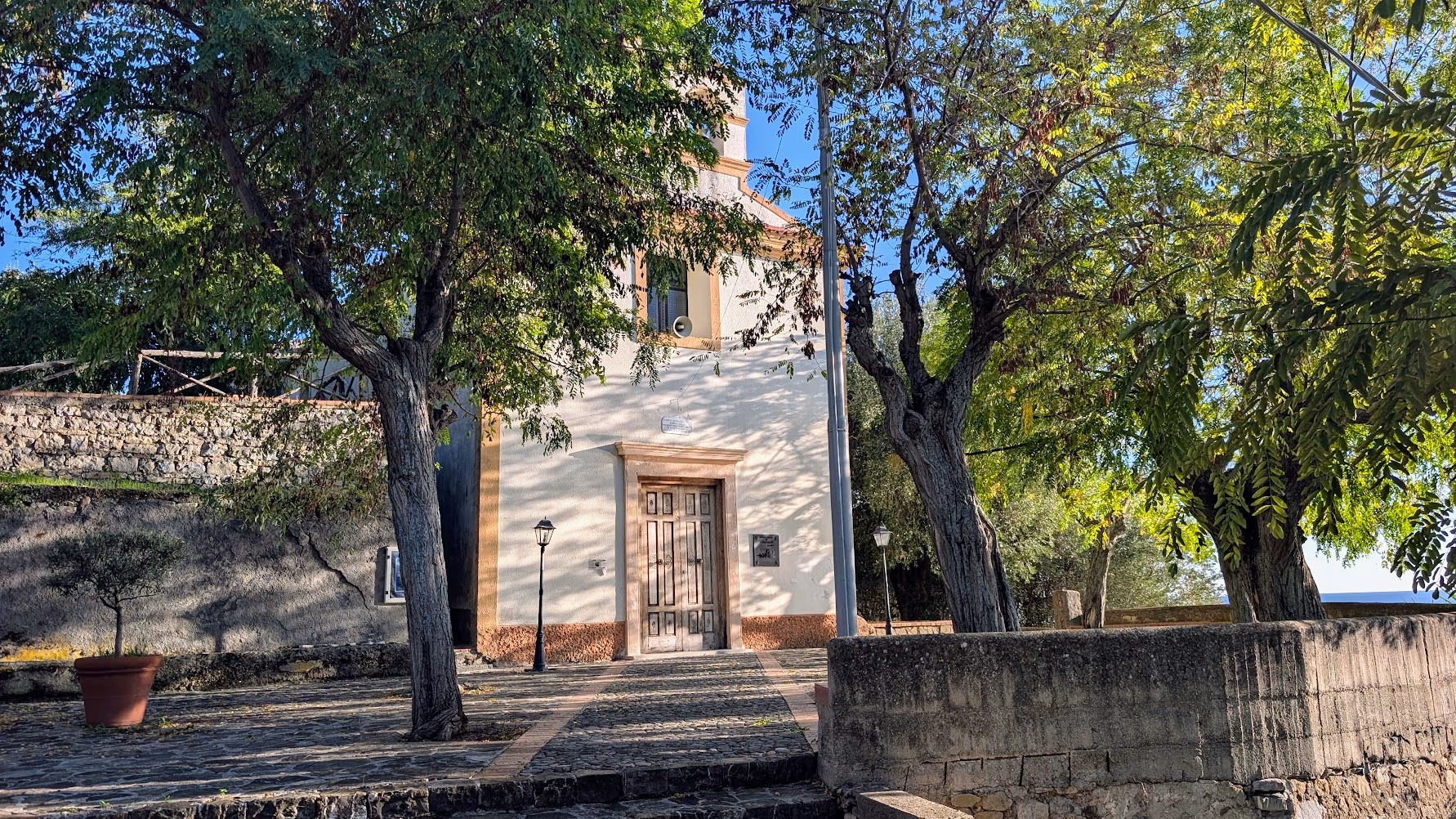
Pisciotta-Palinuro railway station, Marina di Pisciotta and the old hill village are three separate places. If you arrive by train with luggage, arrange the onward transfer to your accommodation. Once you’re in the village, its lanes and restaurants are best explored on foot. For a longer coastal outing, my Pisciotta e-bike guide covers the ride through Camerota and Palinuro on 27 October.
Read my autumn journey through Campania for ideas on combining Pisciotta with Caserta and the rest of the Cilento.
Read my autumn journey through Campania for the train journey north from Reggio Calabria and ideas for combining Pisciotta with Caserta and the rest of the Cilento.
My two nights gave me time for the old village and a full day on the bike. I’d add another night for a slower stay, or pair Pisciotta with a different Cilento base for wider touring. The Cilento towns and villages guide helps you compare the options. To stay in the old village, see Hotel Marulivo.



 Facebook
 WhatsApp channel