


EXCELLENT Based on 77 reviews
 Posted on Google
 Catherine Day16 July 2026We’re recently home after a wonderful holiday in Puglia arranged with Antonio. Great pace, a range of always excellent accommodation and an interesting suggested itinerary. We would highly recommend Expert to Italy and look forward to planning our next getaway with Antonio.Posted on Google
 Mike Girling (No nickname)16 June 2026Just back from another delightful holiday organised from start to finish by the Italian "Expert" Antonio. After several discussions with him we decided to have an eleven day trip to the Amalfi coast and Ischia and thanks to his intimate knowledge of the area we had a most enjoyable and memorable time. Ischia in particular was absolutely wonderful. Antonios advice on the boutique hotels, guided tours, and places to visit were exemplary as were the drivers he booked to ferry us around. In addition to all the knowledge and advice he provides, this time, we encountered a couple of problems of our own making, but a quick WhatsApp to Antonio and within 24 hours both problems were solved. So if you are looking for an independent holiday in Italy along with great support we have no hesitation in recommending Antonio Mike & DianePosted on Google
 Daniel Hockman9 June 2026ExpertoItaly is a brilliant company, and Antonio organised a wonderful holiday for us in Puglia a region we did not know. His suggestions were all fantastic. He listens to what you want to do and works your holiday around that. I wouldn’t hesitate to recommend him to anyone contemplating a holiday in Italy. Thank you so much, Antonio!Posted on Google
 Elaine Yeoh6 June 2026We engaged Antonio Cresce to plan and manage our 3 week holiday in Italy - covering towns in the regions of Puglia, Basilicata ,Calabria and Campania. Our holiday was seamless and exceeded all our expectations, and I would highly recommend Antonio / Expert to Italy for all your holiday planning and needs. From the point of choosing destinations, Antonio was collaborative and listened to everything on our wishlist . The towns he chose for us were exactly the places that we loved .. off the beaten track, charming and authentic Italy ! He picked our accomodation and again there was a lot of collaboration over our needs and we loved the choices . The tours he organised were exceptional. I wanted to see wildflowers and orchids and he engaged experts to take me around the national parks . I would never have been able to source the contacts and organise the excursions as perfectly as it was done . Some of the best moments of our travels , ever! Transfers were professional and seamless. Antonio remained fully contactable throughout our trip for questions , help and any details we needed. We felt fully secure and confident that we had an agent travelling along with us at every step! It was a huge benefit as well having him in the rough time zones as Italy where he is based in the UK, so that any questions were promptly answered and sorted . This could have been more problematic if we had engaged someone from home in Australia with the big difference in time zones . We appreciated his travel advice and recommendations, his work ethics , his professionalism and how he went over and beyond to make our holiday truly exceptional!Posted on Google
 Judith Warren29 April 2026Antonio is super helpful and efficient and he knows Italy. He arranged our three centre Italian holiday, booked all train tickets, taxis and hotels and suggested places we wouldn't have thought of. You can have an independent holiday without problems, even in a less touristy area, because he's organised everyone for you and he's a back up if anything goes wrong. Thanks Antonio, be in touch next time!Posted on Google
 Anne Fenton22 September 2025Antonio was a delight to deal with. He was knowledgable, friendly and very patient when we changed our plans several times! His choices of hotels were exceptionally good and he was very responsive when we had a little hiccup with the car rental. Highly recommend his services.Posted on Google
 Teresa Oliveira25 August 2025We used ExpertoItaly to help us with our two-week holiday in Sicily. We had a couple of interactions with Antonio, and were very fast to close on our itinerary and hotels. Everyting was very well organized and suitable to our requirements. Antonio chose very good accommodations: small beautiful, full of character and well located. He also booked our bus trips as we did not want to rent a car. That worked really well. It was a great help and gave us great confidence for our trip. We strongly recommend ExpertoItaly if you want customised holidays in Italy. We will use it again for future traveling in Italy!Posted on Google
 IzzieD21 August 2025Antonio is an expert on Italy so if you are planning a trip then you should definitely use ExpertoItaly. He helped us plan the perfect family trip and we cannot fault any of his recommendations. From car hire, to the perfect hotels and apartments, he is highly knowledgeable and it doesn't stop with planning. He was on hand to be available if we needed his help while on the trip. His customer service is first class. Thank you so so much and we look forward to planning our next trip with you.Posted on Google
 David Wise12 August 2025Antonio was really helpful in planning our trip to Italy. We wanted to visit 3 locations, he provided recommendations on accomodations which were great - really good locations for each booking. He also coordinated taxis and trains and provided a load of suggestions for each location for places to eat and sites to visit. He was readily available to answer any questions we had by email or WhatsApp. His assistance really helped us in planning this trip and saved us a lot of stress in trying to coordinate this ourselves. All in all we had a great holidayPosted on Google
 Simon Tanner8 July 2025Antonio organised a wonderful two-centre trip for us. He listened to our requirements and designed an itinerary that fulfilled our needs perfectly. All the arrangements (hotels, transfers, bike hire, train tickets etc.) went smoothly and Antonio was available before and during the holiday to answer any queries. He is helpful and charming. The pricing was very competitive and the holiday good value for money. I would recommend ExpertoItaly to anyone looking for knowledgeable, excellent customer service and look forward to using Antonio’s services again in the future.
Begin with the temples
At Paestum, the temples stand high above the lower remains of streets and buildings. Beyond them lie fields, pine woodland and the sea. That relationship between ancient city and coastal plain is the starting point for a visit.
Give the archaeological park and museum the main part of your day. There is plenty to explore between the temples, and the museum helps explain the city’s history before you continue to the beach or a local dairy.
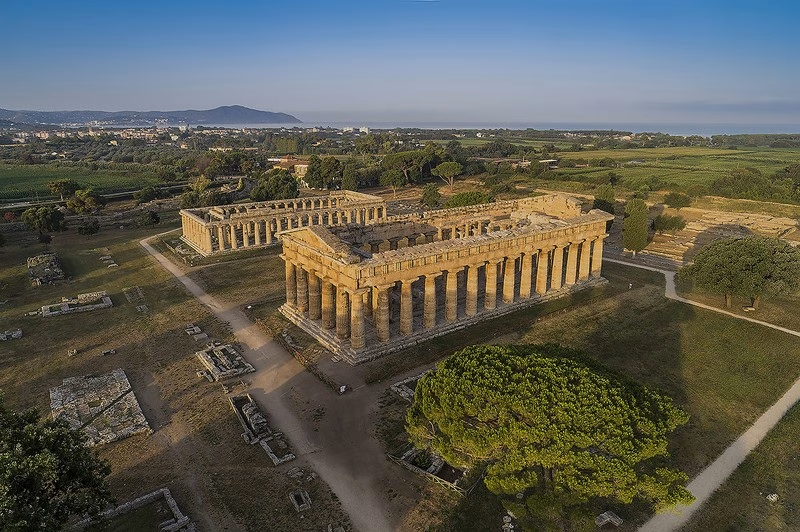
The site preserves the changing city of Greek Poseidonia and later Lucanian and Roman Paestum. Its three large Doric temples belong to separate sacred areas. The southern sanctuary contains the older Temple of Hera, commonly called the Basilica, and the so-called Temple of Neptune. Athena’s temple stands in the northern sanctuary.
The names need a little care. “Basilica” came from an early misidentification of a temple as a civic building. “Neptune” is also a conventional name: the deity to whom that temple was dedicated is uncertain. The archaeological park’s account explains the evidence.
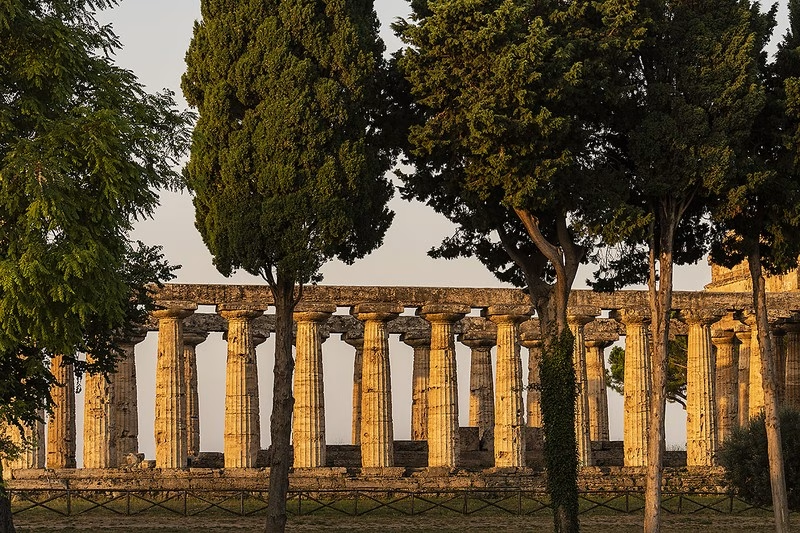
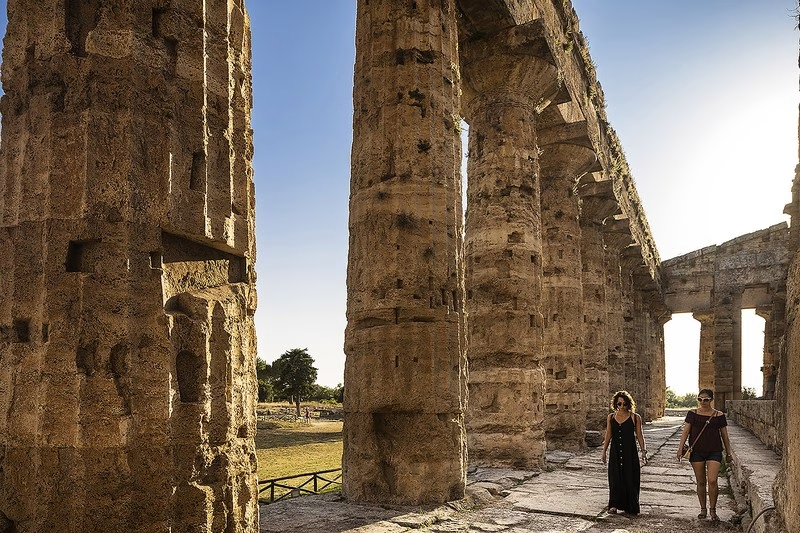
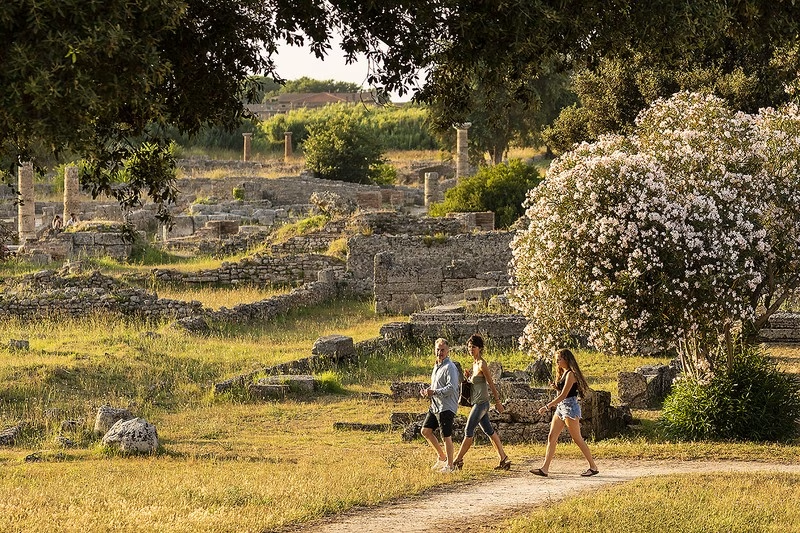
Look at the spaces between the monuments as well. The low walls and paths help turn three impressive buildings into the remains of a city. From ground level, the contrast between these modest traces and the standing colonnades is particularly strong.
The museum and the Tomb of the Diver
The museum brings together finds from the ancient city and its surrounding burial grounds. Its best-known work is the Tomb of the Diver, whose painted cover slab shows a figure diving towards water.
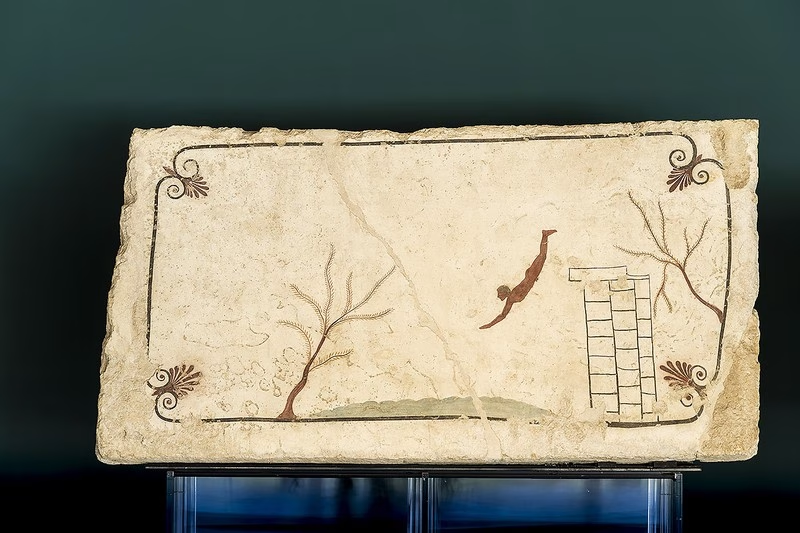
Allow time for the broader collection as well as the Tomb of the Diver. Objects and painted tombs help connect the buildings outside with the people who lived here.
Check the official Paestum and Velia website for current entry arrangements, open areas and museum hours. Outdoor and museum last-admission times can differ. Wear comfortable shoes and plan for exposed ground in warm weather.
The plain, pine belt and beach
Paestum’s coast is flatter than the steeper shores farther south. A long sandy beach runs beside pine woodland, with settlement and farmland behind. Allow for the journey between the archaeological site and the shore.
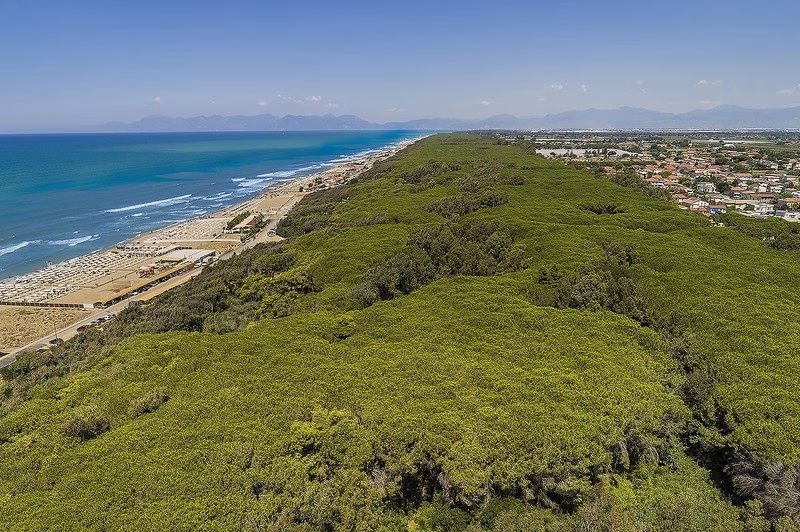
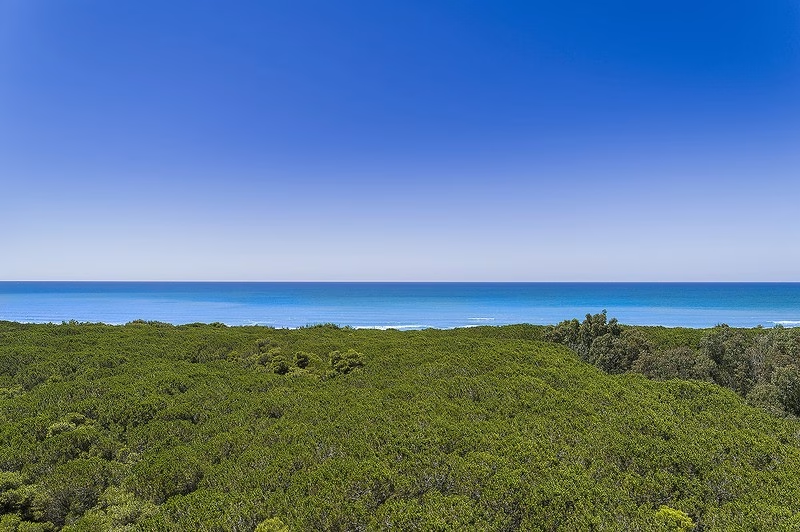
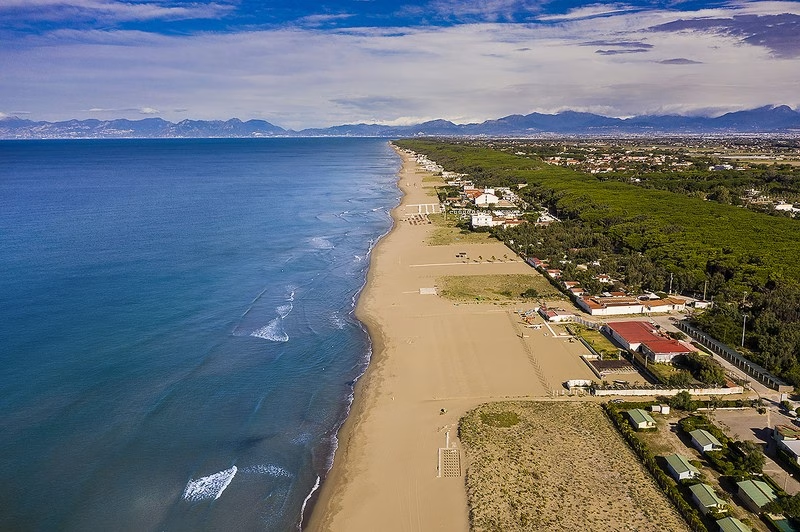
Beach clubs with umbrellas, cabins and cabanas share this coastline with open stretches of sand. Check access and seasonal services at the beach you plan to visit.
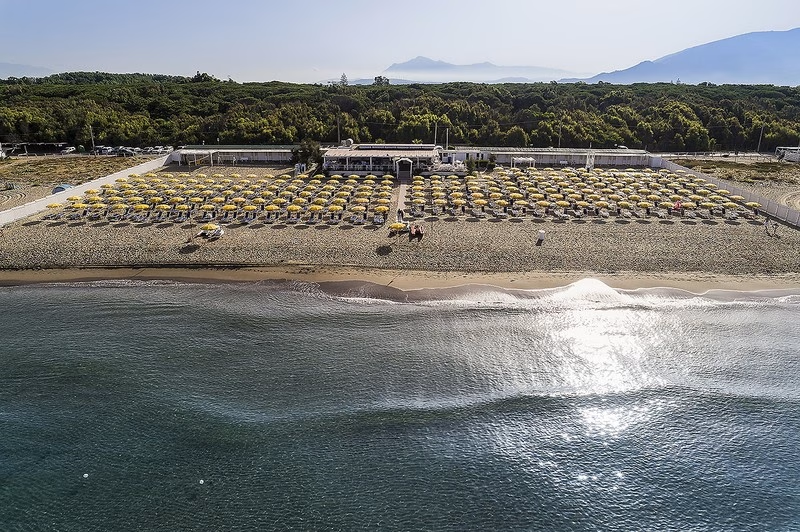
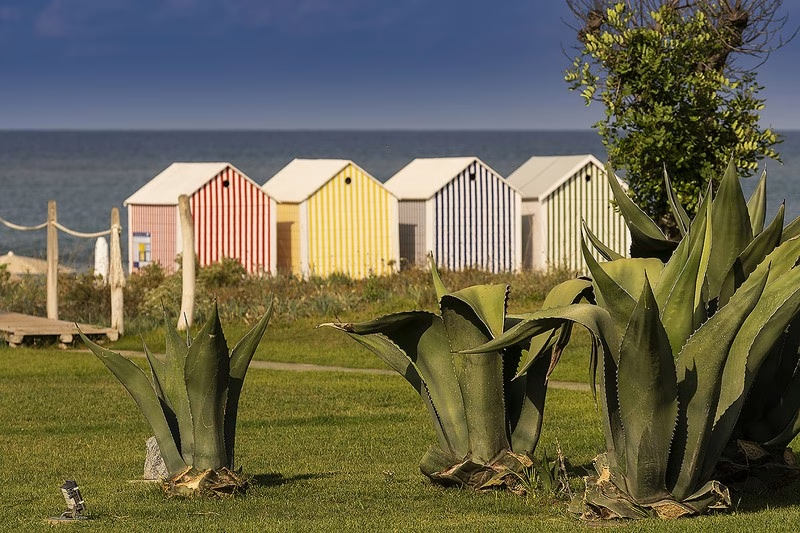
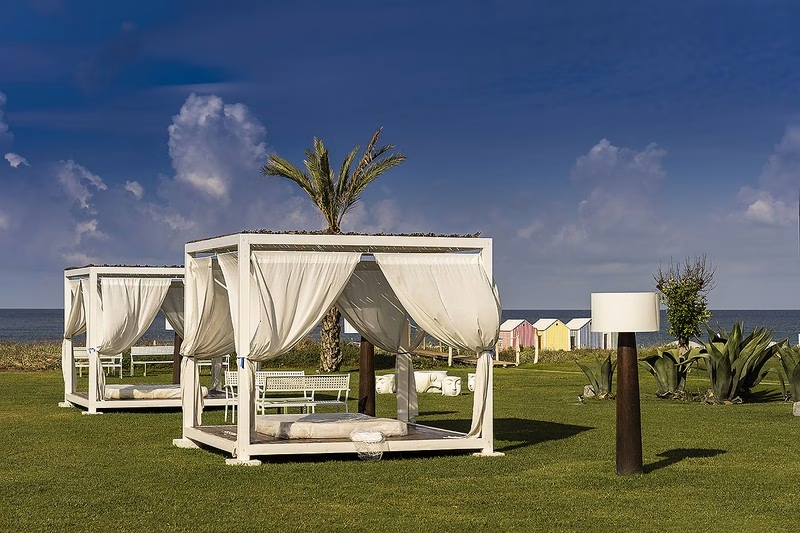
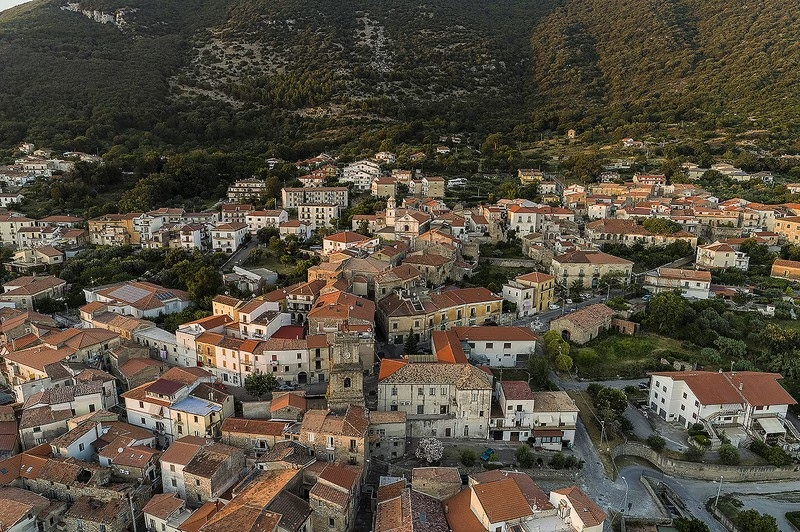
Capaccio’s historic centre occupies higher ground inland. Its tiled roofs and clustered streets offer another view of the area’s settlement pattern. It is a separate stop requiring onward travel from the archaeological site.
Buffalo mozzarella and the working countryside
The surrounding plain supports buffalo farming and mozzarella production. Tenuta Vannulo is one place where the agricultural and food sides of a visit can be considered together: the estate lists a dairy, tasting space, yoghurteria and museum of rural life.
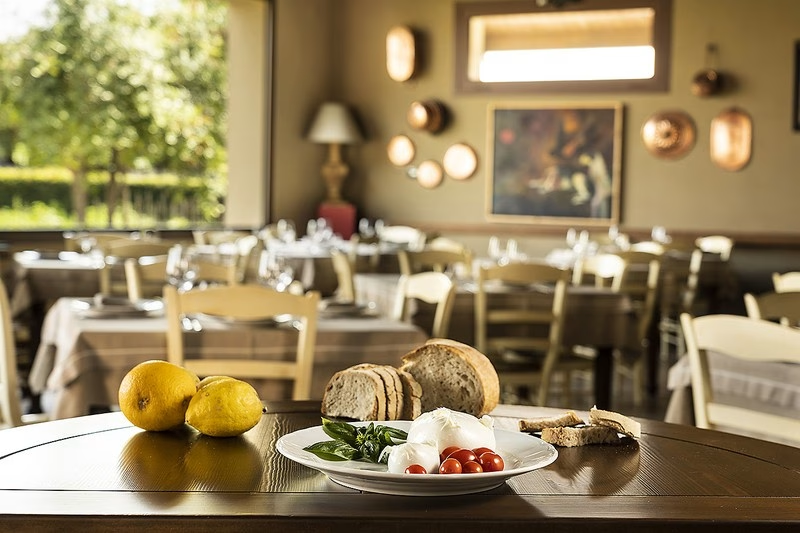
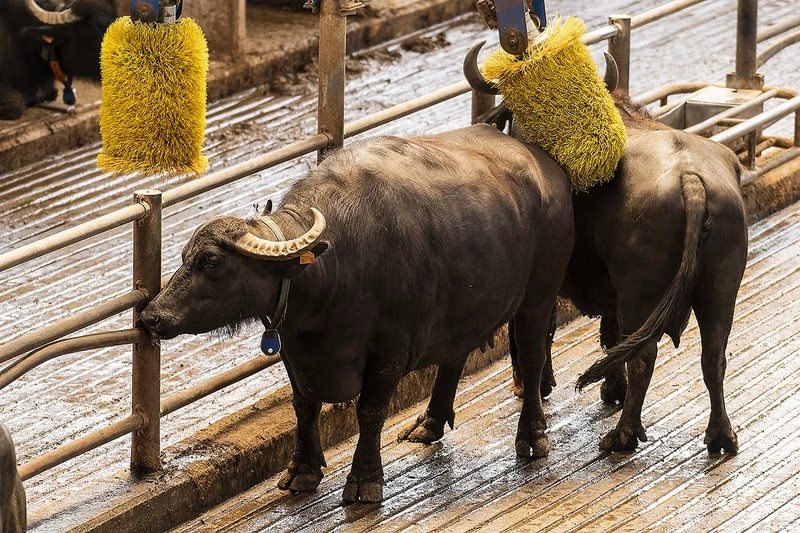
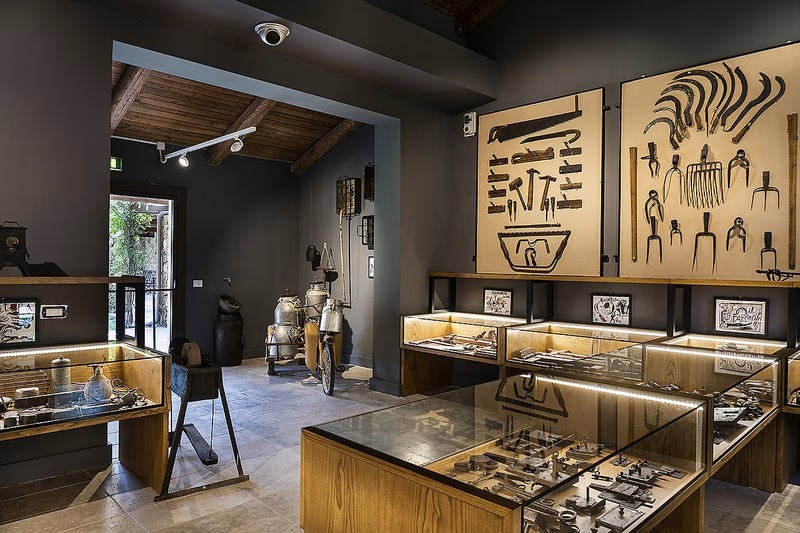
For a tour or tasting, contact Tenuta Vannulo in advance and confirm what is included. The farm also recommends reserving mozzarella.
Wine farther along the coast
Azienda Agricola San Giovanni lies farther south at Punta Tresino, in Castellabate. Its vineyards face the sea, and a visit can be planned as part of an outing along this stretch of coast. See the estate’s website for details.
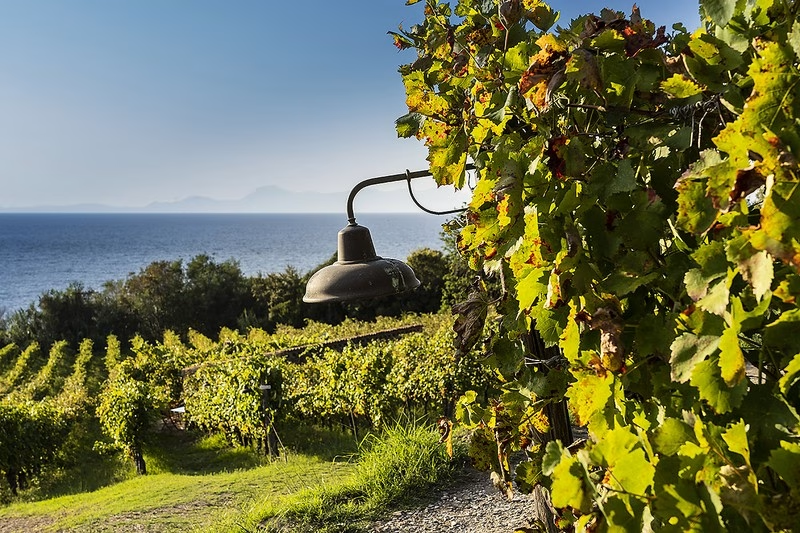
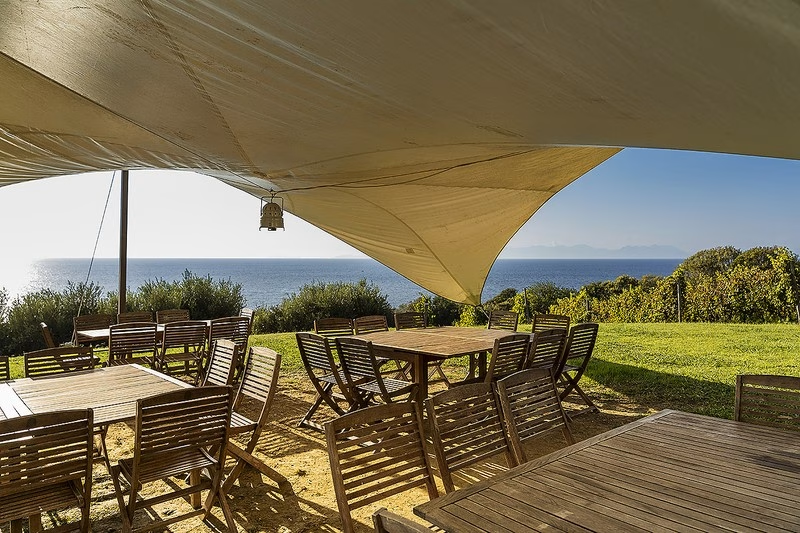
Confirm the access route and tasting arrangements with the estate before travelling.
Paestum’s annual balloon festival
Paestum hosts the annual Festival Internazionale delle Mongolfiere. The images here show a past edition, with preparations on the ground and a balloon above the archaeological site.
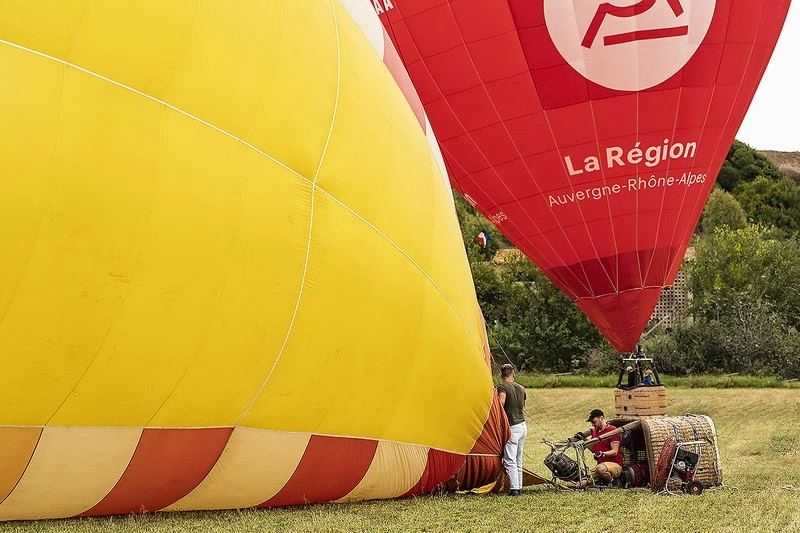
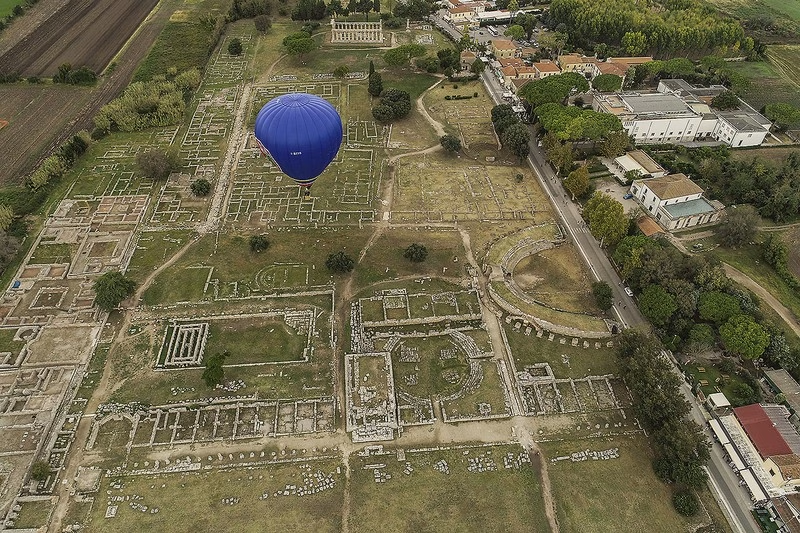
For forthcoming dates and programme announcements, see the festival organiser’s Facebook page. Confirm flight arrangements and weather conditions with the organiser before planning around the event.
Keep the day focused on Paestum
Start with archaeology and the museum, then choose a dairy visit, Capaccio or time at the beach. Combining all three can leave too little time for the ancient city.
Paestum has a railway station, but there is no railway along the Amalfi Coast. A journey towards Amalfi or Positano needs a separate onward connection, commonly through Salerno, with seasonal services and return timings checked. Paestum is best appreciated as a destination in its own right.
For nearby town walks, see our Cilento towns and villages guide. For accommodation and a wider route, use our Cilento holidays page. We can match the base and arrangements to the balance of archaeology, coast and countryside you want.

 Facebook
 WhatsApp channel