


Discover the wetlands by boat, summer flowers and fortified villages, with a chapter of First World War history at Peschiera.
River panorama: BAMS Photo Rodella.
In this article
Boat ridesLotus blossomBirdlifeMedieval towns & villagesPeschiera & the First World WarIdeas for your day
Follow the river into a different landscape
A small boat moving between reed beds, pink lotus flowers opening above broad leaves, a village enclosed by medieval walls: the Mincio offers several rewarding reasons to leave the lake for a day.
The river flows out of Lake Garda at Peschiera, passes through the countryside towards Mantova and eventually joins the Po. The protected Parco del Mincio lies in Lombardy; this guide also includes nearby places along the wider river corridor. Its northern hills, wetland reserves and historic towns are best enjoyed as separate outings, with time for lunch and a walk.
For couples staying in Borghetto or southern Lake Garda, I would make a boat trip the starting point. It reveals a landscape you cannot appreciate fully from the road.
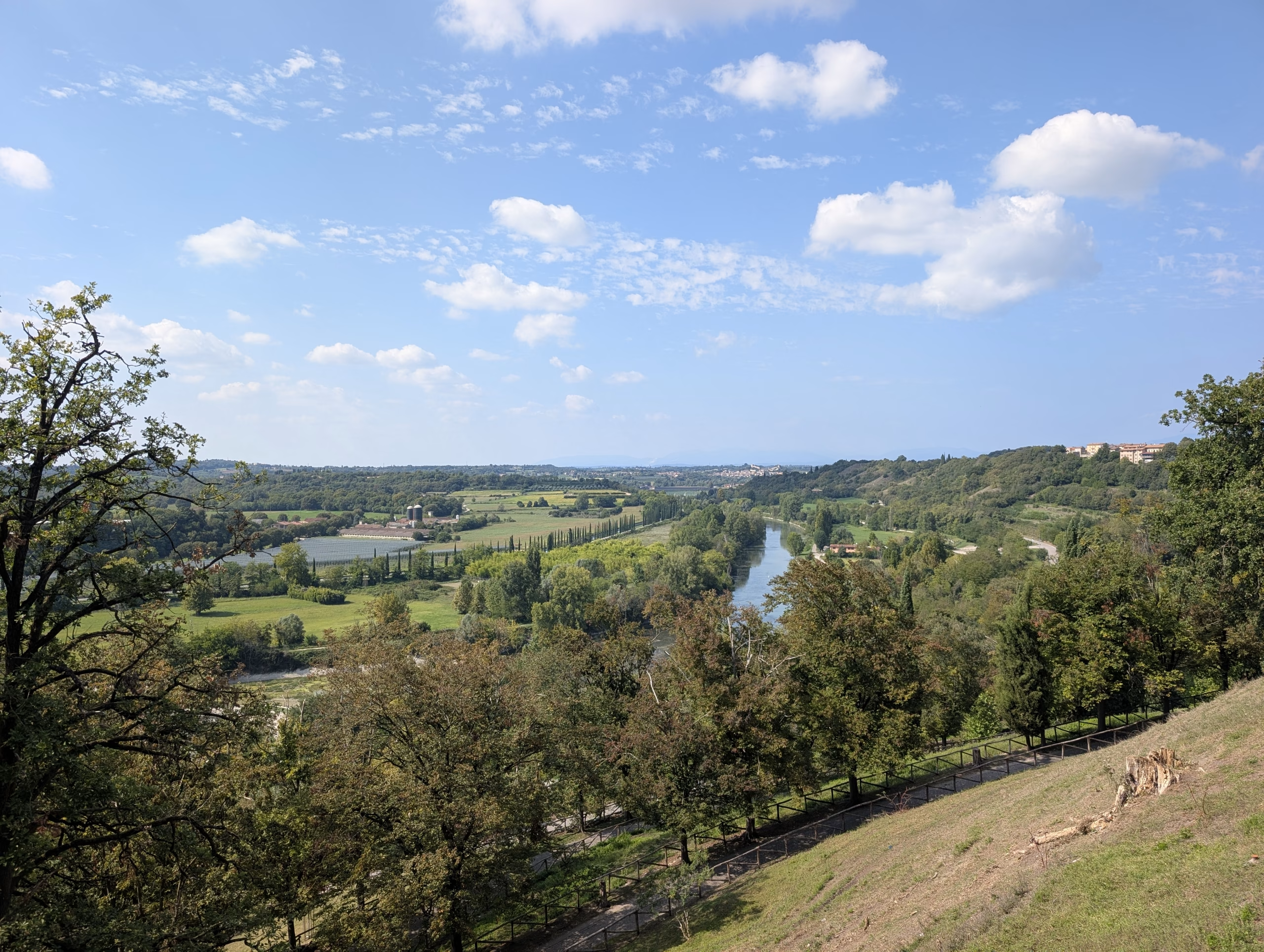
See the wetlands with the local boatmen
Around Rivalta and Grazie, the river spreads into the Valli del Mincio: a network of channels, reeds and open water. Travelling with a local boatman brings you close to this landscape, with time to notice birds at the water’s edge and understand how fishing and reed gathering once shaped life here.

Start from Grazie
The small harbour beneath the sanctuary is a particularly appealing departure point. The local boatmen offer routes through the reserve towards Lago Superiore, with a return to Grazie along other waterways. Combine the trip with the sanctuary and lunch in the village.
Start from Rivalta
Rivalta’s old fishing settlement offers guided departures into the reserve. The operator’s standard excursion averages around 90 minutes. Its Museum of River Trades adds context to the journey: this was a working landscape long before visitors came to photograph it.
Choose a wetland excursion for reed channels and wildlife, or a lake cruise if seeing Mantova from the water is your priority. Routes differ, so the departure point and what you want to see matter more than simply booking “a Mincio boat trip”. Some excursions also depart from Mantova’s Ponte dei Mulini.
We can include the outing and the journey to the harbour in your holiday arrangements. Leave a half-day for the boat, village and a relaxed lunch; keep a full afternoon free if you also want to explore Mantova.
Explore the park’s boat itineraries, the boatmen of Grazie and departures from Rivalta.
Lotus blossom on Lago Superiore
July and August are the main months for the lotus flowers. Broad green leaves rise above the water, with large pink blooms bringing colour to the margins of Lago Superiore and parts of the wetland route. Seeing them from a boat gives you a much closer view than a passing glimpse from shore.

If flowering is the main reason for your visit, tell us when planning the holiday. We will choose an excursion that reaches the lotus beds and check local conditions nearer the time: the display follows the season rather than a fixed calendar.
There is an interesting ecological story behind the spectacle. The lotus is an introduced plant, and its vigorous spread requires management in this sensitive wetland. The flowers are striking, but the reeds, open channels and native wildlife are just as important to understanding the place.
Bring a hat, water and sun protection for a summer outing. Outside the flowering period, a guided boat trip still offers the river landscape and birdlife; spring or early autumn can fit particularly well with village visits.
The park’s seasonal advice · The wetland environment near Rivalta
Leave time to watch the birds
A heron standing at the edge of the vegetation or a grebe moving across open water can be as memorable as the flowers. A guide helps you notice what you might otherwise pass, and explains why different birds use different parts of the reserve.


Take binoculars if you have them and enjoy the outing at the boatman’s pace. Wildlife sightings vary, which is part of the pleasure of visiting a living wetland.
Medieval towns and villages beyond the river
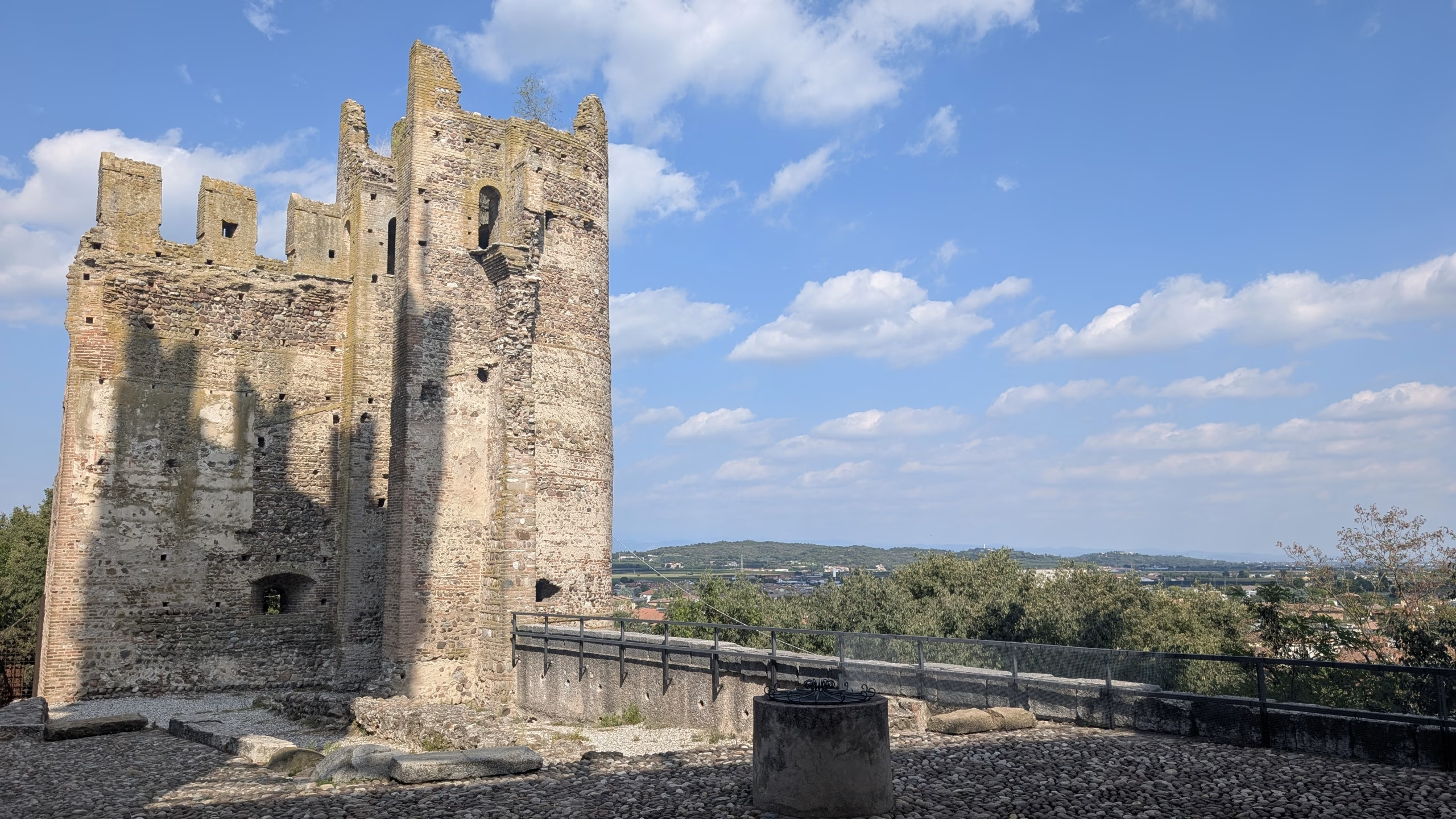
Castellaro Lagusello: a walled village beside a small lake
Castellaro Lagusello is a compact village in the morainic hills, with stone lanes, a tower and a fortified outline beside a small lake. It suits an unhurried walk followed by lunch, with time to notice the buildings rather than simply take a photograph at the entrance.

The lake and its surroundings form a nature reserve. Enjoy the village’s relationship with the water, without assuming the lakeshore is a freely accessible walking circuit. Tower and guided-visit arrangements can be checked as part of the day.
Monzambano: a castle above the Mincio
Monzambano’s surviving castle enclosure largely took its present form in the thirteenth century. Its position helps explain the importance of the river: this was a strategic crossing area between territories, with fortifications built to control movement through the landscape.
Pair Monzambano with Castellaro for a day of village walks and lunch in the hills. A car or arranged driver makes a flexible outing; cyclists should allow for climbs and road sections away from the riverside path.
More about Castellaro Lagusello and Monzambano’s castle.
Grazie: a sanctuary village beside the wetlands
Grazie brings medieval history directly into the boat-trip day. Francesco I Gonzaga commissioned its sanctuary during a plague epidemic; construction took place between 1399 and 1406. Visit the church and the small settlement around it before or after going out on the water.
The combination is particularly satisfying: a historic building, a village lunch and a view of the landscape from the boat. Read more about the Sanctuary of the Beata Vergine delle Grazie.
Peschiera and the First World War
Peschiera has a specific place in the story of the First World War. On 8 November 1917, following the Italian defeat at Caporetto, King Vittorio Emanuele III met British and French representatives in what is now the Palazzina Storica. The discussions concerned the military crisis and resistance on the Piave.
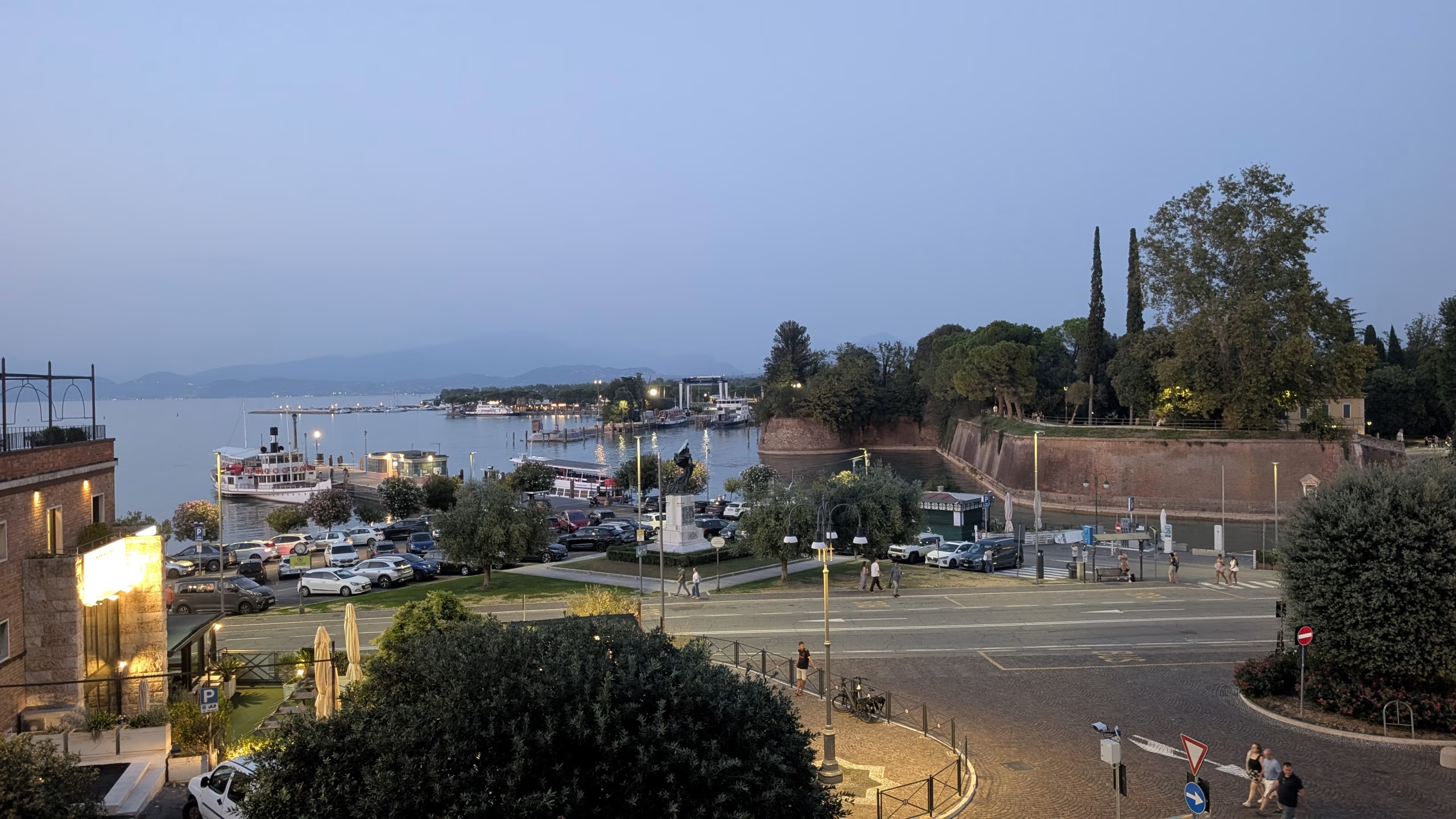


The museum preserves the meeting room and objects and documents connected with the war. For visitors interested in military history, it adds a precise historical episode to a walk around Peschiera’s canals and fortifications. We can check opening arrangements when including it in your day.
It is useful to separate this story from the earlier conflicts associated with the surrounding countryside. Solferino’s famous battle took place in 1859, during the Second War of Italian Independence. Its monuments belong to an earlier chapter than the 1917 meeting at Peschiera.
The Palazzina Storica and the 1917 conference · Solferino’s earlier history
For the town’s wider appeal, read our Peschiera del Garda guide.
Four ways to shape a day
Water and flowers
A boat trip from Grazie or Rivalta, followed by lunch. In July or August, make a route reaching the lotus beds the centre of the day.
Medieval villages
Monzambano and Castellaro Lagusello, with a walk in each and a leisurely lunch in between. Give the hills a day of their own.
Peschiera and 1917
The Palazzina Storica, when open, followed by the fortified town and canals. Finish beside Lake Garda rather than adding a distant wetland departure.
Sigurtà gardens
A relaxed half-day exploring Parco Giardino Sigurtà on foot or by bike, with lawns, ponds and views across the countryside. Finish with an aperitivo in Valeggio or Borghetto.
Make the Mincio part of your stay
Borghetto makes a rewarding base for combining these outings with riverside evenings. Our Borghetto experience guide covers cycling, gardens and village life; our holiday page brings together the places to stay and travel arrangements.
Tell us whether you are drawn to the boat rides, summer flowers, medieval villages or military history. We will build the days around your interests and preferred pace.



 Facebook
 WhatsApp channel