


Dorsoduro: Venetian painting, modern art and the waterfront
Plan a rewarding day in Dorsoduro, from the Accademia and Peggy Guggenheim Collection to the Salute, Zattere and San Trovaso.
In this article
Dorsoduro is a good district for travellers who want a substantial art visit without spending the entire day indoors. Its galleries sit close to canals, workshops, broad waterside walks and the great dome of Santa Maria della Salute. You can move from a painting to the city’s actual light and water within minutes.
The most useful decision comes before setting off: choose the Accademia or the Peggy Guggenheim Collection as your principal museum. Both can fill the same day, but most visitors gain more by giving one proper attention and leaving time for the district around it.
Cross the Accademia bridge with a question in mind
The view towards the Salute is one of Venice’s familiar compositions. It also gives a practical introduction to Dorsoduro: the Grand Canal curves past palace façades towards the church and the customs point, while smaller routes lead inland towards the district’s campi.
Pause on the San Marco side around Campo Santo Stefano before crossing, then notice the change in scale as you enter Dorsoduro. Busy museum approaches soon give way to narrower lanes and canal edges. The district is not uniformly quiet, but it offers several ways to change pace without making a long journey.
From the bridge, think about what interests you most in art. Do you want to understand the painters who shaped Venice’s visual language, or the modern artists collected by a remarkable twentieth-century patron? The answer helps you choose an interior with purpose.


The Accademia: learning to look at Venetian painting
The Gallerie dell’Accademia provides the broad historical view, with Venetian art from the medieval period through the eighteenth century. It is especially useful early in a stay because names and visual ideas encountered here recur in churches and palaces across the city.
Do not approach the collection as a requirement to inspect every work equally. Choose a small number of paintings and ask how each uses colour, light and space. A devotional panel, a narrative crowd scene and a grand theatrical composition invite different kinds of attention.
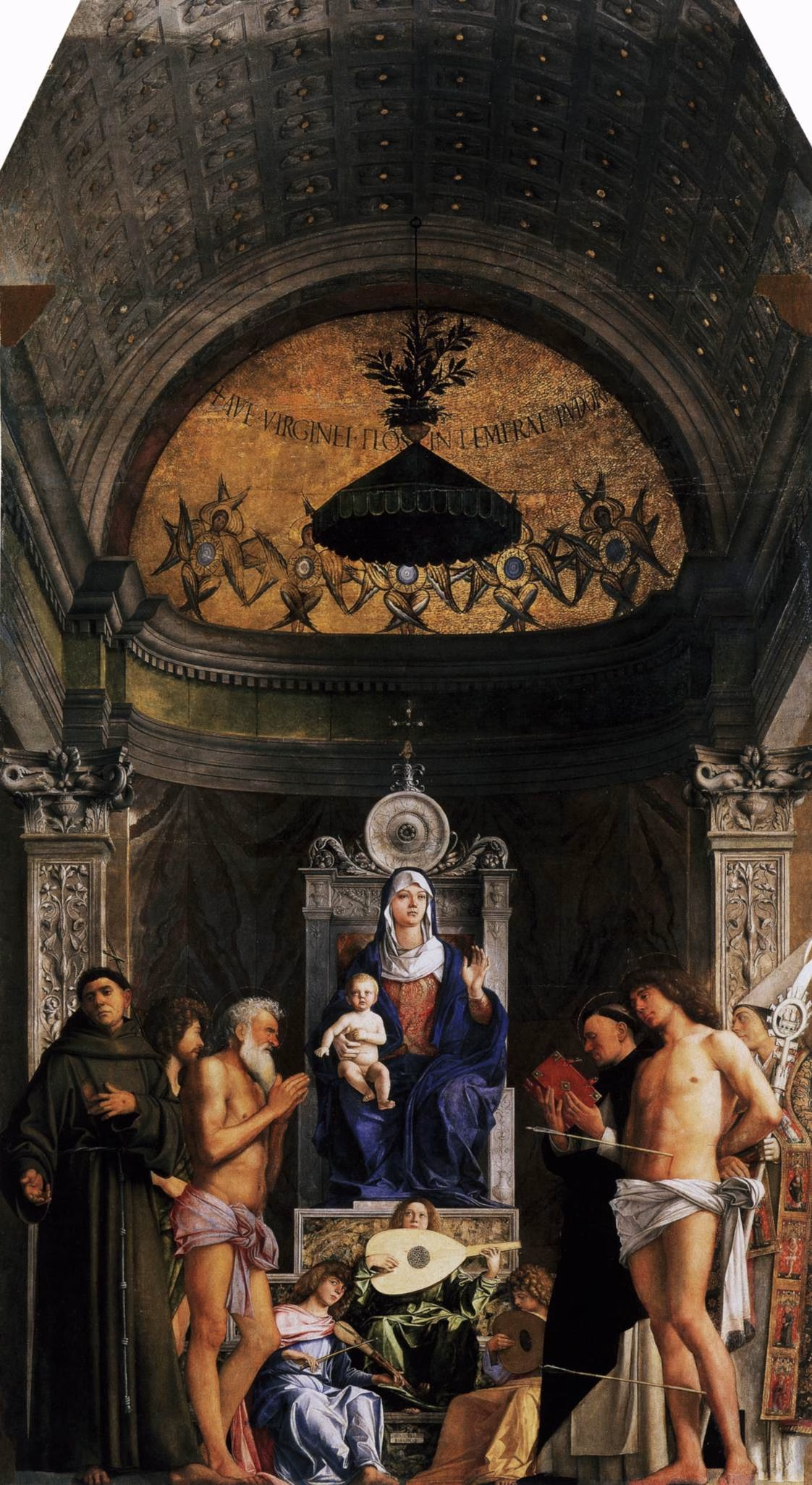
Bellini’s measured arrangements can help you recognise the force of a gesture or a patch of landscape. Later painters often make colour and movement more expansive, but the story is not a simple march from stillness to drama. Compare individual solutions to the problem of directing the viewer’s eye.
Many works were made for specific religious or civic settings before entering the museum. Their original scale and function matter. After the Accademia, a visit to the Frari and San Rocco allows you to compare museum display with paintings still connected to the spaces for which they were commissioned. Consult the museum’s current opening and collection notices when a particular work is central to your visit.
Peggy Guggenheim: a collector’s Venice
The Peggy Guggenheim Collection changes both period and scale. Its modern European and American art occupies Palazzo Venier dei Leoni, the low, unfinished palace beside the Grand Canal that became Guggenheim’s home.
The setting is part of the experience. Rooms, garden and the relationship with the canal keep the collection connected to a person’s choices and a domestic place. It is a useful contrast with the public institutions and religious patrons encountered elsewhere in Venice.
Look for conversations between works rather than a single sequence of movements to memorise. Cubism changes how forms can be seen from several viewpoints; abstraction shifts attention towards relationships of colour, line and surface. Surrealist work opens a different territory of images and associations. A few close comparisons make these ideas easier to grasp than a rapid circuit of labels.
Check the collection’s calendar and accessibility information before visiting. Entry arrangements, exhibitions and routes are worth confirming, especially if the building’s changes of level affect your plans. The museum’s own introductory presentations can add context without requiring a long guided visit.
Santa Maria della Salute: a promise made visible
Continue towards the eastern end of Dorsoduro and the dome of the Salute. The church was commissioned in response to the plague of 1630–31, turning a civic vow into a lasting presence on the waterfront. Baldassare Longhena’s design makes the building visible from several of the city’s principal approaches.
Look first at its massing: the dome, the supporting forms and the way the church occupies its site. Then go inside, when open, and compare the interior’s organisation with the long nave of a church such as the Frari. Different plans create different experiences of movement and focus.
The annual Salute observance in November keeps the church’s origin connected to the city’s religious life. It is not merely an architectural monument with a plague story attached. The city’s account of the basilica gives useful context before a visit.
Beyond the church, walk towards Punta della Dogana for the view across the basin. The former customs site makes a telling neighbour: commerce and public devotion occupied prominent positions beside the same approach to the city.
The Zattere and San Trovaso: change the scale
The Zattere faces the broad Giudecca Canal. After the close views of the smaller waterways, the space, sky and movement of larger boats can feel quite different. This is a good stretch for an unhurried walk, a seated pause or a meal chosen for the view as well as the kitchen.
Across the water lies Giudecca, with its own waterfront and Palladio’s Redentore. Seeing it from here makes the relationship clear: close enough to study, separated enough to require a boat. Do not assume the two banks are linked by an ordinary pedestrian bridge.
Near San Trovaso, the traditional boatyard, or squero, introduces the skilled work behind the gondola. The view from the public side of the canal can show the yard and its distinctive buildings. It remains a workplace, so interior access and demonstrations should never be assumed. If a workshop visit is important, arrange an authorised visit rather than stepping into working space.


A day that leaves room for the waterfront
For a first visit, give the morning to your chosen museum. After lunch, walk towards the Salute and Punta della Dogana, then follow the southern waterfront along the Zattere. Add San Trovaso if it fits your route and energy, rather than turning it into another appointment.
If modern art is your main interest, the Guggenheim can anchor the day, with another exhibition added only after checking what is currently showing. If Venetian painting is the priority, the Accademia deserves the larger share of your attention and can lead naturally to church visits elsewhere on another day.
Finish where your hotel and dinner plans make sense. Dorsoduro is pleasant to explore at a walking pace, but its bridges and indirect routes still count when you are tired. Our guide to choosing a Venice base explains how neighbourhood, boat stops and luggage routes work together. A good day here should end with enough time to enjoy the water, not a hurried crossing to the next booking.

Make Venice part of your holiday
Pair Venice’s art and waterfront walks with another Italian destination, choosing a pace that leaves room to enjoy both.
Venice and lagoon photography by Vittorio Sciosia (2016), except the additional photographs and artwork reproductions credited individually above. Additional images retain their full compositions and are resized for web display.



 Facebook
 WhatsApp channel