


Venice explained: how to understand the city before you explore
Understand Venice through its lagoon, history and neighbourhoods, with essential sights and a thoughtful plan for your first stay.
In this article
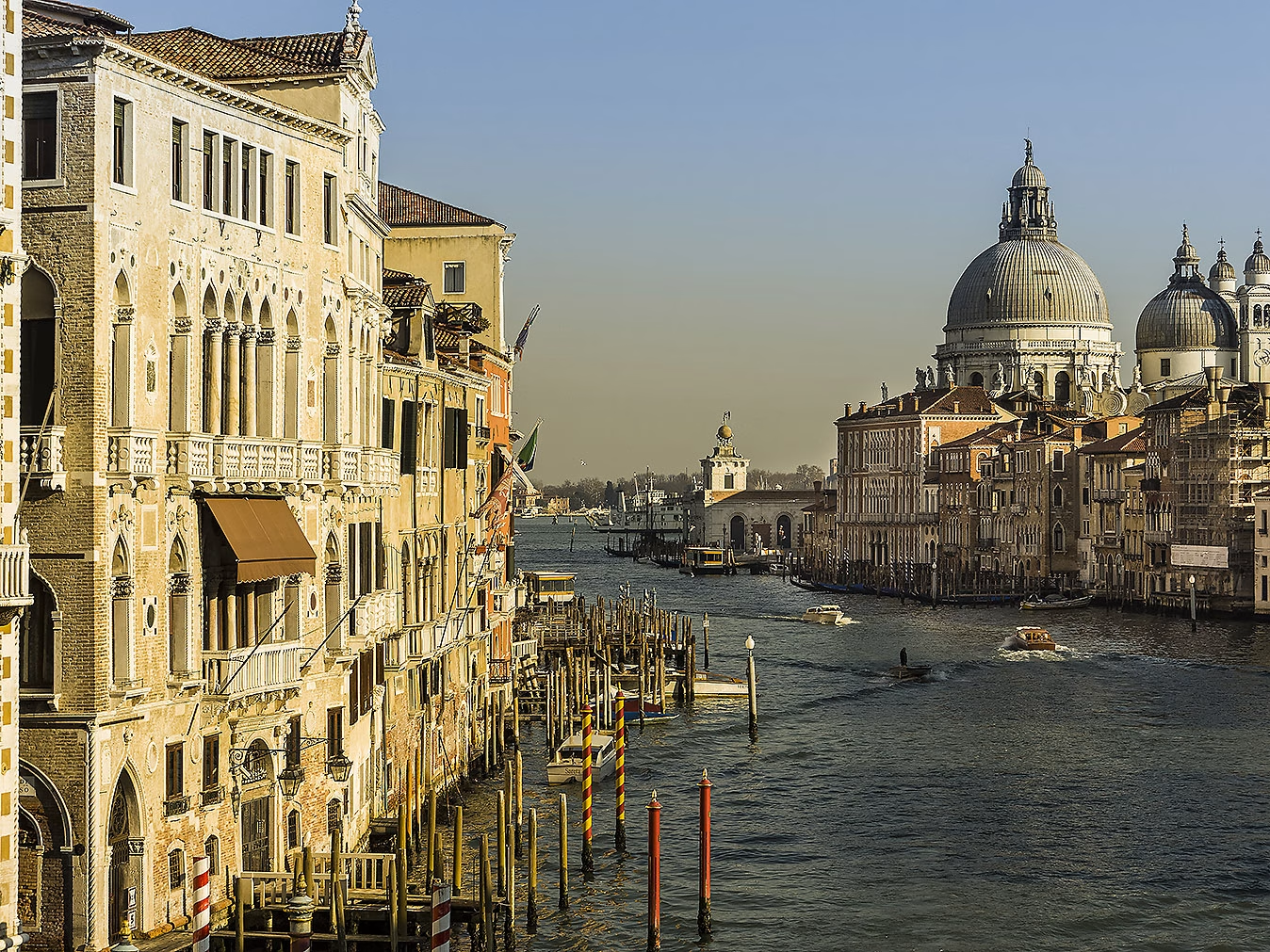
Venice becomes easier to enjoy once you stop treating its waterways as gaps between the sights. They explain where the city came from, how it made its money and why a palace has its grandest entrance at water level. A boat journey, a church interior and an ordinary neighbourhood walk can all tell different parts of the same story.
For a first stay, we would start with that story, give the principal monuments their own time and leave at least one half-day without a major booking. Venice rewards a little preparation followed by close attention: a carved wellhead, an unfamiliar name above a lane, a delivery boat negotiating a corner.
Begin with the lagoon
Venice is a city within a much larger inhabited landscape of shallow water, channels, mudflats and islands. The sea lies beyond the barrier islands; the open water you see from the city is not simply the Adriatic washing against its buildings. Tides move through the lagoon, while navigable channels determine where boats can travel.
Early settlements developed over centuries as people made lives on the islands and sought security during upheavals on the mainland. There was no single morning on which a complete city was founded. Communities traded, fished, built churches and gradually consolidated political power around the islands of the present centre. The relationship between settlement and water is why UNESCO recognises Venice together with its lagoon.
This changes the way to plan a visit. Murano, Burano and Torcello are not interchangeable extras. Each helps explain a different part of the region’s history. Even if you stay in the centre, take time to look beyond the buildings towards the water on which their existence depended.
The republic behind the façades
For centuries Venice was an independent republic whose wealth depended on shipping, commerce and territories extending far beyond the lagoon. Goods, materials, artists and ideas arrived through routes across the Mediterranean and beyond. The result is visible in the domes of St Mark’s, imported marbles and the ornament of palaces along the Grand Canal.
Its head of state, the doge, was elected through an elaborate political system. He was neither a hereditary king nor the president of a democracy in the modern sense. Power lay within an aristocratic republic, with councils and magistracies intended to distribute authority and constrain individuals. Reading the Doge’s Palace as a government building makes its enormous rooms much more revealing.
Venice’s wealth also involved conquest, exploitation and conflict. The objects brought from Constantinople after the Fourth Crusade in 1204 belong to that history. So do the restrictions placed on some of the people whose labour and trade contributed to the city. Beauty is more interesting when its circumstances remain visible.
The republic ended in 1797 in the upheavals associated with Napoleon. The Venice you visit today includes later layers too: railway connections, industrial buildings, modern art collections and the continuing work of residents. It is useful to ask when a view took its present shape rather than assuming every picturesque detail is medieval.

Learn the six sestieri
The historic centre is divided into six districts, or sestieri. Their boundaries matter less to a visitor than their differing rhythms, but the names help you organise a stay.
| District | What it helps you understand | A good starting point |
|---|---|---|
| San Marco | Ceremony, state power and the city’s most familiar monuments | St Mark’s Square and the Doge’s Palace |
| San Polo | Trade, charitable institutions and artistic patronage | Rialto, the Frari and San Rocco |
| Dorsoduro | Venetian painting, modern collecting and the southern waterfront | Accademia, the Salute and the Zattere |
| Cannaregio | Jewish history, northern waterways and residential streets | The Ghetto and Madonna dell’Orto |
| Castello | Shipbuilding, the navy and Venice’s eastern expansion | The Arsenale and San Pietro di Castello |
| Santa Croce | Arrivals, small campi and the western side of the city | A walk east from Piazzale Roma towards San Giacomo dell’Orio |
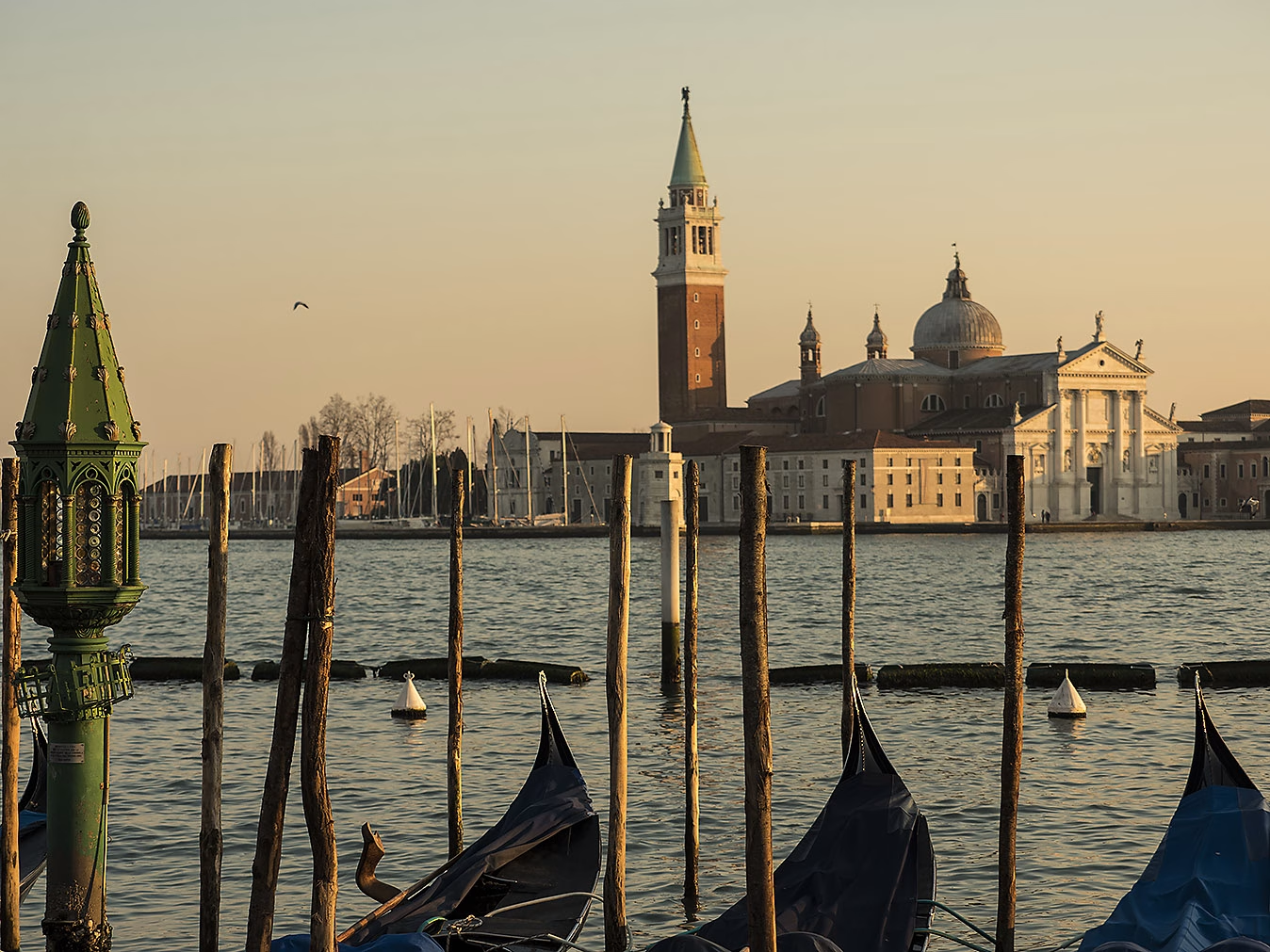
Giudecca belongs administratively to Dorsoduro but is separated from it by a broad canal. San Giorgio Maggiore is another island again. A small distance on a map can therefore require a boat, while a longer-looking route through the centre may be pleasant on foot.
Give the essential sights a purpose
Start with St Mark’s and the Doge’s Palace, where religious imagery and political authority meet. Look at the basilica’s surfaces and the palace’s institutions, rather than approaching both as a sequence of rooms to complete. Allow a substantial part of a day if visiting both interiors, with a proper pause between them.
Then travel along the Grand Canal. It provides an architectural overview that no walking route can quite reproduce. Notice the water doors, rows of windows and changing styles. Choose one palace museum if interiors appeal; you do not need several to understand the basic relationship between commerce and domestic display.
For Venetian painting, decide whether you want a museum overview at the Accademia or works still connected to the settings for which they were made. The Frari and Scuola Grande di San Rocco make a particularly strong pairing in San Polo. Dorsoduro offers a different conversation between old painting and the Peggy Guggenheim Collection’s modern art.
Finally, include a neighbourhood whose subject interests you. Cannaregio adds Jewish history and Tintoretto; Castello adds the maritime republic and its shipyards. This is often where a visit begins to feel like an understanding of a city rather than an introduction to its landmarks.

Notice the small things that explain daily life
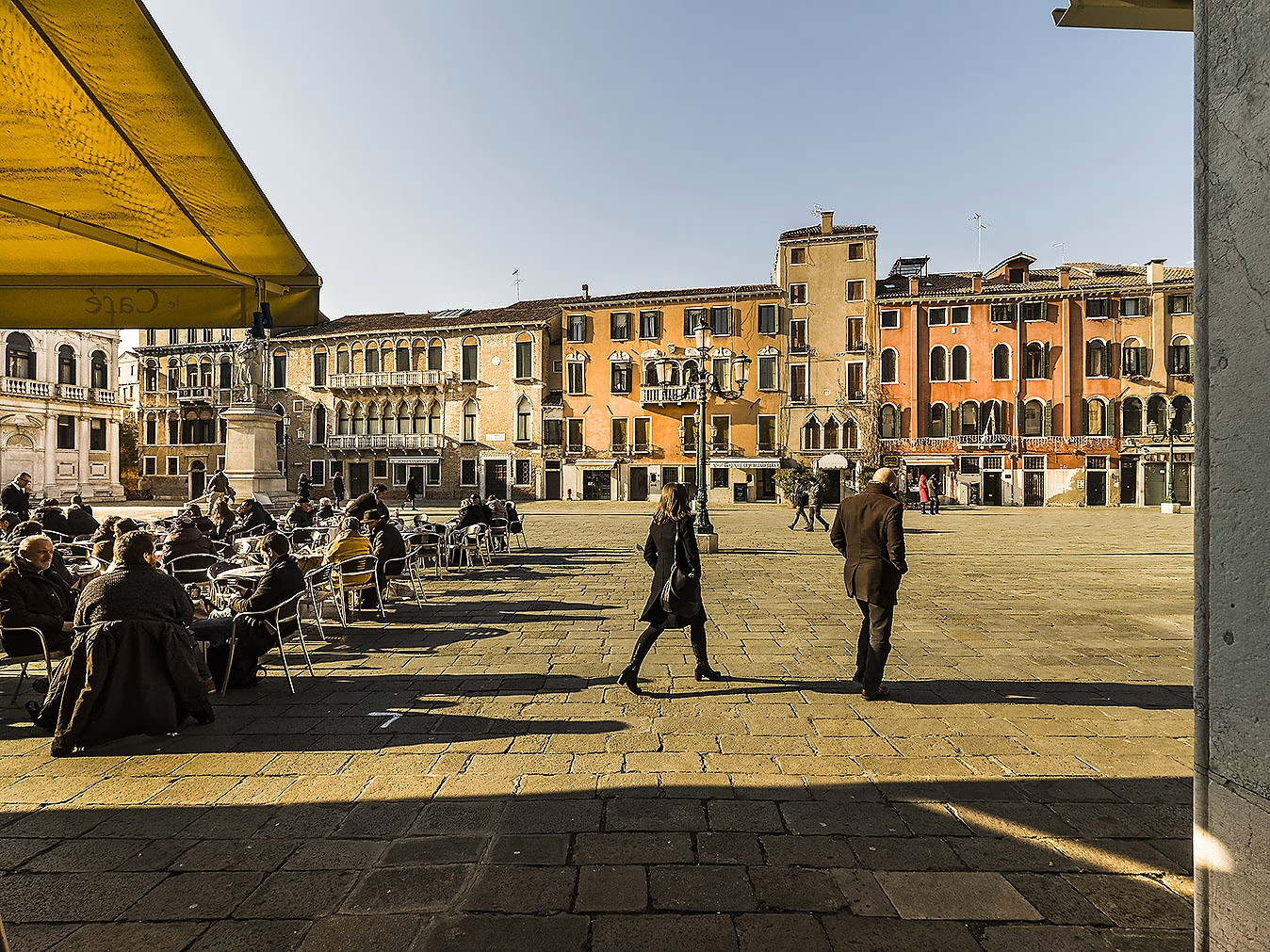
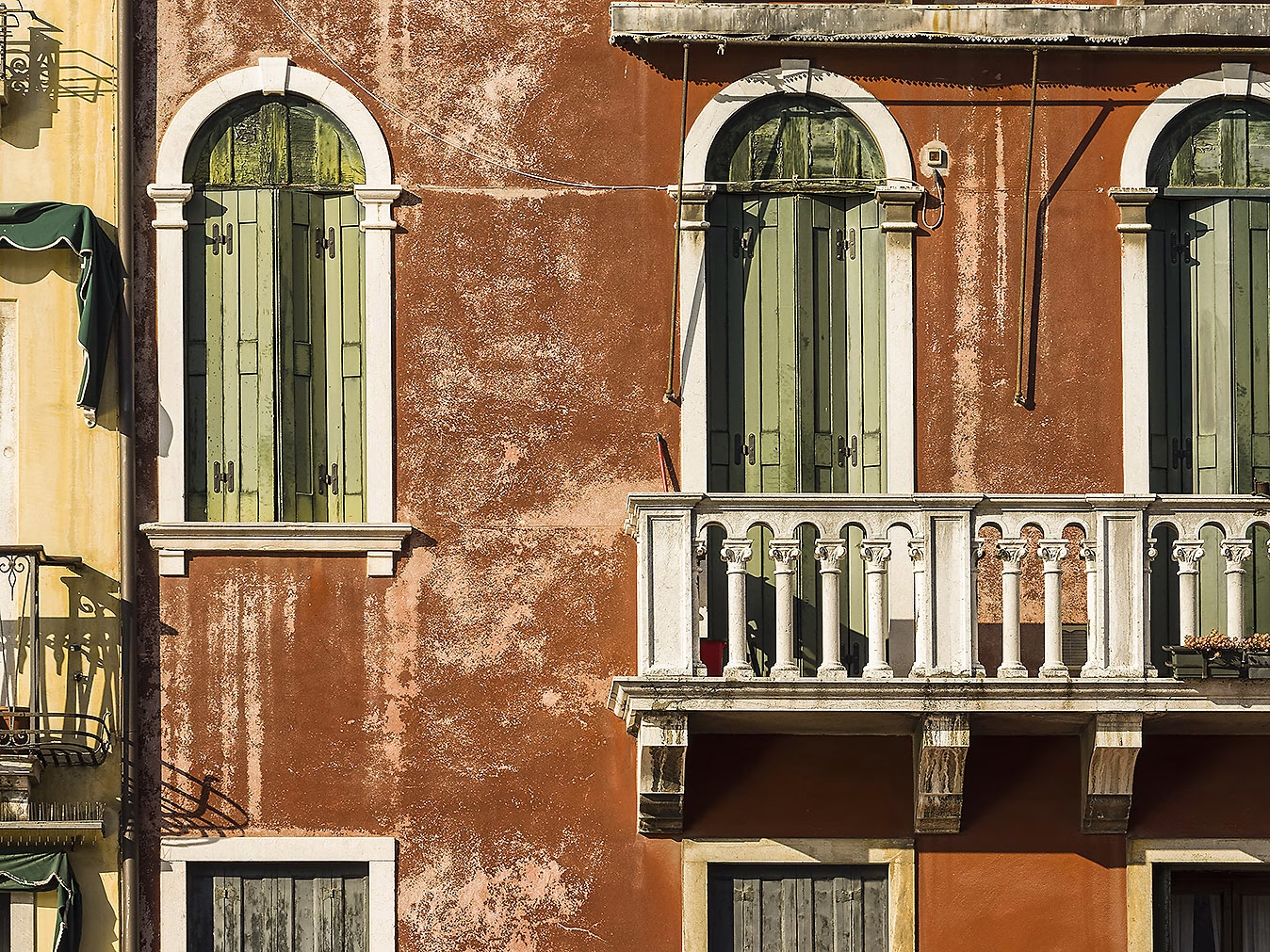
Many Venetian squares are called campi, while a calle is a lane and a fondamenta runs beside a canal. A rio terà records a waterway that was filled in. These names can tell you more than a street’s present appearance.
Stone wellheads once gave access to stored fresh water, a precious resource in a salt-water environment. They are part of a system of rainwater collection and filtration, not evidence that drinking water was simply drawn from the canal. The functional story is hidden below a decorative object.
Watch boats as carefully as buildings. Passenger services, deliveries, refuse collection and maintenance all compete for space. Gondolas are only one part of this network. Our guide to how Venice works explains the details that make an unplanned walk rewarding.
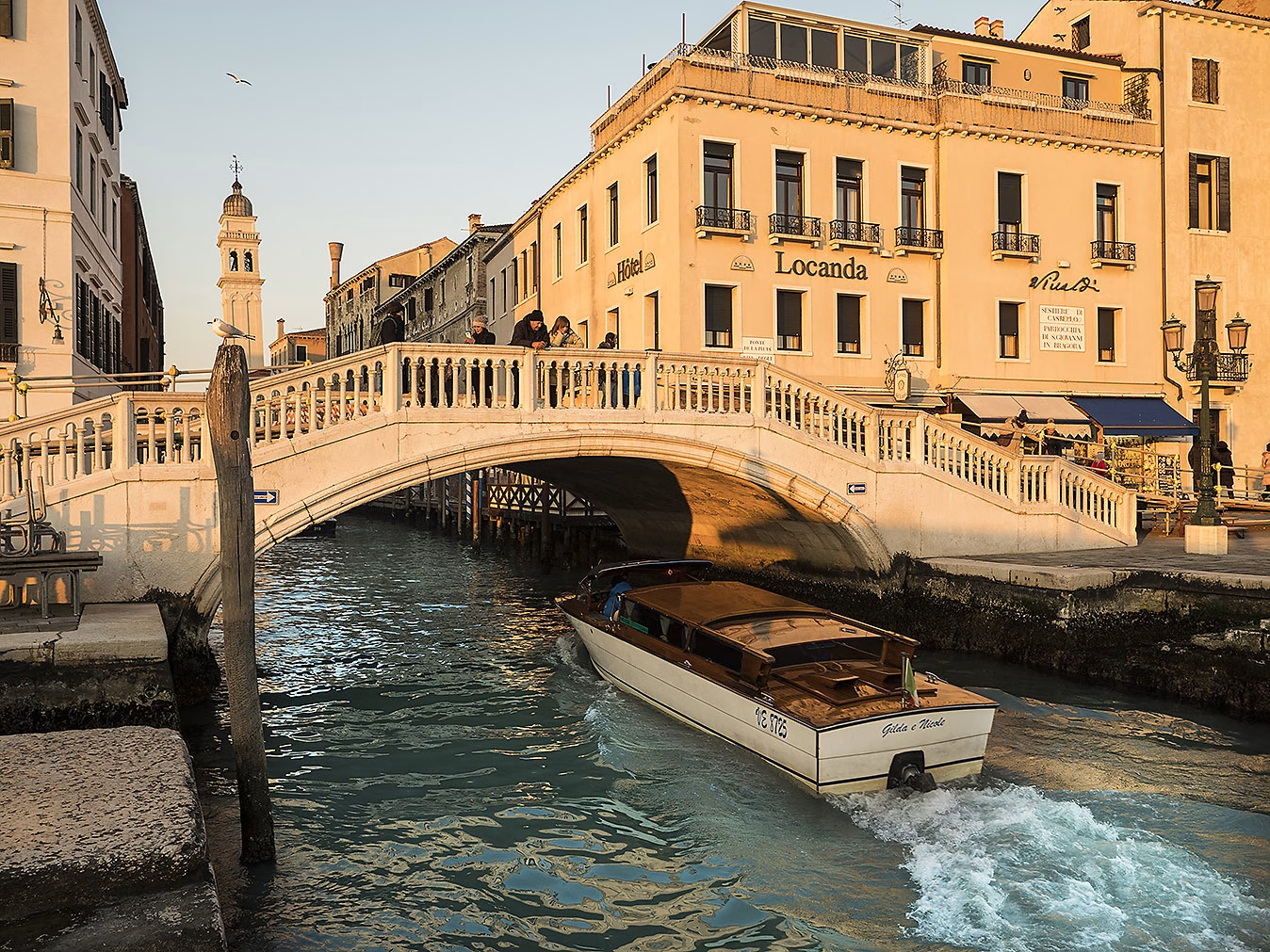
Build a stay with room to change pace
Think in full days as well as nights. Three nights often provide two full sightseeing days; five nights usually give four. Arrival and departure days can be useful, but luggage, transfers and train times affect how much they contain.
With two full days, concentrate on San Marco, the Grand Canal and one art or neighbourhood route. With four, add a lagoon day and a second district. With six, you can return to favourite places, make separate island excursions and leave room for a garden, concert or temporary exhibition that matches your dates.
Keep one principal booking per half-day. Walking between appointments takes time, and the most direct route is not always the most pleasant. A late afternoon on the Zattere or an evening walk close to your hotel needs no elaborate programme.
Before booking, read where to stay and how much time to allow and how to choose a lagoon day. They turn these ideas into practical decisions. For a longer holiday, Venice works especially well when its concentrated urban experience is balanced with another setting: countryside, a lake or a different Italian city. The useful question is what you would like the next part of the journey to add.

Choose your next Venice guide
Make Venice part of your holiday
Build your Venice stay into a wider Italian journey, with time for both the major sights and the city between them.
Photography by Vittorio Sciosia, from his Venice and lagoon collection (2016).



 Facebook
 WhatsApp channel