


Murano, Burano and Torcello: choosing your day in the Venetian lagoon
Choose between Murano’s glass, Burano’s lace and Torcello’s early history, with a realistic plan for a day on the Venetian lagoon.
In this article
A lagoon day works best when it answers a question. Are you interested in how glass is made, in lace and a compact fishing settlement, or in the early history of the lagoon? Murano, Burano and Torcello offer different answers. Visiting all three is possible on some schedules, but it is not automatically the most rewarding choice.
The boat journey is part of the subject. As the dense city recedes, channels, open water and low islands reveal the setting that made Venice possible. Allow time to see that landscape rather than treating every stretch between stops as lost sightseeing time.
Choose your island by its story
| Island | Choose it for | Allow room for |
|---|---|---|
| Murano | Glassmaking, design and the history of a specialised craft | A museum visit, an arranged demonstration and a walk beyond the nearest shops |
| Burano | Lace, fishing history and the shape of an island settlement | The Lace Museum, side streets and a seated lunch |
| Torcello | Early lagoon history, mosaics and a striking contrast with the modern city | The basilica, the surrounding historic area and a slow walk from the landing |
For many travellers, Murano makes a focused half-day, while Burano and Torcello work well together as a fuller excursion. These are planning suggestions, not fixed transport durations. Your departure point, connections, queues and chosen visits determine what the day can comfortably contain.
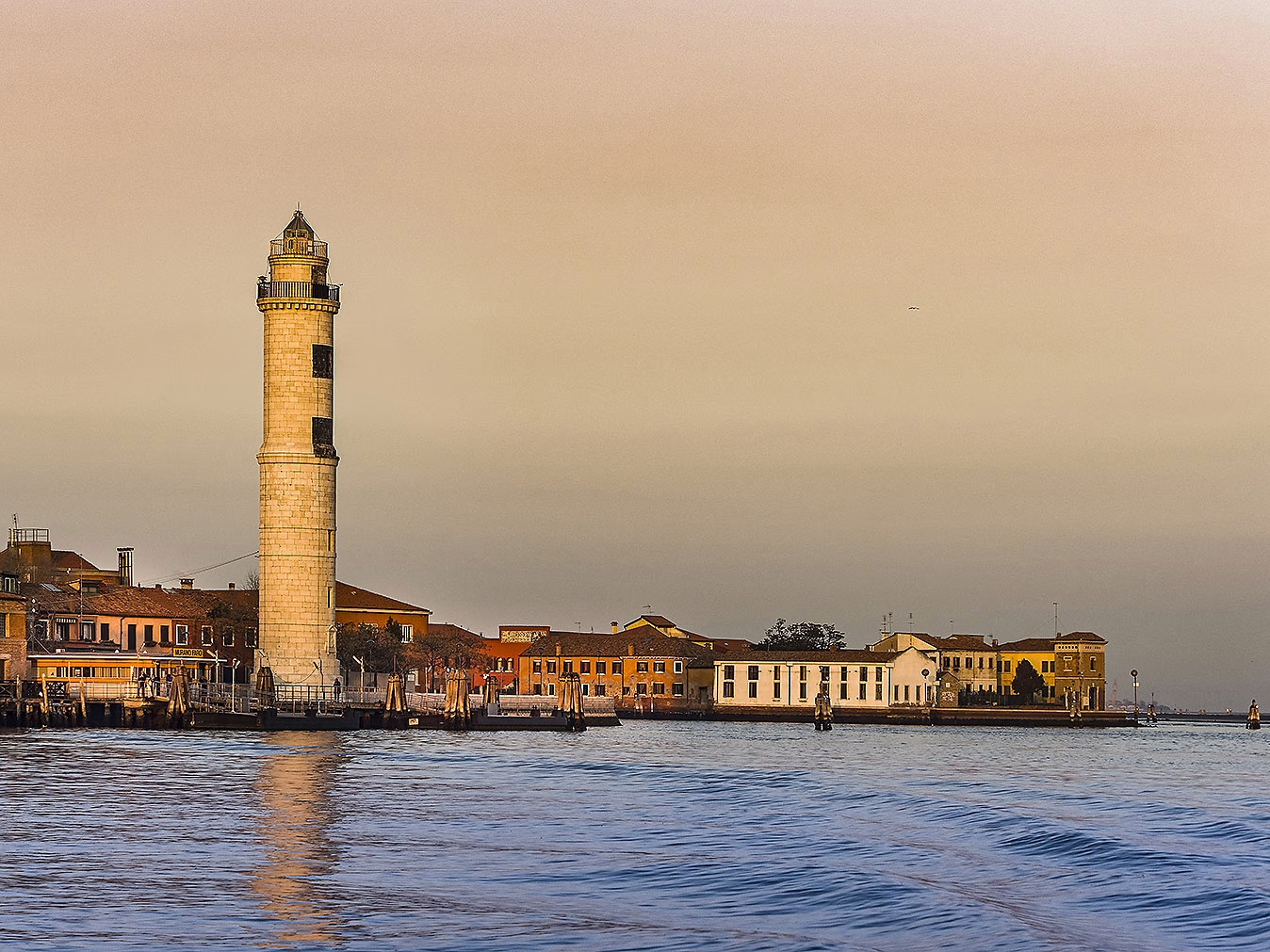
Murano: glass beyond the demonstration
Murano’s importance comes from a specialised industry with deep connections to Venetian trade and technical knowledge. In 1291, the republic ordered furnaces to move out of the main urban centre, with fire risk an important concern. Concentrating production also helped create the island’s distinctive community of skills and workshops.
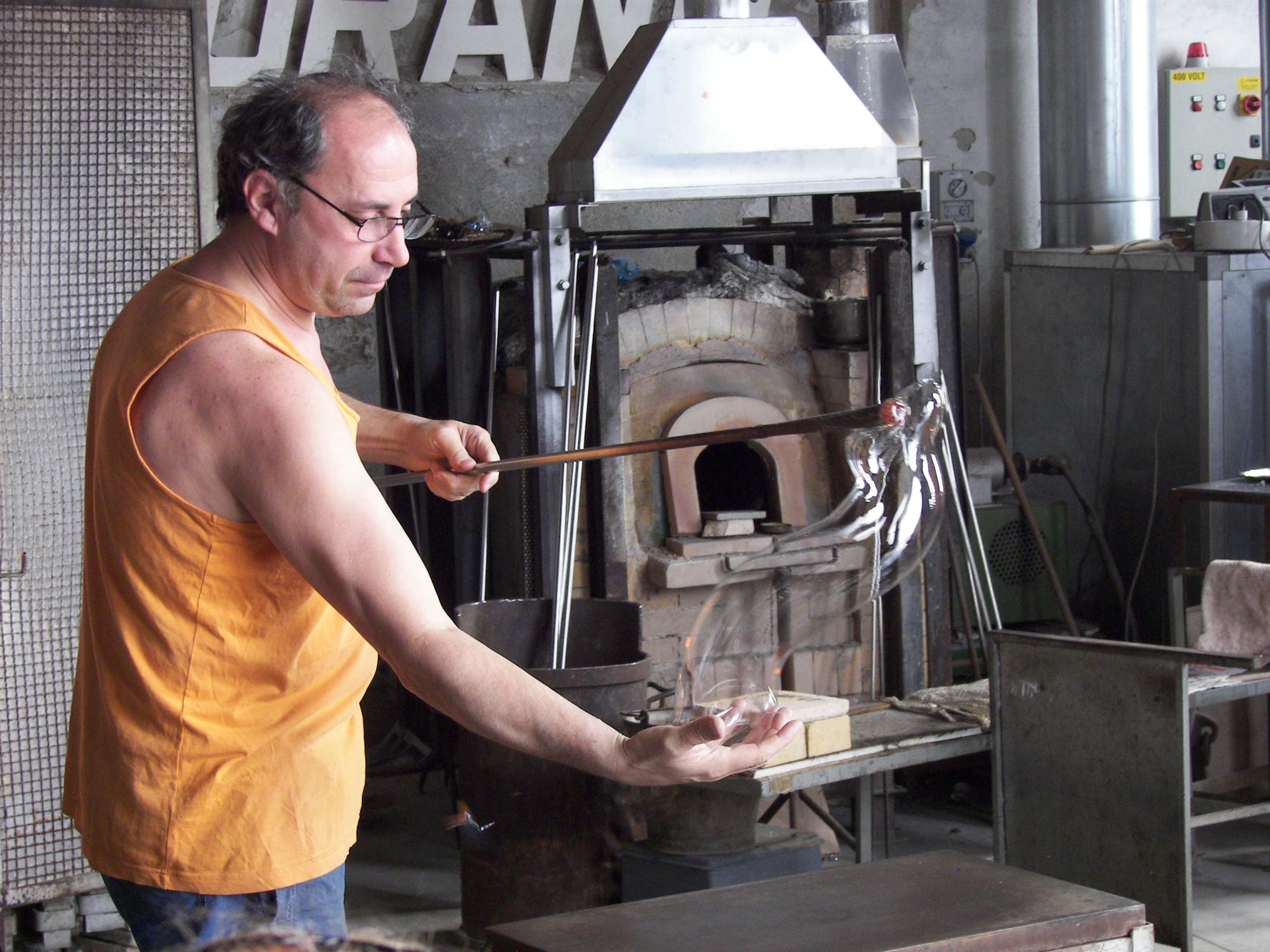
A demonstration can be fascinating, but it shows only a brief part of making an object. Heating, shaping, cooling, finishing and design all matter, and different techniques require different expertise. Watch the coordination of the people involved as well as the transformation of the glass.
The Glass Museum gives this activity a longer history. It allows you to compare techniques and tastes across periods, so that a contemporary workshop visit becomes more than a performance. Choose a few objects and consider what made them difficult to produce: thinness, colour, internal pattern or the assembly of separate elements.
If buying, ask who made the piece, where it was produced and what documentation accompanies it. A shop’s location on Murano is not, by itself, an explanation of an object’s origin. For a substantial purchase, take time over the maker, dimensions, packing and delivery terms. There is no need to make a decision during a demonstration.
Burano: look past the first row of coloured houses
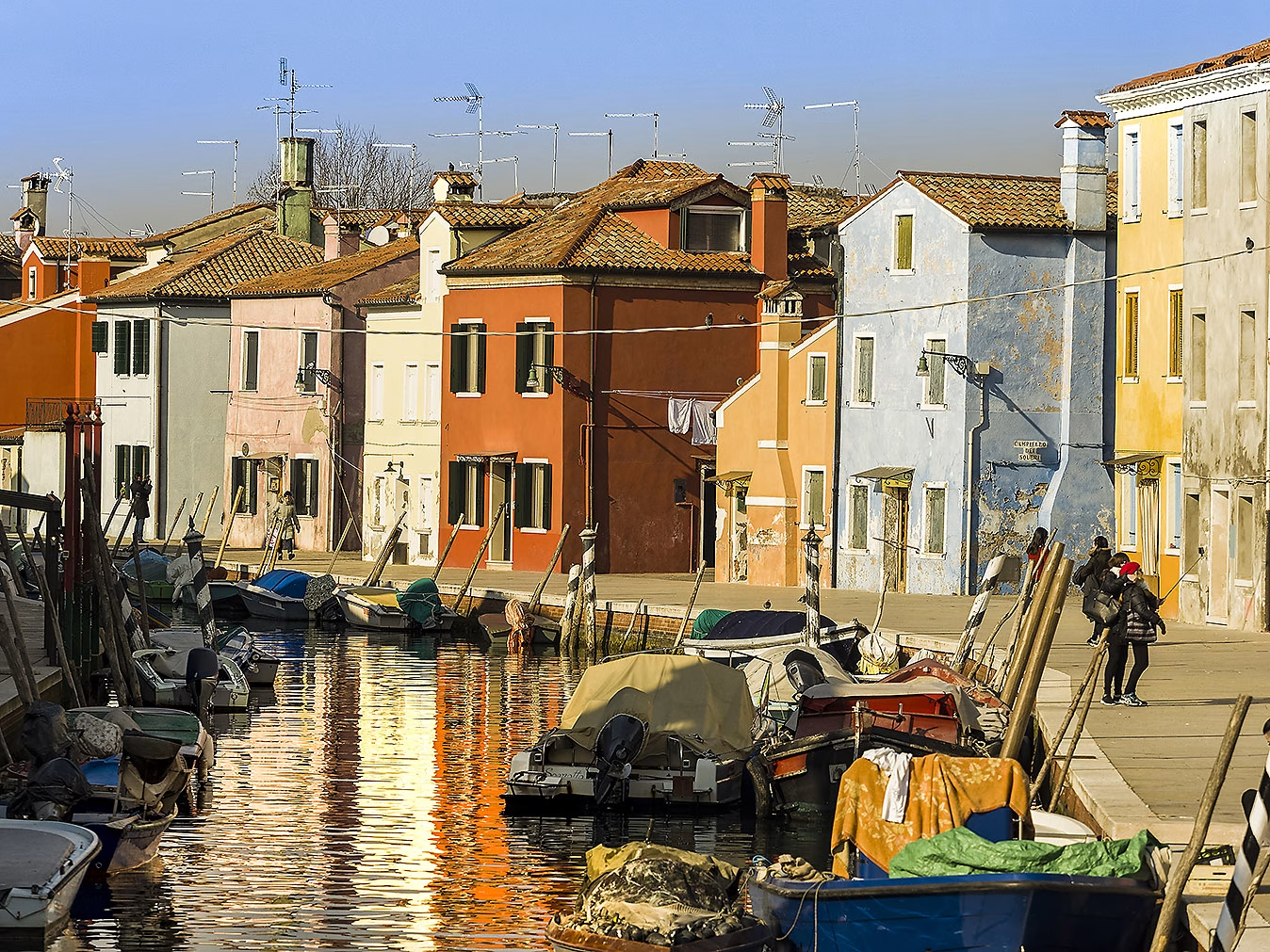
Burano’s façades make an immediate impression, but the island is more interesting when you look at how homes, canals, bridges and boats fit together. Walk beyond the first busy stretch and notice the small scale of the settlement and its relationship with the surrounding water.
Fishing forms an important part of Burano’s history, while lace connects domestic labour, intricate skill and international demand. The Lace Museum provides context that a shop window alone cannot supply. Fine needle lace involves time and specialist work; understanding the process changes how you look at both historic examples and objects offered for sale.

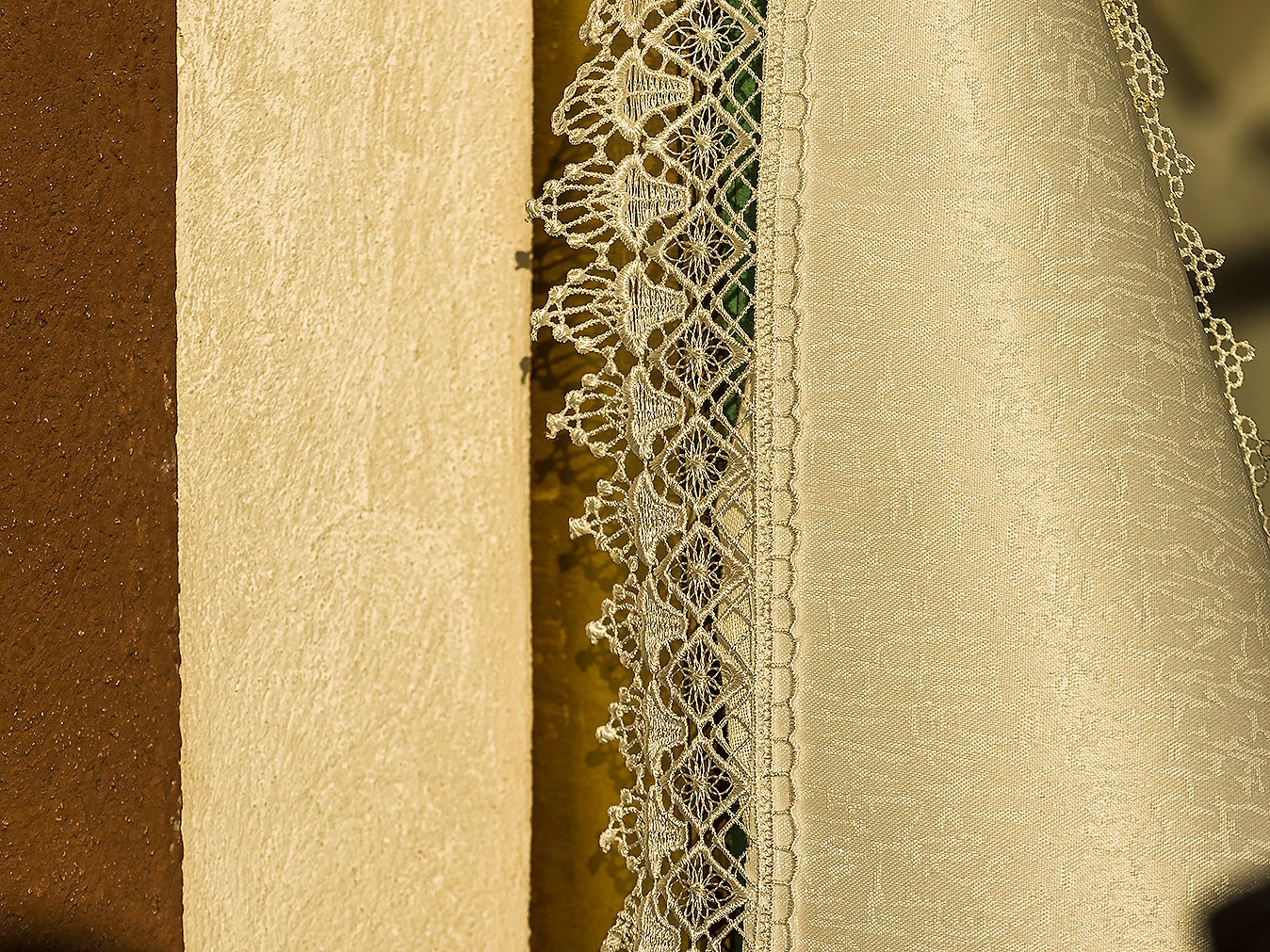

Ask whether an item is handmade, machine-made or a combination, and where it was produced. Those are practical questions about what you are buying, not judgments about what you should like. A clear explanation is more useful than a vague claim of tradition.
Stories about why Burano’s houses are brightly painted are often repeated as settled fact. Enjoy the colour without needing every picturesque explanation to be true. The visible relationship between individual houses and the shared streets is interesting enough in its own right.

Torcello: a different beginning for the lagoon story
Torcello challenges the assumption that the present centre of Venice was always the lagoon’s obvious focus. It was an important early settlement, with religious and commercial significance long before the modern visitor’s map took shape. Its much quieter appearance today needs to be understood as the result of change, not evidence that little ever happened here.
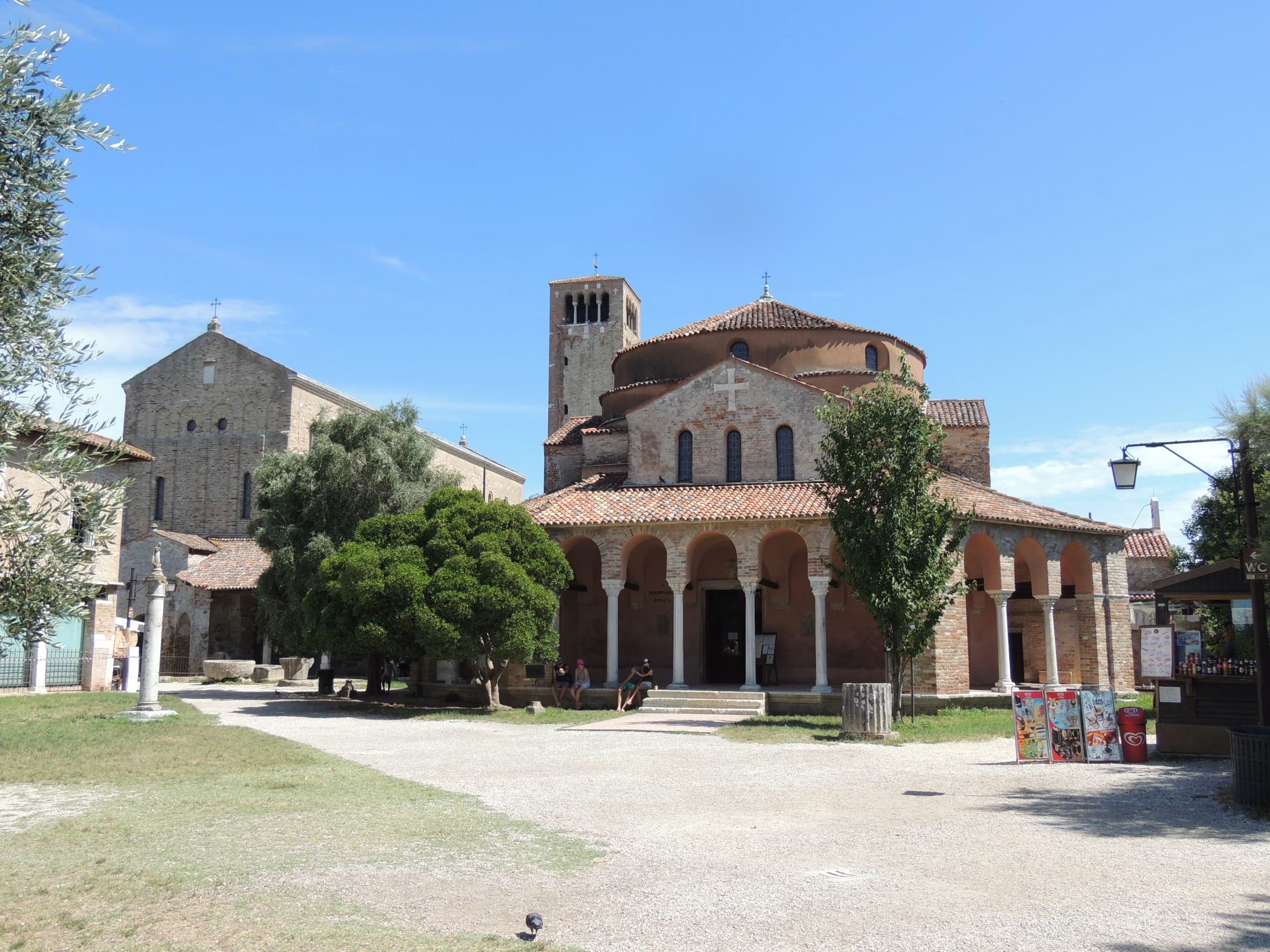
The Basilica of Santa Maria Assunta is the principal reason to come. Its mosaics bring the scale and ambition of that earlier religious world into a setting that now feels remarkably small. Give the imagery time: the great figures and the ordered scenes were made to communicate belief through their arrangement within the building.
The surrounding historic area and museum add context if open and relevant to your interests. Check which spaces your ticket includes; the basilica, museum and any tower access should not be assumed to form one unrestricted visit.
Torcello also has objects wrapped in legend, including the stone seat popularly associated with Attila. Treat such names as part of the island’s later storytelling, not proof that the named person used the object. The distinction is especially useful here, where sparse surroundings can encourage very large imaginative claims.
Plan the boats before fixing lunch and visits
Use the current ACTV information to check departure stops, connections and return options. A journey can involve more than one boat, and an apparently short distance between islands may not translate into a direct service at the time you want.
Check the validity of your transport ticket for the routes you intend to use. Airport boat services and ordinary city and lagoon transport are not interchangeable products. If your plan combines an island visit with an airport transfer, work through both the luggage arrangements and ticket conditions separately.
Weather can change the experience substantially. Wind, rain, heat and the availability of shade matter when much of the day is spent walking outdoors or waiting at landings. Keep some flexibility in your Venice programme so that the lagoon day can move if conditions are poor.
A realistic choice for your first stay
If craft and design are your priorities, choose Murano and make the museum or an arranged workshop visit the centre of the day. Return with time for a different part of Venice rather than automatically adding two more islands.
If you want a broader change of landscape, combine Burano with Torcello, leaving space for lunch and the connections between them. Decide which interior matters most and confirm its opening before committing to the sequence. A day can feel full with two islands when you actually visit them.
For a longer stay, separate Murano from Burano and Torcello. The extra time allows you to compare the islands instead of blending them into one colourful excursion. Our guide to three, five and seven nights in Venice shows where a lagoon day fits. If you prefer a shorter crossing with architecture and broad city views, consider Giudecca and San Giorgio Maggiore instead.
Make Venice part of your holiday
Allow enough nights in Venice for a lagoon day, then continue to another part of Italy with the connections considered for you.
Venice and lagoon photography by Vittorio Sciosia (2016), except the additional photographs and artwork reproductions credited individually above. Additional images retain their full compositions and are resized for web display.



 Facebook
 WhatsApp channel