


Eating in Venice: what the lagoon and its trading history bring to the table
Understand cicchetti, bacari, seafood, seasonal vegetables and Venetian dishes through the city’s lagoon and history of trade.
In this article
Venetian food makes most sense when you picture two landscapes together: the nearby lagoon and the trading routes that connected the city with distant ports. Fish, shellfish and vegetables from the surrounding region met preserved foods, spices and ingredients brought from elsewhere. The result is a cuisine shaped by both proximity and exchange.
For a visit, this is a more useful starting point than trying to eat every famous dish. Begin with the market, learn a few names and choose meals that fit the season and the way you want to spend the day. A small plate at a counter and a long restaurant lunch offer different experiences of the same city.
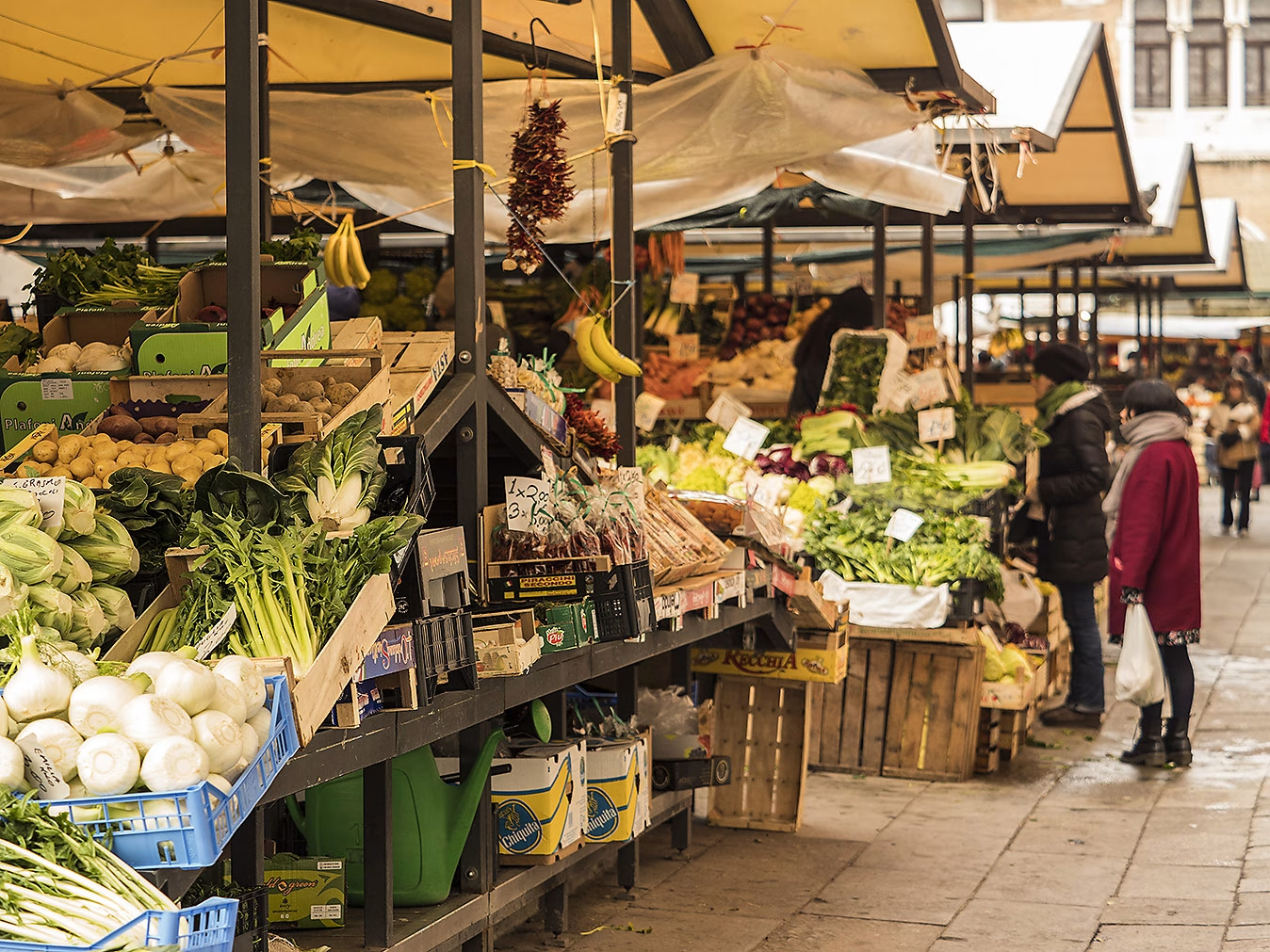
Start at Rialto, then look beyond the stalls
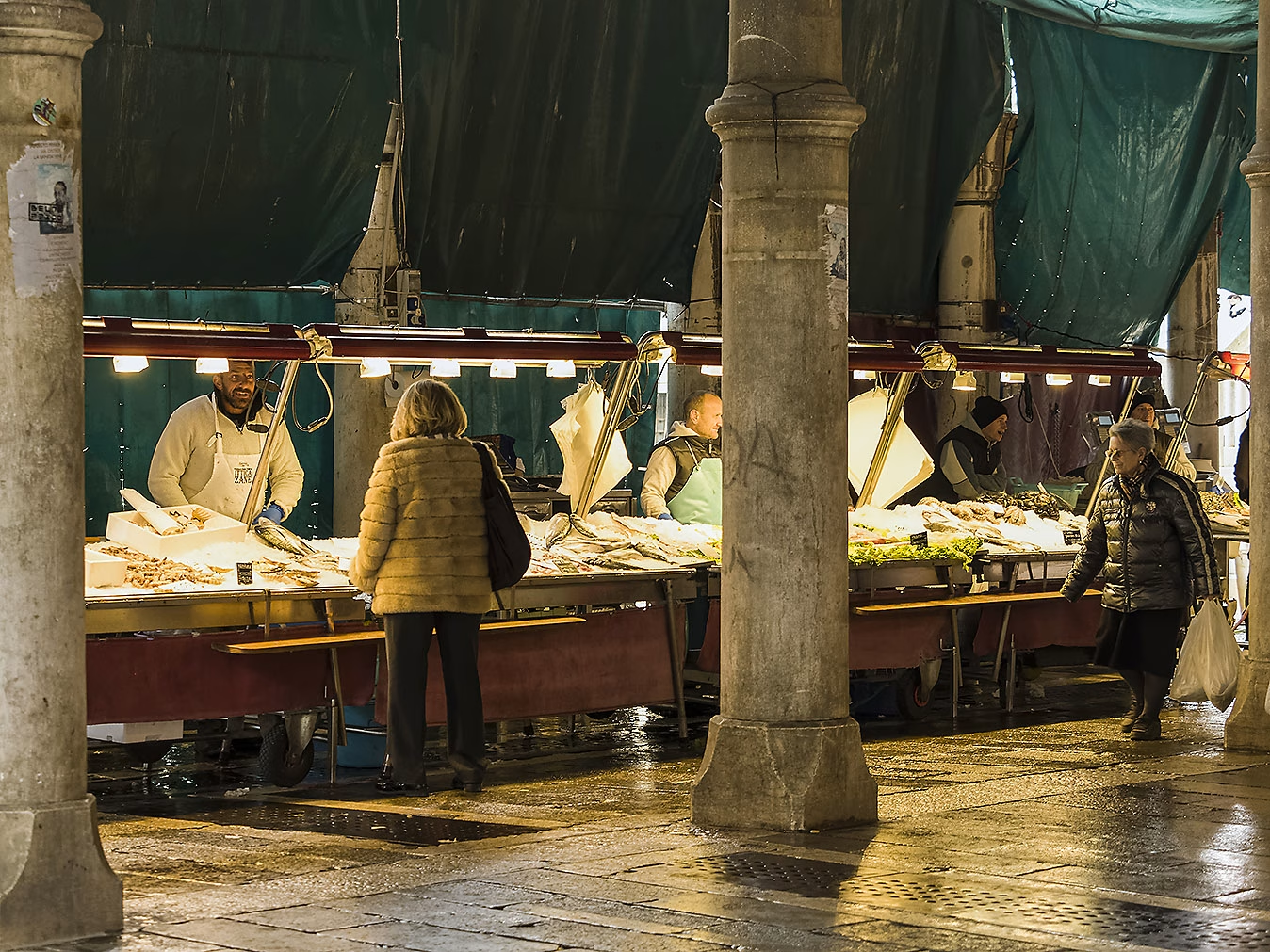
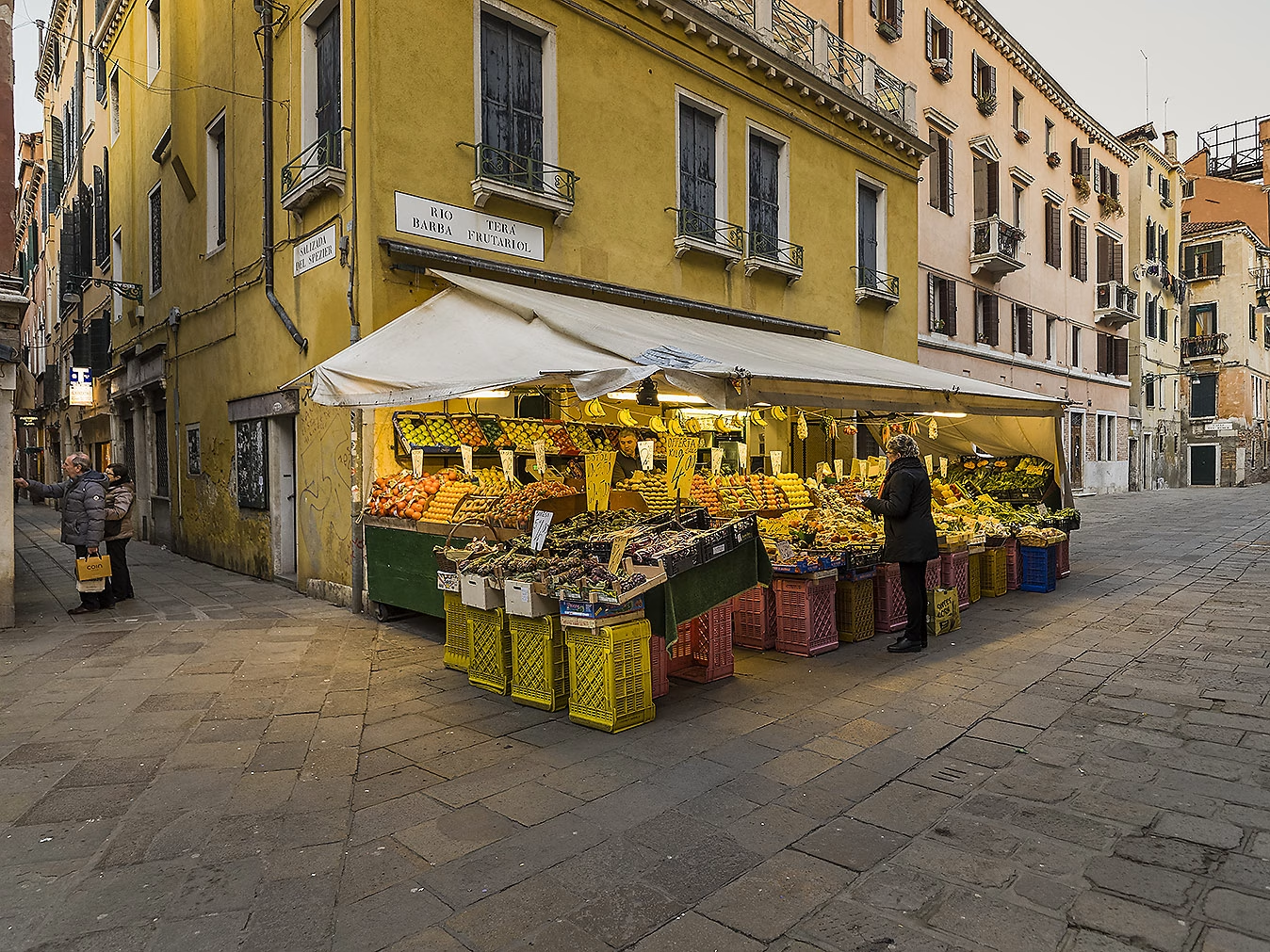
The market connects food with the physical organisation of Venice. Goods arrive through a network of boats, landings and streets; stalls sit close to the canal because water has long been part of the supply system.
Visit during trading hours and look closely at the range, but avoid assuming that everything displayed was caught or grown in the lagoon. Venice has always relied on wider connections. Asking where an ingredient comes from is more informative than treating a market location as proof of origin.
The growing islands, especially Sant’Erasmo, provide another part of the story. Vegetables are not a minor addition to an otherwise entirely maritime cuisine. Seasonal produce from the lagoon and mainland changes what kitchens can offer. The city’s introduction to Venetian food connects these local ingredients with its longer history of trade.
For the surrounding neighbourhood, use our Rialto and San Polo walk. The market makes a particularly good beginning to a day that later includes a seated lunch, rather than a hurried snack between two timed museum entries.
Cicchetti and bacari: understand the format
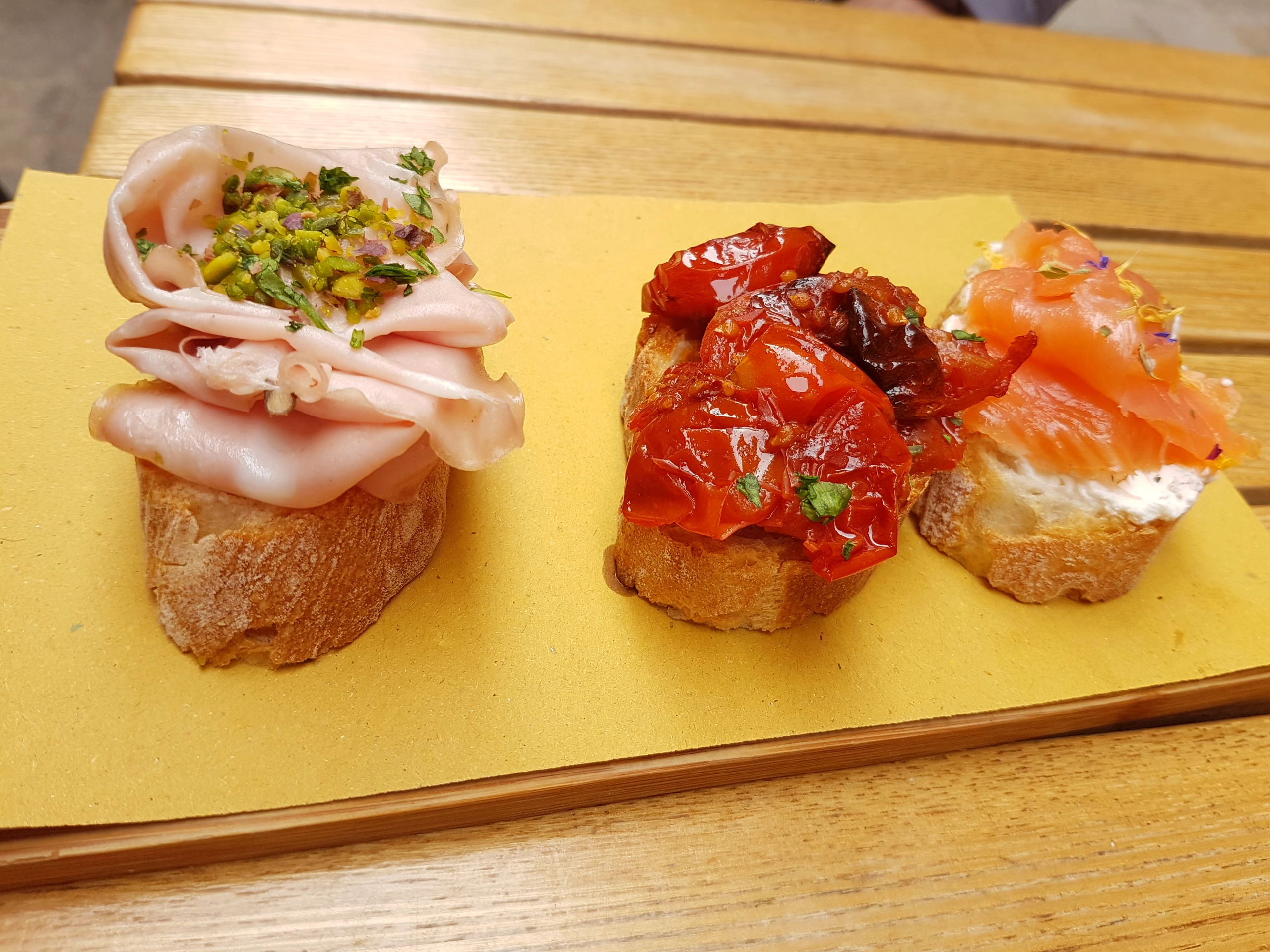
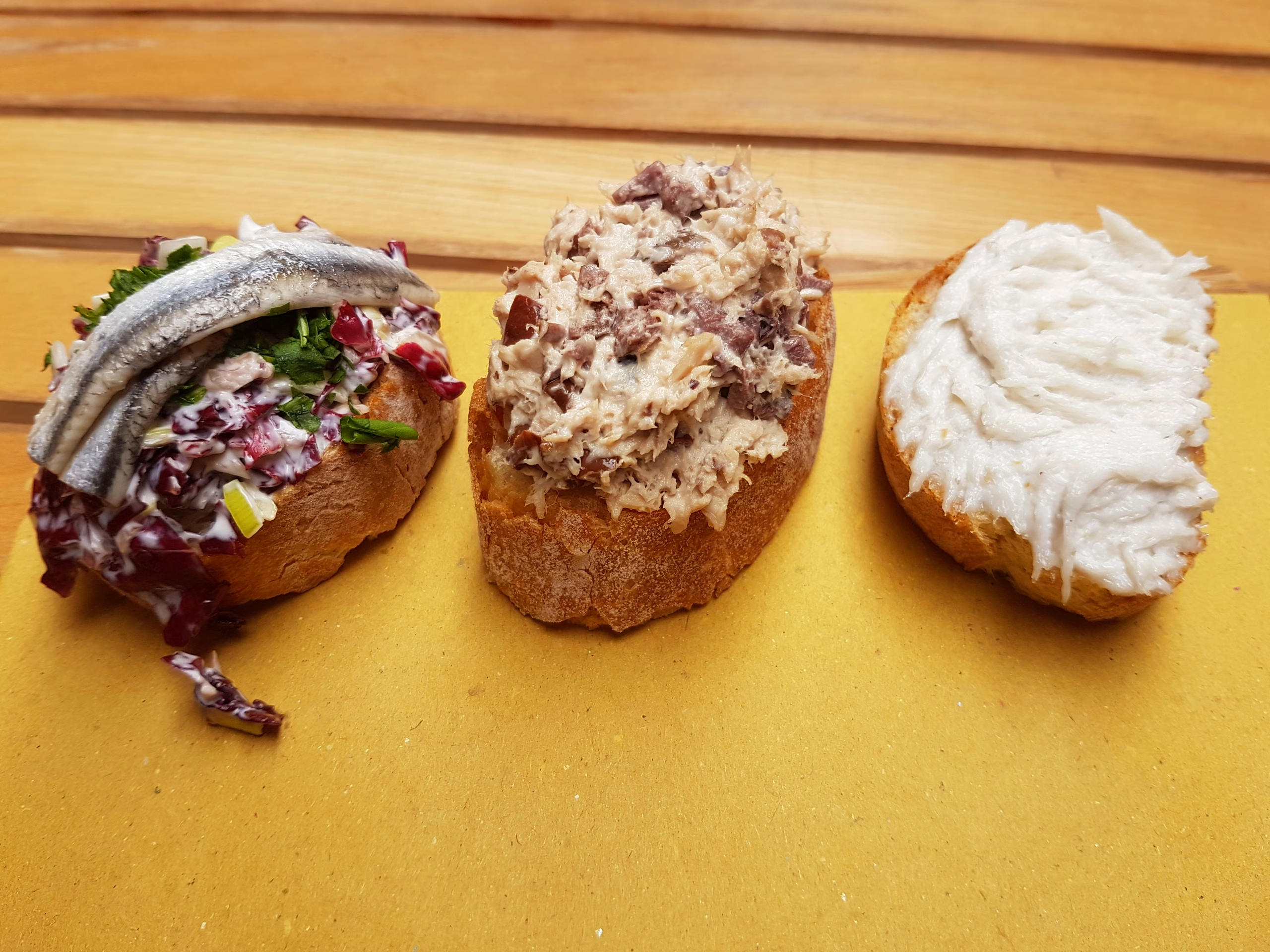
Cicchetti are small portions of food served in Venetian bars and wine bars, often at a counter. The selection might include seafood, vegetables, small sandwiches, fried items or toppings on bread or polenta. It varies by establishment and time of day.
A bacaro is associated with this informal eating and drinking culture. The word does not guarantee a particular menu, price or atmosphere, and contemporary businesses interpret the format in different ways. Look at what is actually offered and how the place operates.
Order a few things that interest you and leave room to compare. This is often more rewarding than trying to make a single counter provide a complete survey of Venetian cooking. Ask whether you order and pay at the counter, whether seating is available and how individual items are priced.
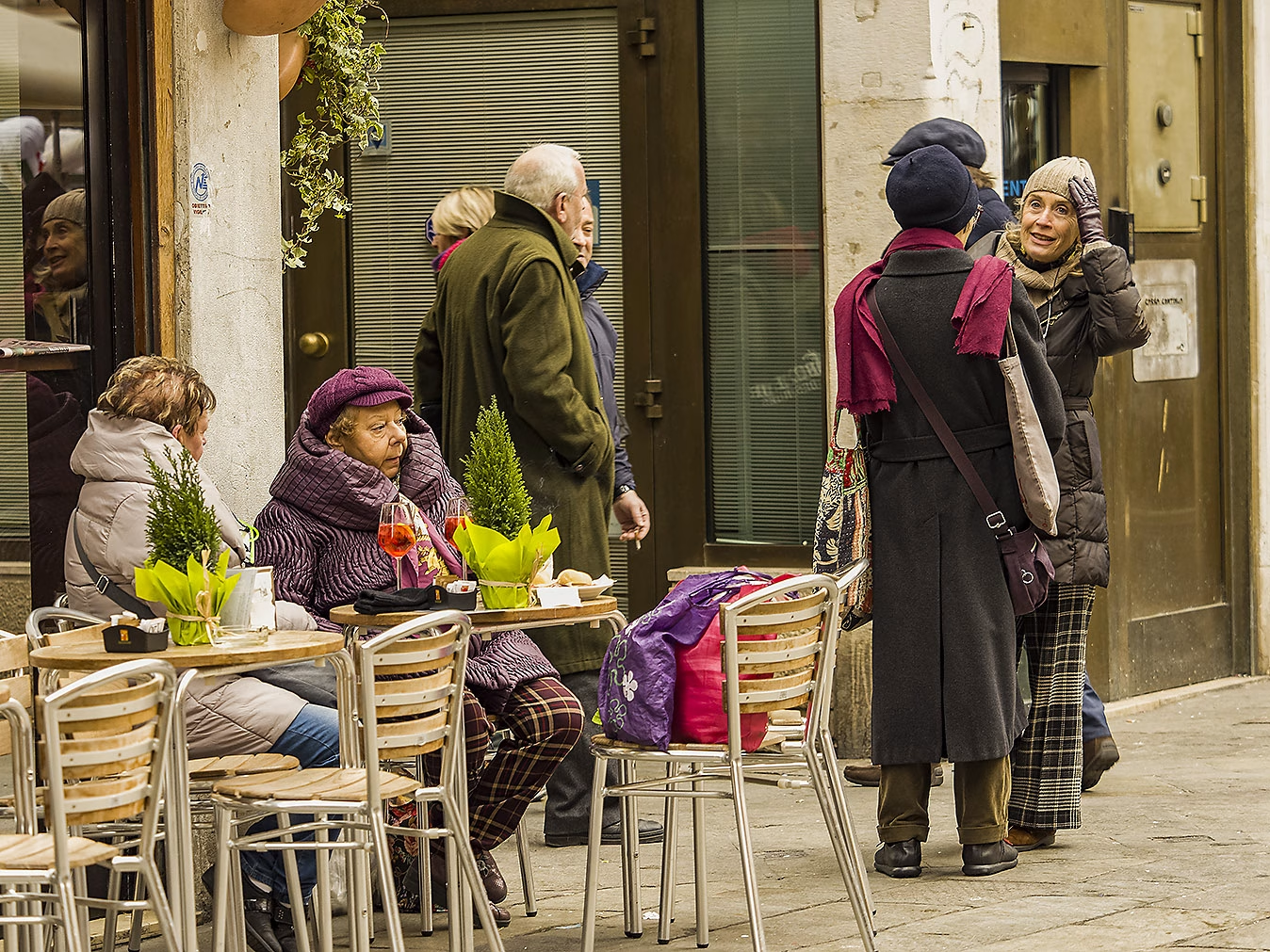
The familiar idea of an ombra, a small glass of wine, belongs to the social language of the city. Alcohol is optional: you can enjoy the food and the setting with a non-alcoholic drink. Avoid turning a neighbourhood walk into a race between bars; the point is to pause and notice where you are.
Dishes that tell you something about Venice
Sarde in saor brings together fried sardines, onion and vinegar, often with raisins and pine nuts. Its sweet-and-sour balance is immediately distinctive. It also invites a useful conversation about preservation, trade and the ways practical cooking develops into a recognisable regional taste.
Baccalà mantecato requires a small piece of translation. In Venetian usage, the dish traditionally uses stockfish: cod dried by air, rather than simply the salted cod that the word baccalà may suggest elsewhere in Italy. It is worked into a creamy preparation, commonly served with polenta or on bread. The ingredient itself is a reminder that a lagoon cuisine can depend on fish from far beyond the lagoon.
Bigoli in salsa pairs a thick pasta with a savoury onion and fish sauce. It is a good example of how a small number of ingredients can create a distinct dish without elaborate presentation. Preparations vary, so ask the restaurant about its version rather than expecting one identical plate everywhere.
Risotto also belongs in the regional picture. A well-made version is about the rice, stock, texture and timing as much as its named ingredient. If a restaurant prepares it for a minimum number of diners or asks for waiting time, that can reflect how the kitchen cooks it. Check the menu before assuming it will be an immediate single-person order.
Let the season influence the meal
The lagoon and its growing islands do not produce an unchanging menu. Sant’Erasmo’s violet artichokes and their tender first buds, known as castraure, are associated with a particular seasonal moment. Their appeal lies partly in that limited availability.
Likewise, moeche, soft-shell crabs caught during moulting periods, are a seasonal speciality rather than something to demand at any time of year. If offered, ask how they are prepared and how the portion is priced. A seasonal dish can be an interesting choice without being compulsory.
Vegetable dishes, soups and simple pasta preparations can make a satisfying counterpoint to seafood. Travellers with dietary requirements should discuss ingredients directly with the restaurant: a dish that looks vegetable-based may use fish or meat stock, and sauces can contain ingredients that are not obvious from a short menu description.
Choose restaurants by the meal you want
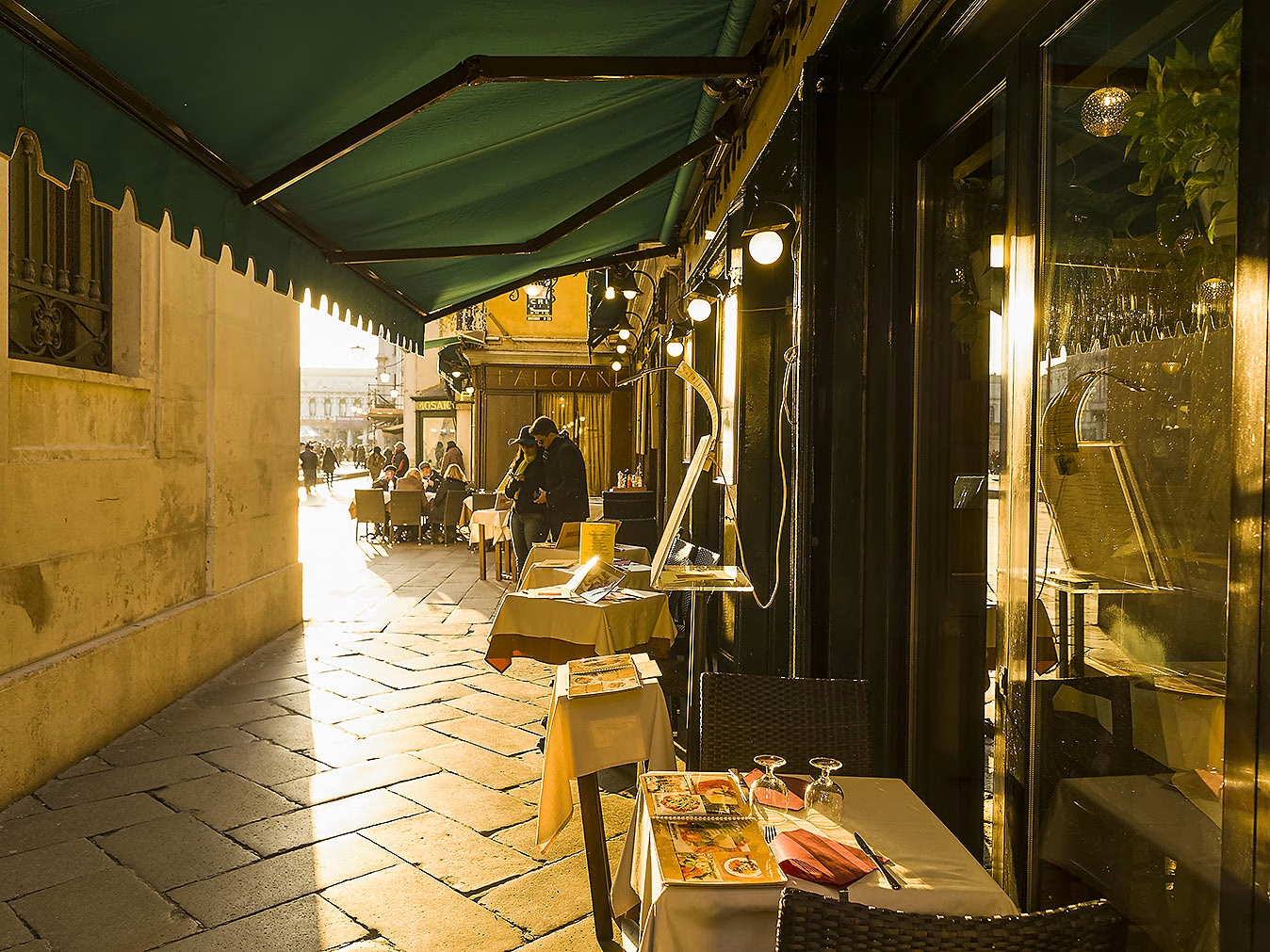
Decide whether the occasion calls for a quick counter stop, a relaxed neighbourhood dinner or a longer meal with a view. These are different purchases. A waterfront table may be worthwhile for its setting, but the setting alone does not tell you about the cooking.
Read the menu, look for a clear explanation of prices and ask about anything charged by weight. For a whole fish, understanding the approximate size and total cost before ordering is more useful than comparing only the price per unit. Check any stated cover charge and the distinction between counter and table service where relevant.
A concise menu can make it easier to understand the kitchen’s focus, though length alone is not a quality test. Seasonal suggestions, clear provenance and staff who can explain a preparation are more helpful signals than a vague promise of “traditional” food.
Reserve when a particular restaurant or evening matters to your stay. Otherwise, keep some flexibility close to your hotel so that dinner does not require another long walk after a full day. The location of your accommodation influences your evening experience as much as your sightseeing routes.
Give food a place in the wider itinerary
One useful pattern is a market morning in San Polo, a modest lunch and a more deliberate dinner. Another is a lagoon excursion with a booked island lunch, provided the return boats and visiting times leave enough margin. Do not treat every meal as something to fit into whatever gap remains.
For a longer stay, vary the format: a bacaro stop, a seafood-focused meal, a vegetable-led lunch and an evening chosen for its setting. That produces a fuller impression than repeatedly ordering the same celebrated dish.
Read the lagoon island guide if you want to connect food with Burano or the wider waters, and how Venice works to understand the supply network you see around the markets. Food then becomes another way of reading the city, with the ingredients, labour and geography still visible on the plate.
Make Venice part of your holiday
Bring Venice’s food, markets and neighbourhoods into a holiday shaped around your interests, with time to sit down and enjoy them.
Venice and lagoon photography by Vittorio Sciosia (2016), except the additional photographs and artwork reproductions credited individually above. Additional images retain their full compositions and are resized for web display.



 Facebook
 WhatsApp channel