


Santa Maria Maggiore: Painters, Perfume and Alpine Life
An art school, the memory of the chimney sweeps and a link to Eau de Cologne: discover the people and traditions that distinguish this village in the Italian Alps.
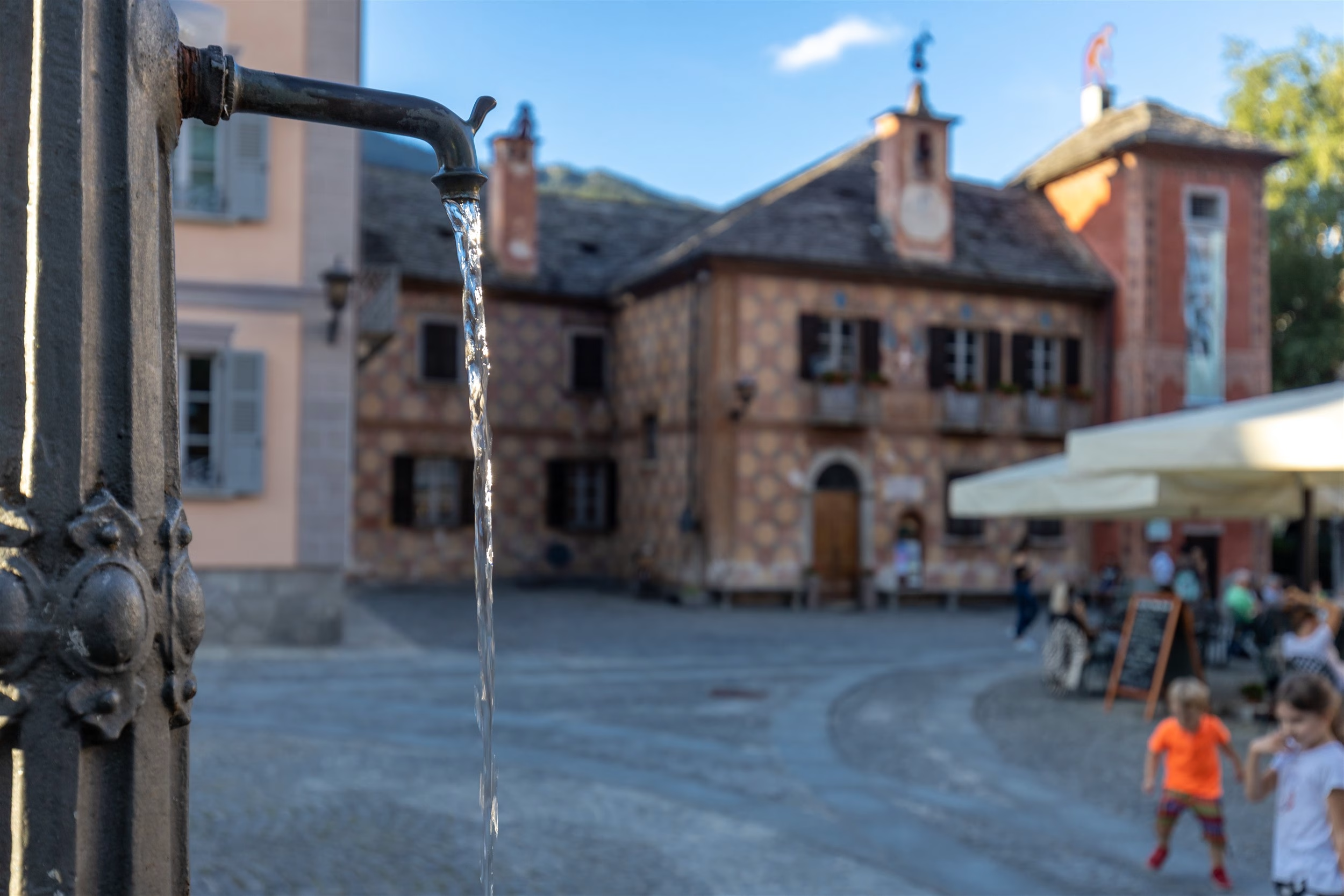
Santa Maria Maggiore’s main square during the International Chimney Sweep Gathering. Photograph: Susy Mezzanotte.
In this article
A village shaped by painters and emigrants
Santa Maria Maggiore’s identity is unusually specific: an Alpine village with an art school, a chimney-sweep museum and a perfume story that reaches as far as Cologne. Come for the paintings and the stories of those who left the valley to work abroad; stay for its decorated façades, local food and walks towards Crana and Buttogno.
At 831 metres, it occupies the highest point of the railway between Domodossola and Locarno. The broad valley floor, wooded slopes and cluster of villages give this part of the journey a different character from the narrower gorges further east. The historic centre and its museums are within a short walk of the station.
The village’s story reaches well beyond the mountains. Generations left the valley to work abroad as chimney sweeps, painters and merchants. Its museums explain the hardship, skills and success behind that migration; the substantial houses and decorated churches add a visible counterpart.
Painters, chimney sweeps and perfume
Begin around Piazza Risorgimento and the parish church, then choose the museum that most interests you. The three collections are small enough to combine, but each explains a different aspect of life in the valley.
The Chimney Sweep Museum
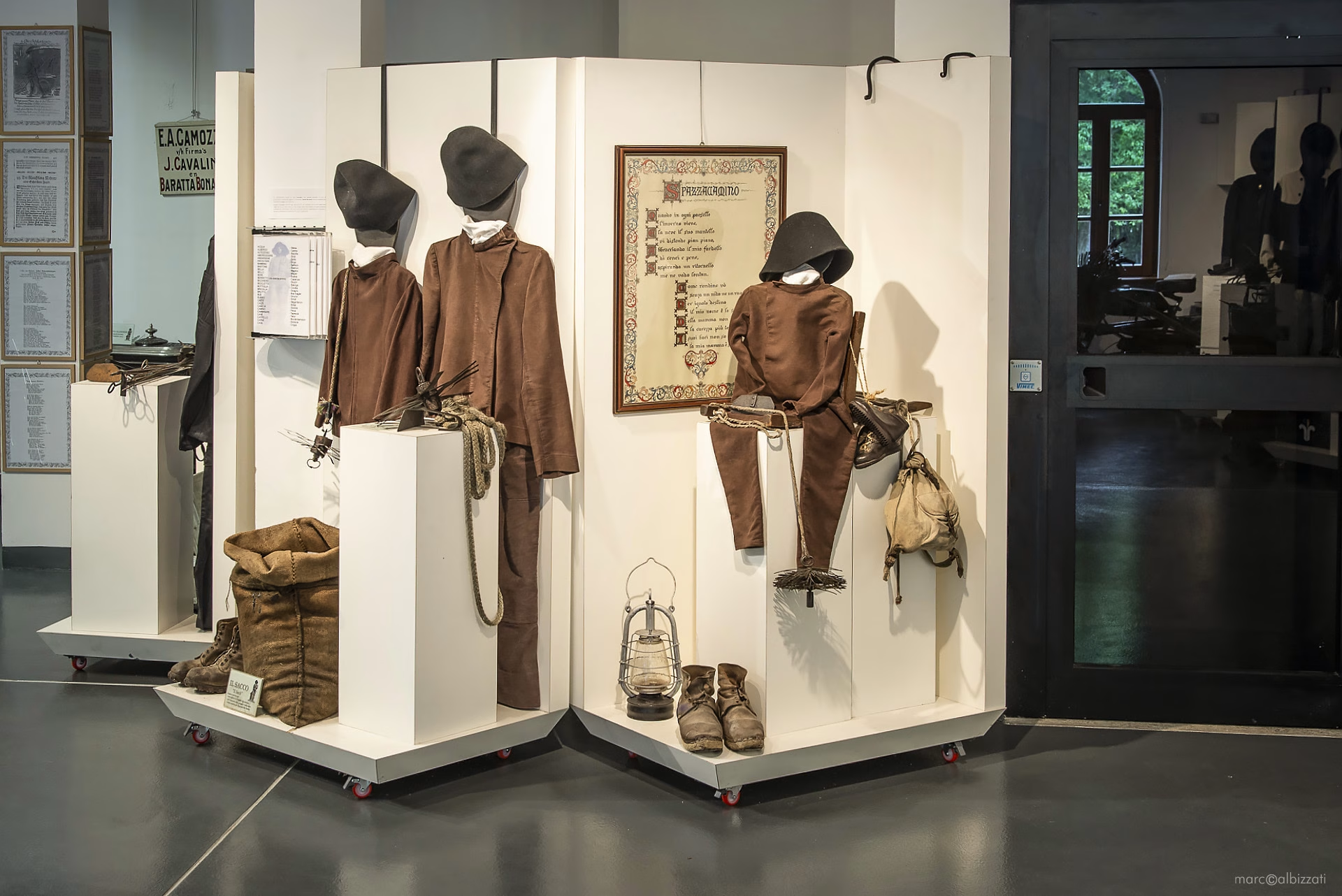
In the park of Villa Antonia, the Museo dello Spazzacamino tells the story of a trade closely associated with the Valle Vigezzo. Tools, clothing and accounts of migration explain both the harsh lives of the young chimney sweeps and the fortunes made by some families abroad. This is the strongest starting point for understanding the social history behind the village’s attractive appearance.
That history remains part of village life. The International Chimney Sweep Gathering brings the trade’s traditions into the streets each September. The opening photograph shows the square during the gathering; on an ordinary day, the museum is the place to explore its history.
Rossetti Valentini: the Valley of Painters
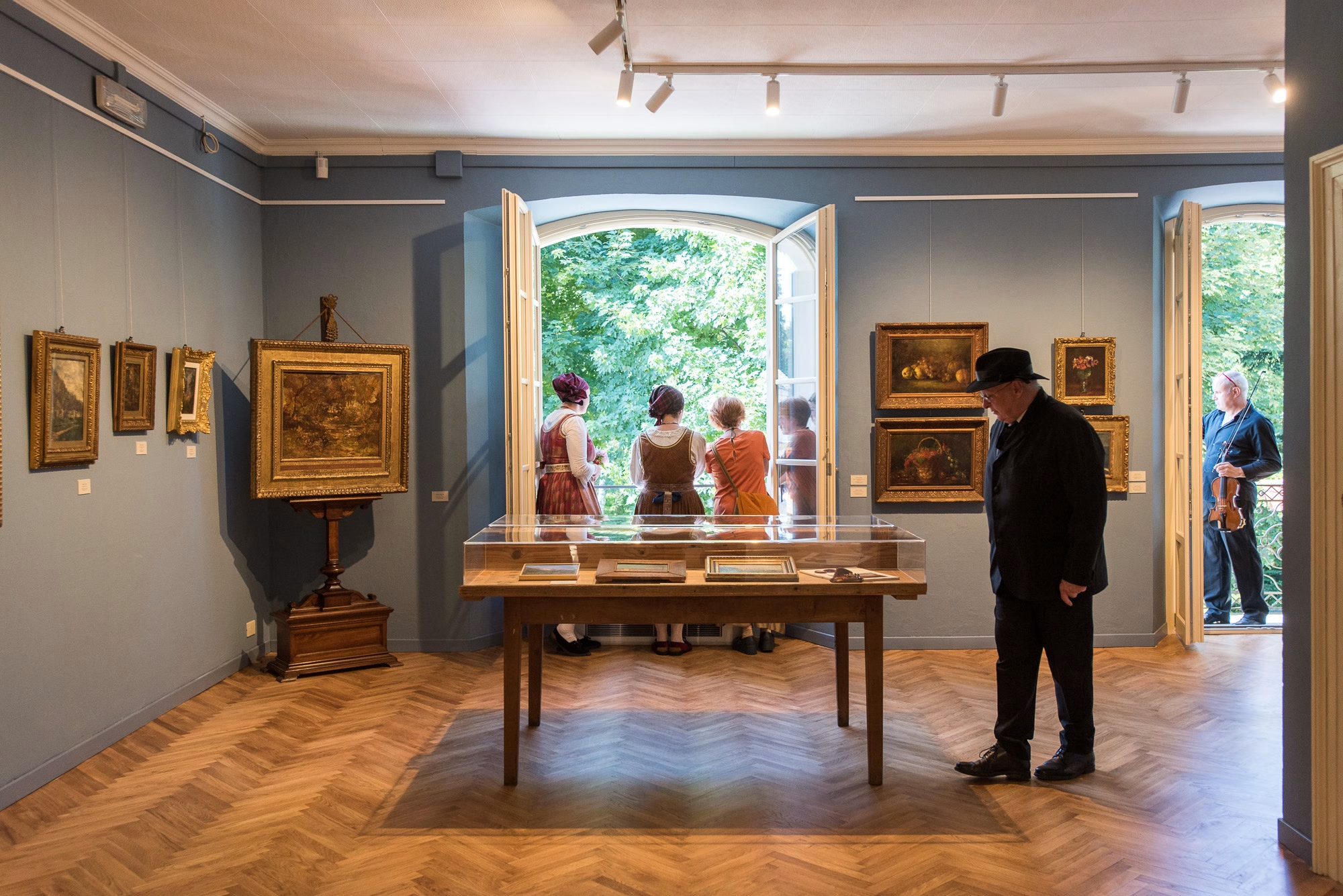
The Scuola di Belle Arti Rossetti Valentini gives substance to the valley’s name, Valle dei Pittori. Founded in 1878 by a local artist who had worked in France, it taught drawing and painting to young people from the valley. Portraits and landscapes connect local subjects with artistic careers beyond the Alps, including those of Enrico Cavalli and Carlo Fornara.
The school remains active, with courses and temporary exhibitions alongside its artistic heritage. Choose it if paintings, artists’ lives and the relationship between a landscape and its representation interest you.
Casa del Profumo: a connection with Cologne
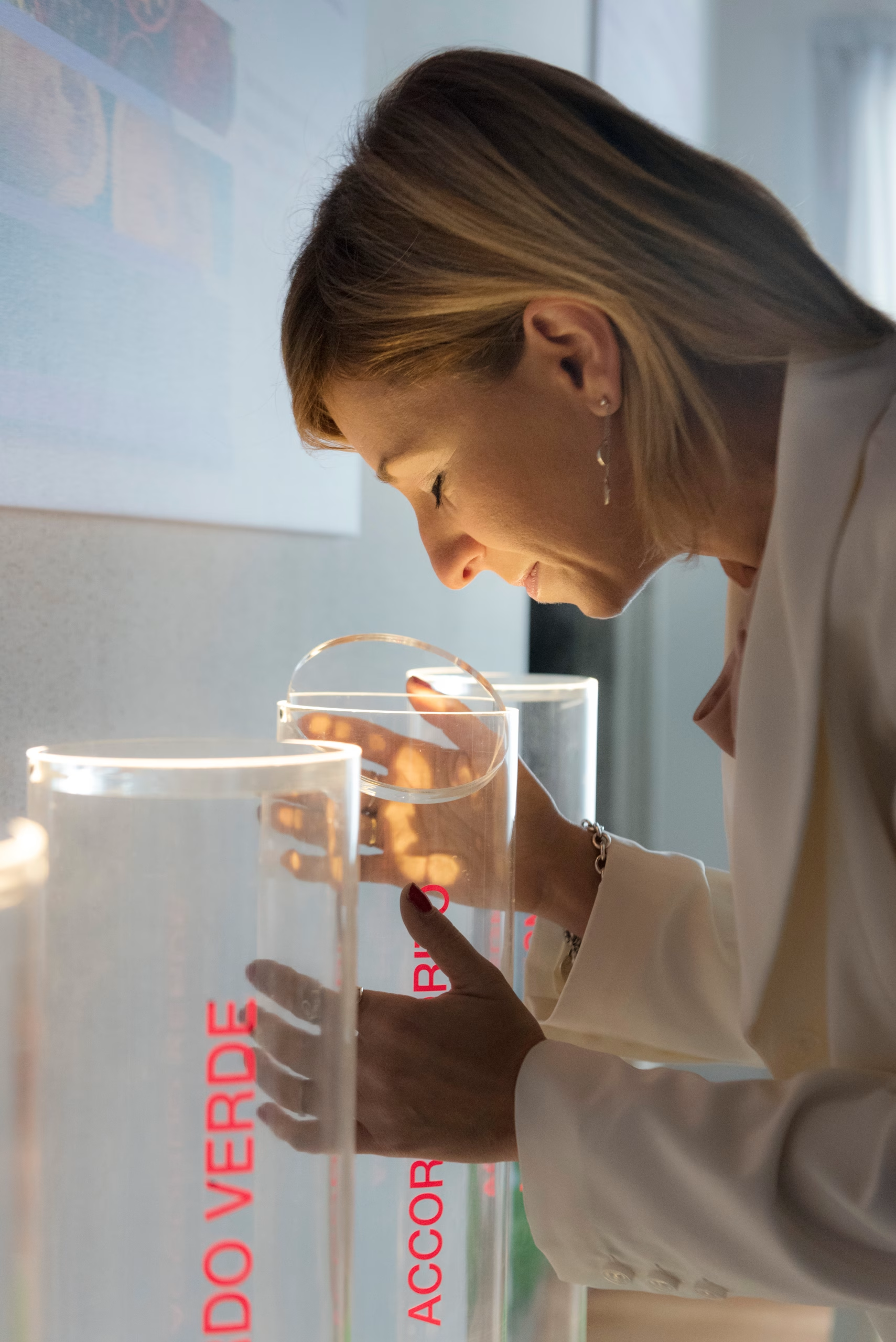
Casa del Profumo Feminis–Farina explores the valley’s links to the history of Eau de Cologne through the emigrants Giovanni Paolo Feminis and Giovanni Maria Farina. Its displays combine the story of migration and enterprise with aromas and the ingredients of perfume. It adds an unexpected dimension to a mountain village visit.
Check the individual calendars before choosing your day: Chimney Sweep Museum, Rossetti Valentini and Casa del Profumo. Seasonal weekday openings differ, so arriving by train does not necessarily mean all three will be open.
Choose a walk that adds to the village
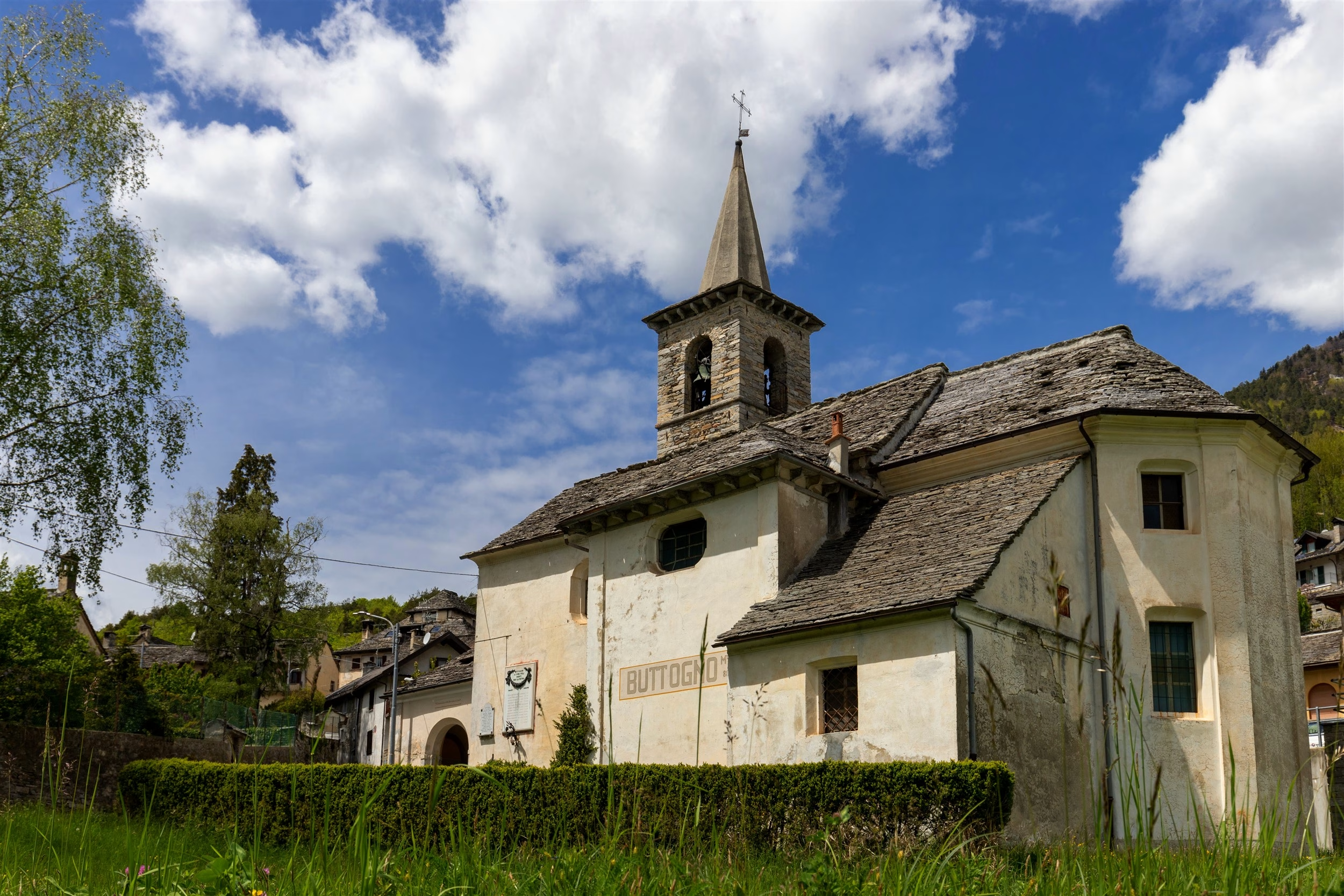
A walk through the centre can be extended into Crana and Buttogno, the neighbouring hamlets. Here, rural buildings, painted façades and churches make the history of the valley part of the walk itself.
Sentieri e Pensieri: history at walking pace
The local Sentieri e Pensieri route identifies 26 points of interest across Santa Maria Maggiore, Crana and Buttogno. Use it as a menu of places to explore: a few stops around the centre work well with a museum, while the hamlets make a fuller outing. Download the official village and hamlet maps to choose your route.
A longer circuit towards Druogno
For a more substantial valley walk, Druogno’s municipal itinerary links Gagnone–Orcesco station, Druogno, Santa Maria Maggiore and Buttogno, with a published walking time of approximately two and a half hours. Allow additional time for village stops and lunch. Consult the route description for its start, stages and return connection.
These village and valley walks are the most straightforward additions to a rail visit. A higher mountain route deserves its own day, with the ascent and terrain matched to your walking experience.
Piana di Vigezzo from Prestinone
The gondola at Prestinone offers a different way to experience the valley: rising above the villages into a mountain landscape of meadows, woodland and wider views. Choose it when the mountains are the main purpose of your day, or as an additional outing during a longer stay.

The lower lift station is in Prestinone, a separate stop along the railway. Plan that connection specifically, rather than treating the lift as part of the compact Santa Maria Maggiore museum circuit. At the top, a short visit around the lift arrival and a longer hike require different amounts of time.
Use the lift operator’s calendar to confirm operation and the final descent for your date. The published summer timetable should not be assumed to apply in autumn. For a longer walk, choose a named route and check its current conditions before setting out.
A balanced day in Santa Maria Maggiore
Morning: village and culture
Arrive by train, walk into the centre and visit your preferred museum during its morning opening. Continue around the church and Piazza Risorgimento before lunch.
Afternoon: choose your pace
Follow part of the route towards Crana or Buttogno, or stay in the centre for a second museum and time in Villa Antonia’s park. Keep a comfortable margin for your return train.
A taste of Valle Vigezzo
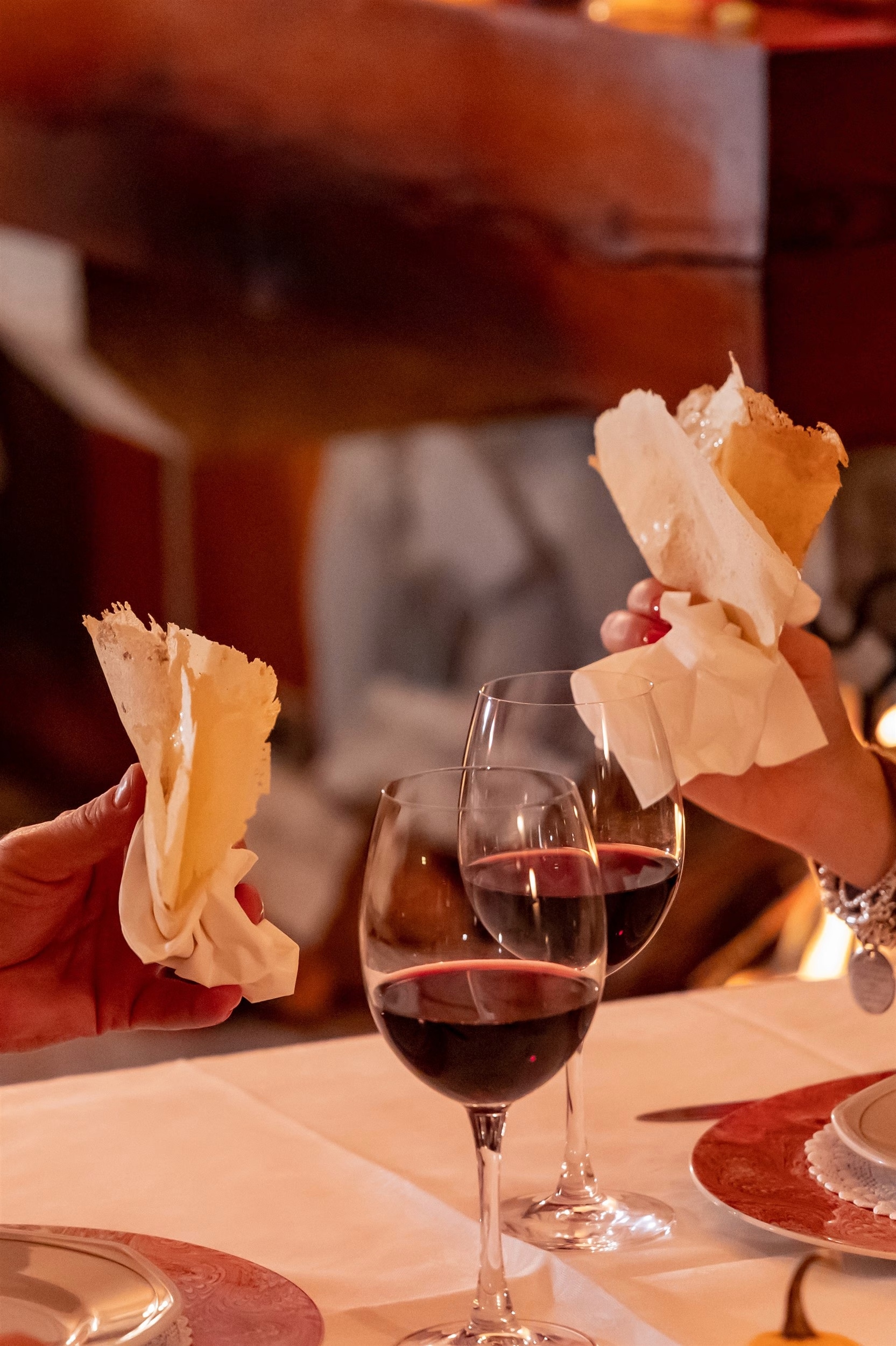
Look for the valley’s smoked prosciutto vigezzino and local cheeses. At festivals, stinchéet are a distinctive speciality: thin sheets of flour-and-water batter cooked on a hot plate, then buttered and salted. Their preparation is part of the occasion, so do not assume they appear on every restaurant menu.

For something sweet, look for fiacia, the valley’s butter-rich shortcrust cake. These local specialities make a food stop part of understanding the place.
Our recommendation: allow roughly four to six hours in the village for a museum, lunch and a walk, in addition to your train journeys. If you want all three museums, let their opening hours shape the day and keep the walk short.
Getting here and choosing the season
From Domodossola
Take the Vigezzina–Centovalli railway towards Locarno and get off at Santa Maria Maggiore. The central museums are around 300 metres from the station, making this a straightforward independent excursion. Check the railway’s current services and ticket conditions when planning the outward and return journeys.
From Stresa and Lake Maggiore
From Stresa, travel by main-line train to Domodossola, then change to the Vigezzina. Santa Maria Maggiore works well as the focus of a day trip returning the same way. If you also want to travel through the Centovalli to Locarno, allow less time in the village or give the railway a separate day.
Our Vigezzina–Centovalli guide explains the wider journey and possible stops. For other days based on the lake, see day trips from Stresa.
Woodland colours and village events
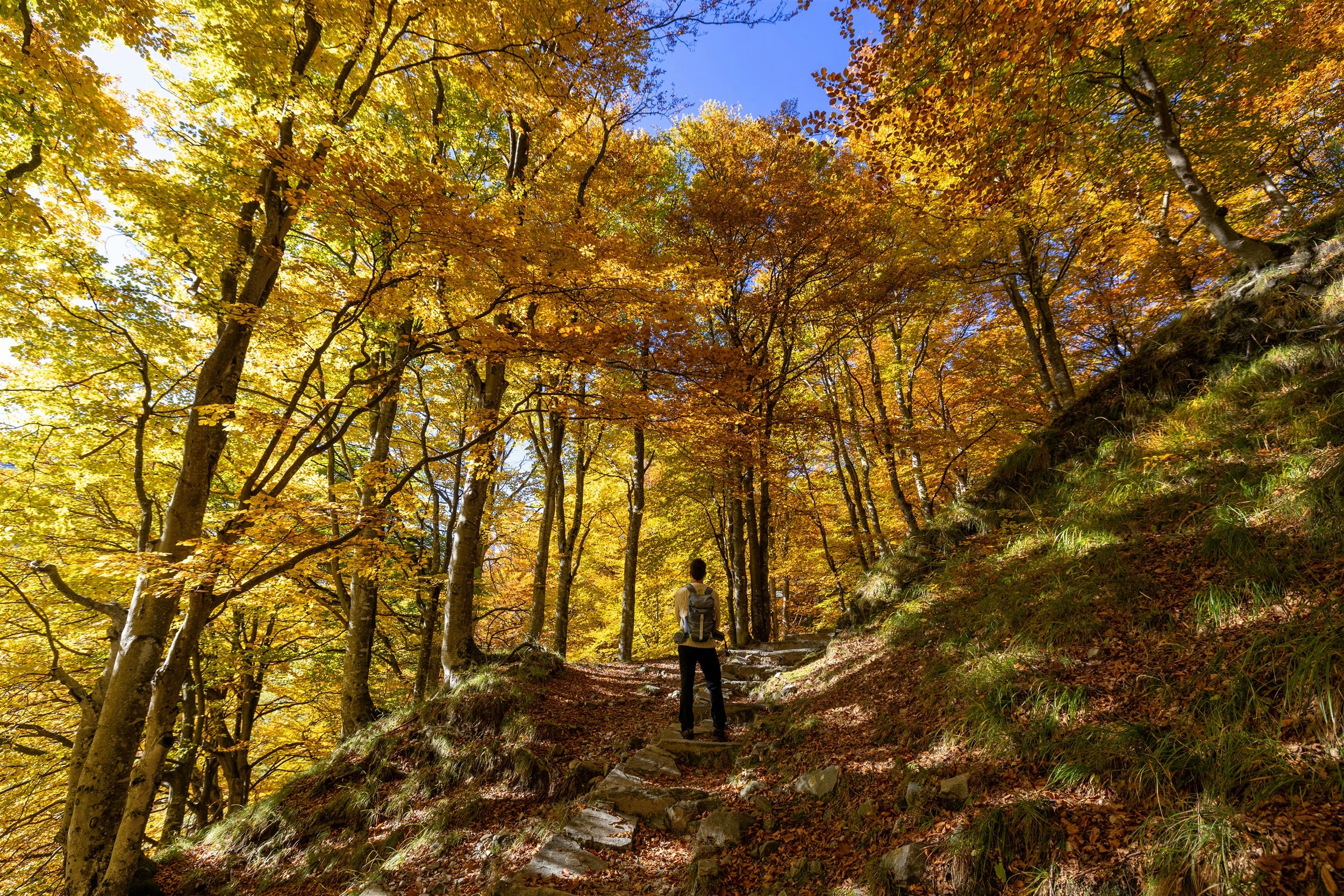
Summer suits longer days outdoors and combining the centre with a walk. Autumn brings changing woodland colours to the rail journey and surrounding slopes, with the timing varying each year. Check museum opening days as carefully as train departures when travelling outside the main summer season.
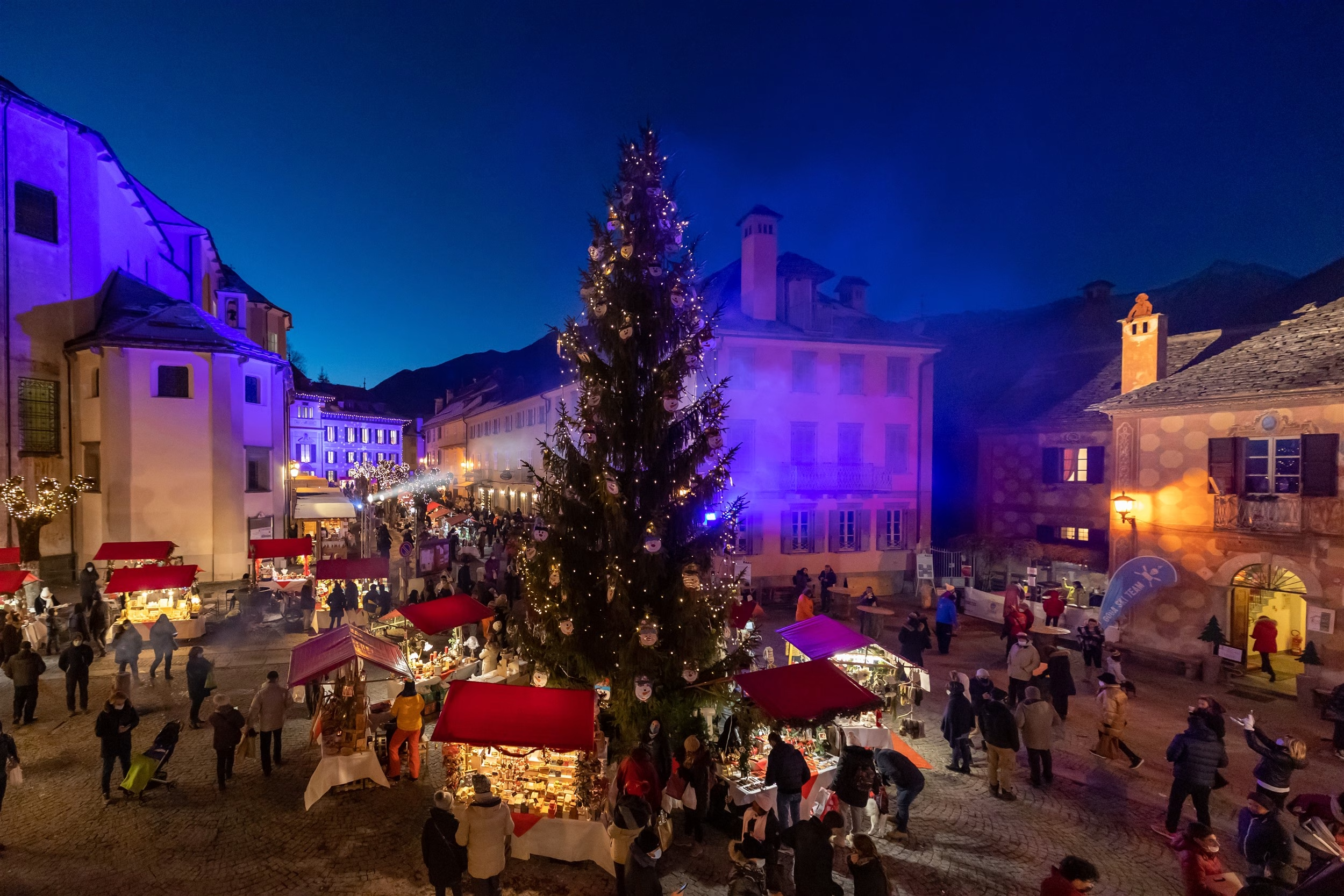
The International Chimney Sweep Gathering in early September, the autumn pumpkin festival Fuori di Zucca and the Christmas markets each give the village a different character. Consult the official events programme for dates and make the event the focus of the day.
Lake days and valley excursions
A stay in Stresa combines this mountain village day with the Borromean Islands, gardens and time by the water. If exploring several Vigezzina villages is a priority, a few nights in Domodossola reduce the travelling each day; Da Sciolla provides a base in its historic centre.
Our Milan, Domodossola and Lake Maggiore holiday shows how city, valley and lake stays can work together. Explore Lake Maggiore holidays for accommodation and wider planning.
Tell us whether you are drawn to the village’s history, shorter walks or full mountain days. We can shape the bases and rail journeys around the way you want to spend your time.
Photographs: Susy Mezzanotte, Francesco Lillo, Marco Albizzati and Marco Benedetto Cerini. Individual credits appear beside each photograph.



 Facebook
 WhatsApp channel