


A palace on an island, a mountain panorama, a railway into the Alpine valleys and the home of the Italian moka: Stresa offers much more variety than its lakeside setting first suggests.
Choose your outings for their differences. Isola Bella brings gardens and grand interiors; Lake Orta has intimate squares and a small monastic island; Omegna adds the story of Italian design. Mottarone puts the lakes into perspective, while the Vigezzina railway takes you into a landscape of villages, woods and mountain slopes.
In this article
Seven outings, at different paces
Stresa works well for a week in one place. You can alternate fuller days with time on the waterfront, a long lunch or an afternoon at your hotel. The suggested durations below allow time to enjoy each outing; they are planning guides, not fixed excursion schedules.
| Outing | Allow | Best approach from Stresa |
|---|---|---|
| Isola Bella | Half a day; longer with another island | Boat |
| Orta & Isola San Giulio | A full day with lunch | Car or private driver, then boat |
| Omegna & Bialetti | Half a day, or part of a Lake Orta day | Car or private driver |
| Mottarone | Half a day for views and a short walk | Road transfer; choose clear weather |
| Domodossola & the Vigezzina | A full day | Mainline train, then scenic railway |
| Santa Caterina del Sasso | Half a day, subject to sailings | Boat when the timetable suits |
| Arona | A relaxed half-day | Regional train |
Isola Bella: a palace and garden shaped as one
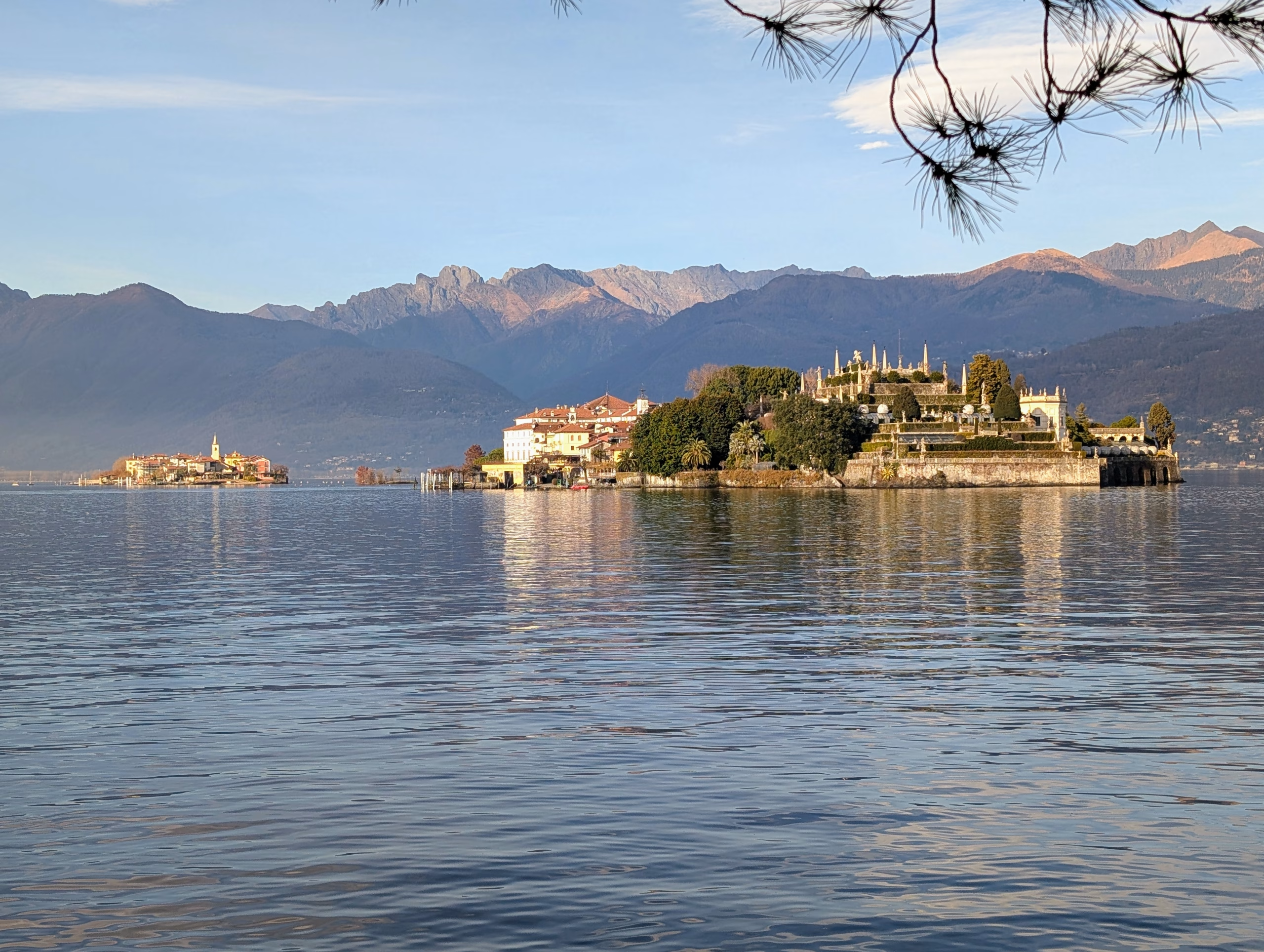
Isola Bella is the most natural first outing from Stresa. Seen from the shore, its palace and rising garden terraces seem to occupy almost the whole island. The Borromeo family transformed it during the seventeenth century, creating a Baroque composition in which architecture, planting and views of the lake work together.
The pleasure is in moving between the palace interiors and the garden: formal terraces, sculpture and the open water beyond. Give the visit a proper morning or afternoon rather than treating it as a quick landing between boats.
If you want a longer day, add lunch on Isola dei Pescatori. Garden enthusiasts may prefer Isola Madre as their second island. Our Borromean Islands guide explains the differences.
Plan the visit: boat transport and palace admission are separate arrangements. Check the official opening calendar before choosing your day: the palace and gardens operate seasonally. A winter view of the island does not mean its interiors are open.
Orta San Giulio and Isola San Giulio
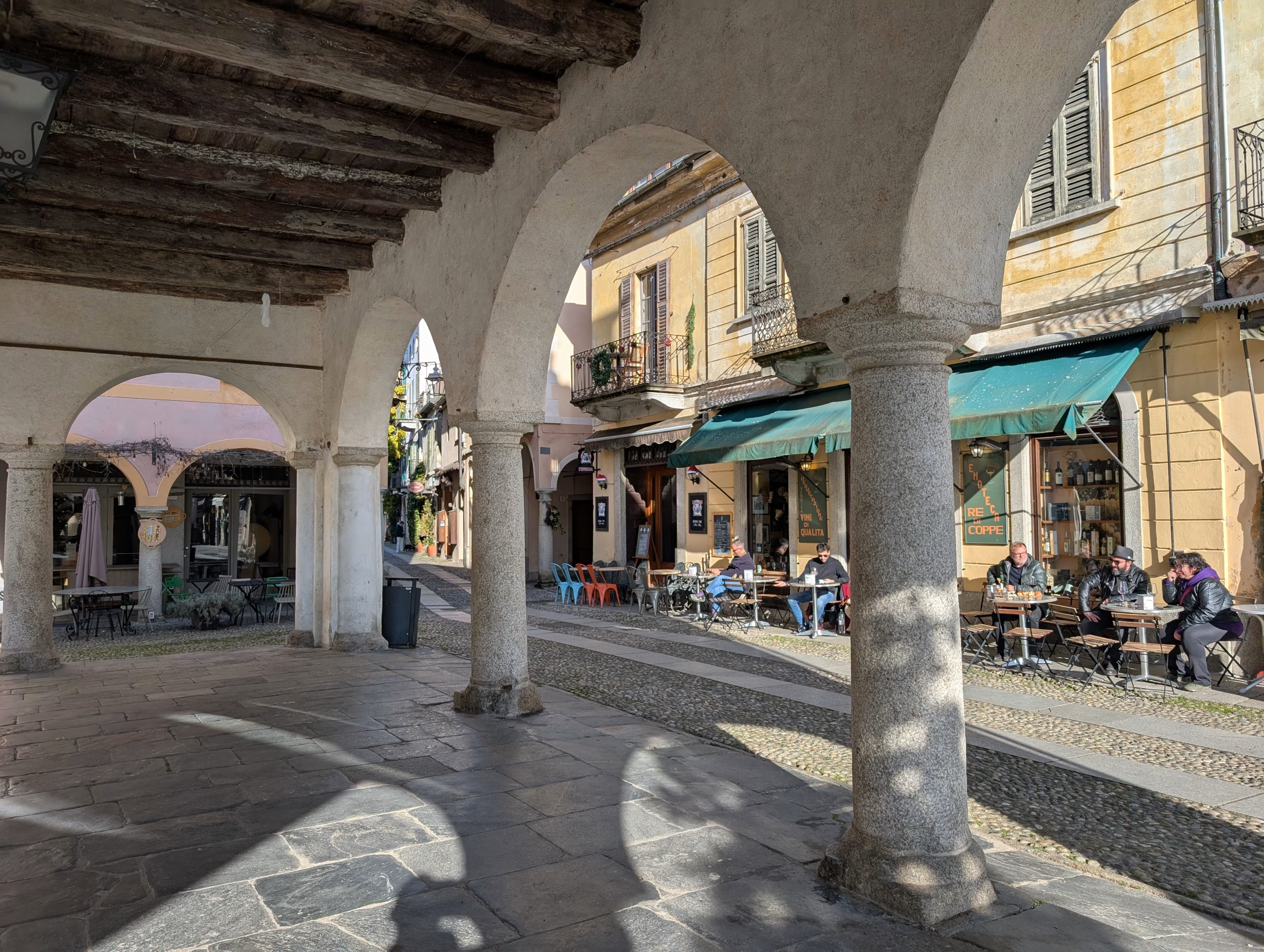
Lake Orta lies west of Lake Maggiore, on the other side of the hills. Its smaller scale makes a welcome contrast to Stresa. Begin in Orta San Giulio, where narrow streets lead down to Piazza Motta and the water. The arcaded buildings, cafés and boats give the square enough interest to justify arriving without a crowded programme.
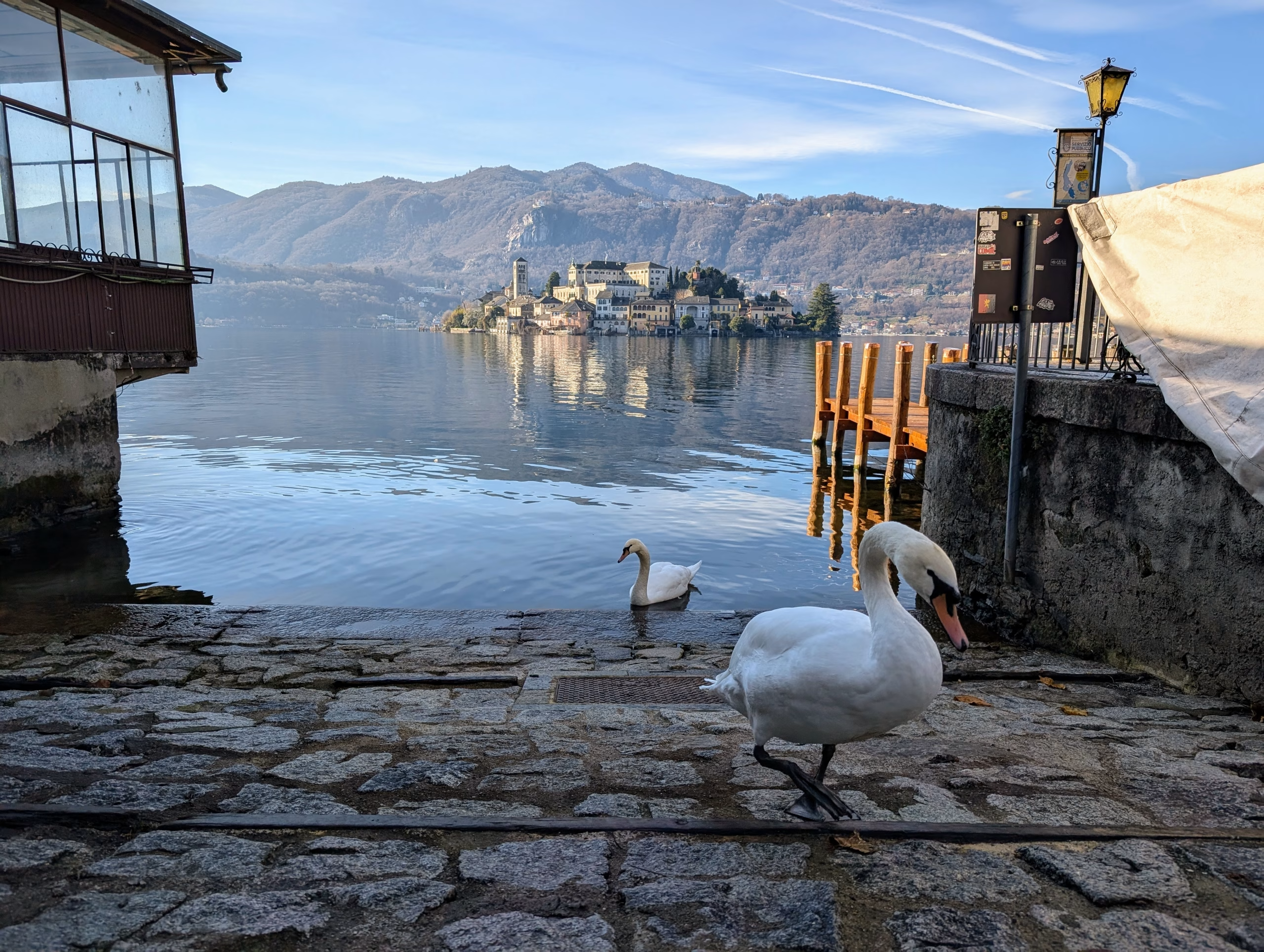
Take a boat to Isola San Giulio, just offshore. The basilica and the island’s short circuit make a compact visit, but its character is shaped by religious life as much as its setting. The large abbey remains a working Benedictine community; the public paths and basilica are the focus of a visitor’s time here.
Back in Orta, leave room for lunch and the lanes above the square. If you enjoy walking and sacred art, the Sacro Monte can extend the day, but it involves a climb and deserves time of its own.
From Stresa: a car or private driver makes this a straightforward day across the hills. Public transport is possible with a carefully checked combination of services, but there is no reason to assume a short, direct connection. Check local boat departures and the basilica’s visiting arrangements for your date. For a longer stay, read our Lake Orta guide.
Omegna: Bialetti and the story of the moka
At the northern end of Lake Orta, Omegna gives the lake a different identity. This is a town of industry and invention as well as waterfront walks: some of Italy’s best-known household objects emerged from the surrounding Cusio district.
Alfonso Bialetti opened his aluminium workshop in Crusinallo, part of Omegna, in 1919. The Moka Express followed in 1933. Its familiar faceted shape connects this small corner of Piedmont with kitchens across Italy and far beyond. Bialetti’s own history sets out that connection.
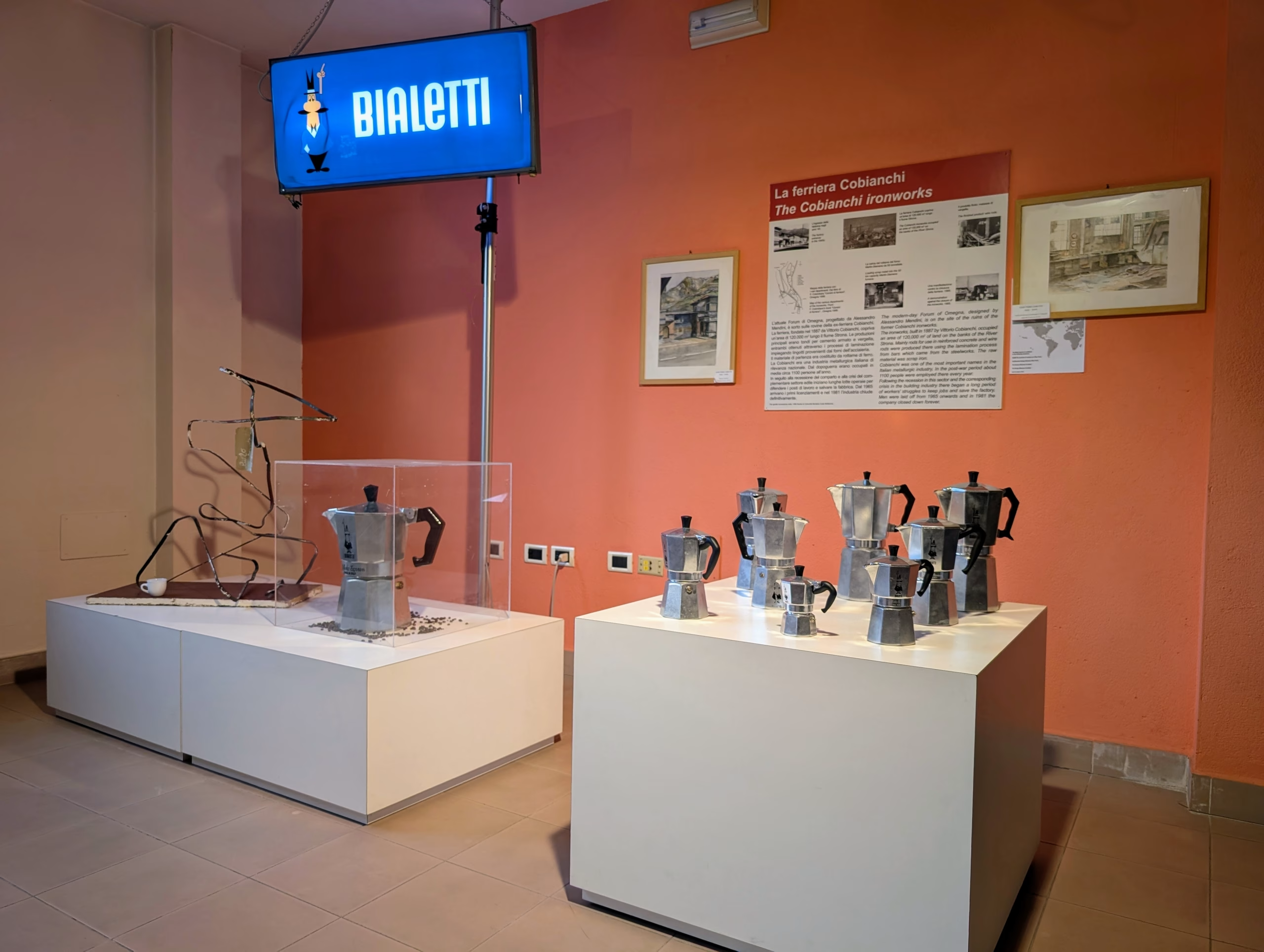
The place to explore the wider story is the Forum Omegna, home to the moca – museo omegnese del casalingo. Its household-design collection and industrial archive put Bialetti alongside the other manufacturers that helped define the area. This is a museum visit, rather than a factory tour; check the Forum’s current exhibitions and visit bookings before travelling.
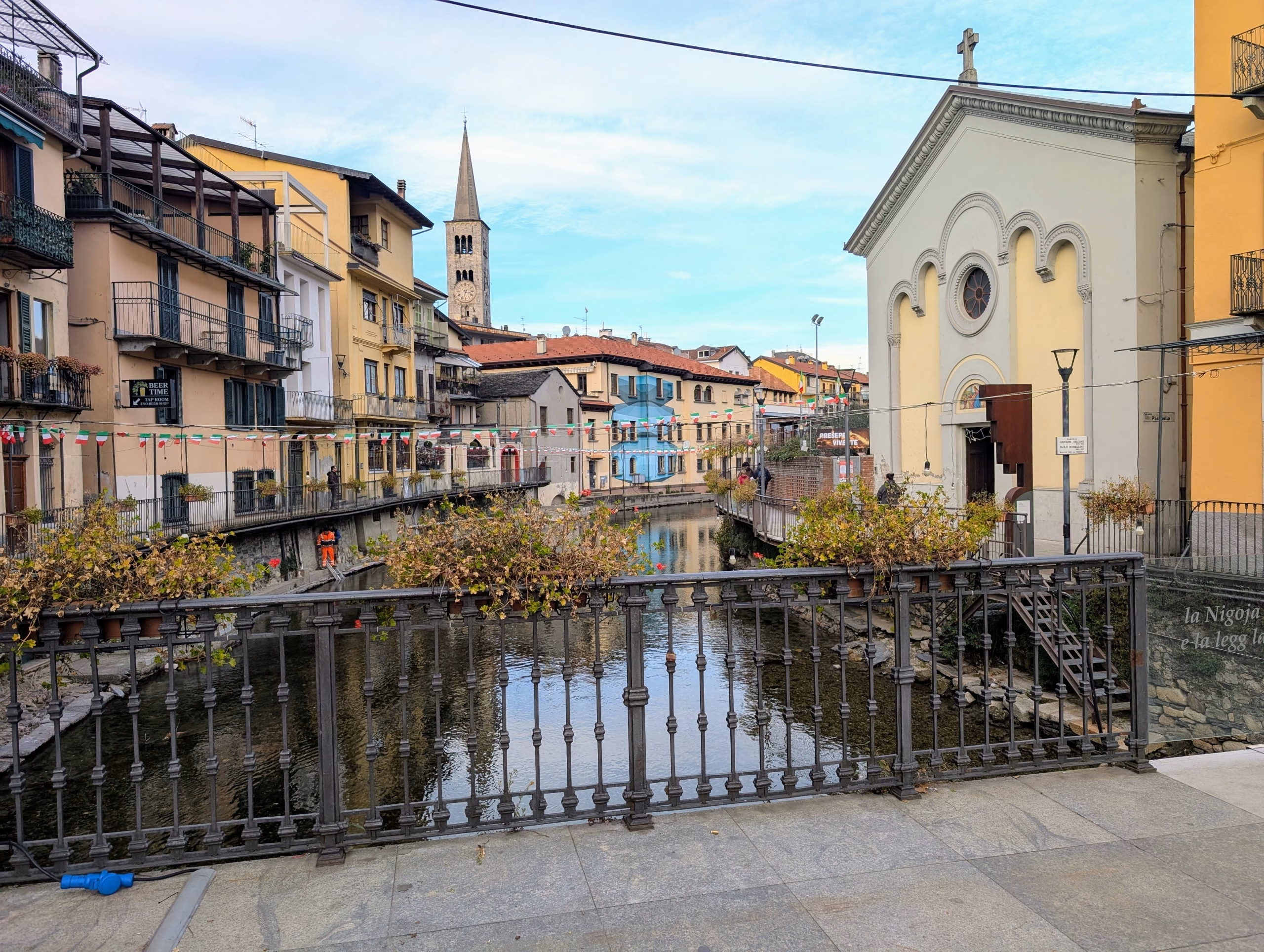
Allow time afterwards for the lakefront and the Nigoglia, the waterway running through the town. Omegna works particularly well for anyone interested in design, manufacturing or the history of familiar objects. It can share a day with Orta San Giulio if the museum booking and boat times align; keep that day focused on the two towns rather than adding Mottarone as well.
Mottarone: the view over the lakes
Mottarone rises between Lake Maggiore and Lake Orta. From the upper mountain, the islands become small markers on the water and the surrounding ridges explain how the lakes sit within the Alpine foothills. On a clear day, the panorama extends towards Monte Rosa and across several lakes.
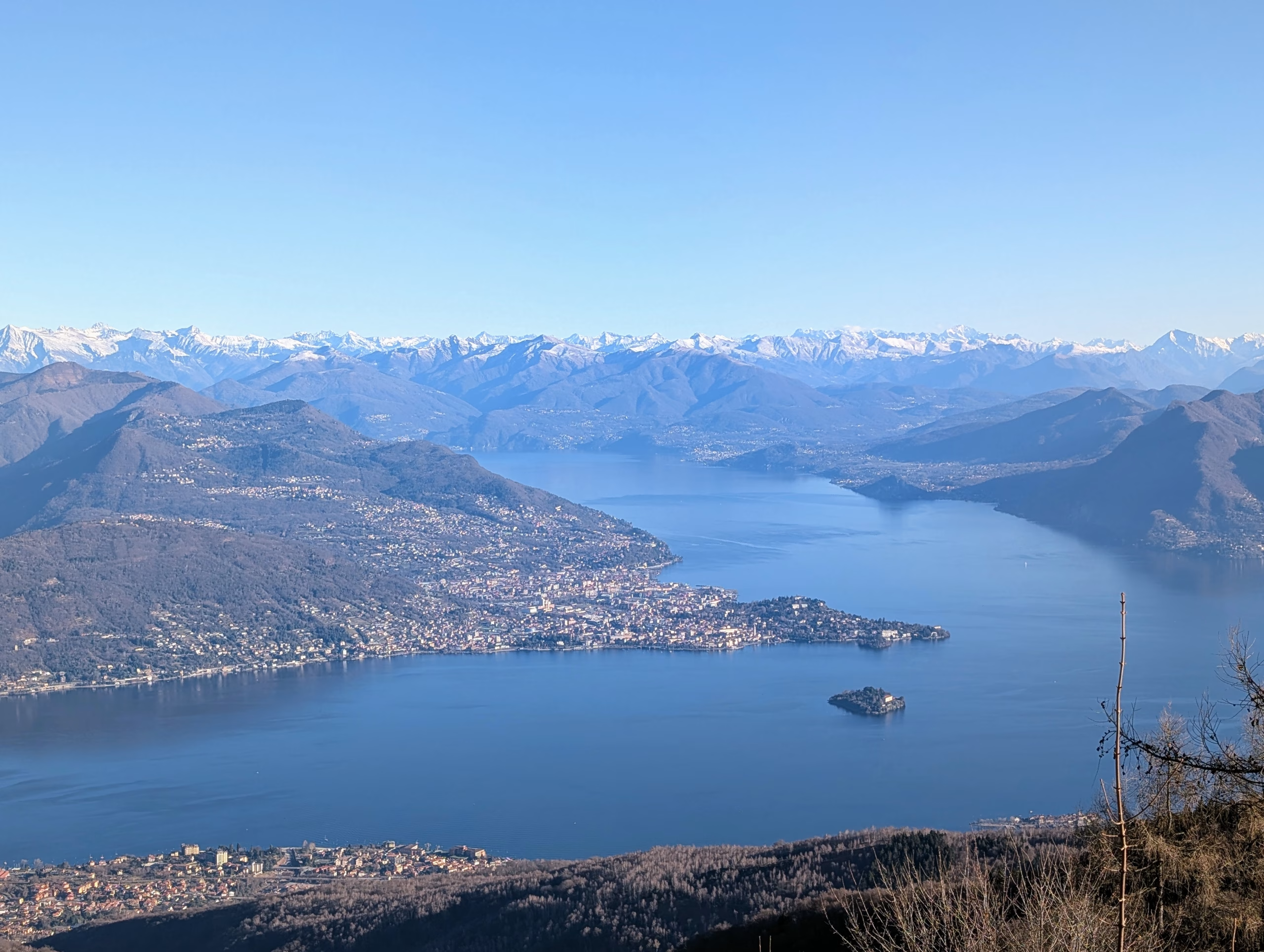
This is an outing to choose according to visibility. A clear morning gives the mountain a purpose that cloud or haze can take away. A short walk near the summit and lunch can make a satisfying half-day; a longer hike needs its own route and transport plan.
From Stresa: arrange a car or private driver towards the upper mountain, with the drop-off point, walking involved and return agreed in advance. The local tourist office describes the road approaches, including the toll road and the route from Armeno. Check road and weather conditions, particularly outside the warmer months.
Domodossola, Santa Maria Maggiore and Re
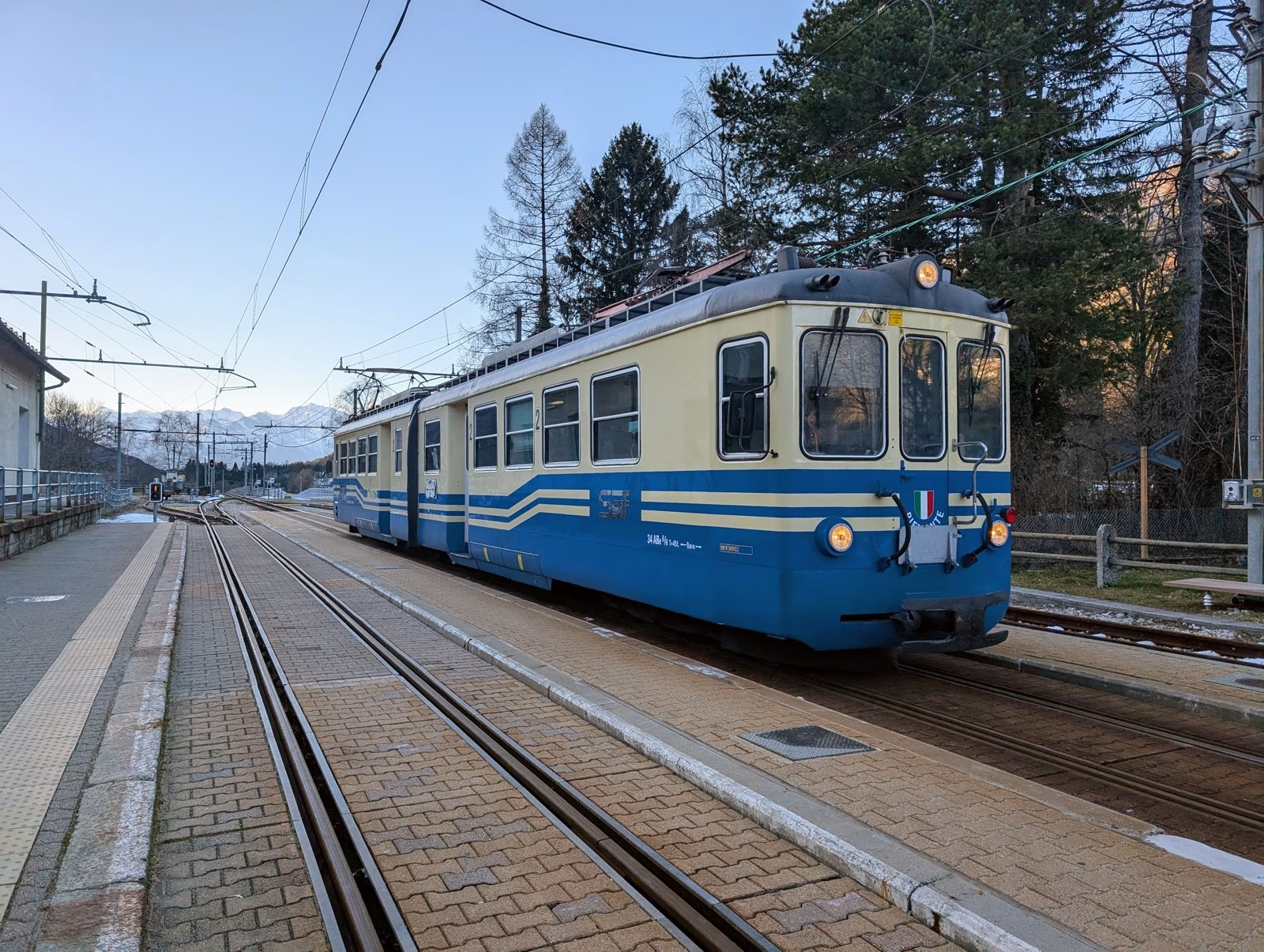
The Vigezzina outing begins with a mainline train from Stresa to Domodossola. Change here to the narrow-gauge Vigezzina–Centovalli railway, which climbs into the Valle Vigezzo before continuing towards Switzerland. You do not need to travel all the way to Locarno to enjoy the landscape and visit a village.
Domodossola: more than a change of trains
If the connections allow, leave time for the old centre and Piazza Mercato, with its arcades and historic façades. A coffee or a short walk here gives the day an urban beginning before the railway climbs into the valley. Keep luggage and station connections in mind when deciding whether to explore before or after the scenic journey.
Santa Maria Maggiore: village life and local history
Santa Maria Maggiore is a good choice for a longer stop, with a compact centre, places for lunch and museums that explain the valley’s distinctive past. The chimney-sweep museum tells a story of work and migration; the Casa del Profumo explores local links with eau de Cologne; the Rossetti Valentini art school reflects the Valle Vigezzo’s reputation as the “Valley of the Painters”. Choose one according to your interests and its opening hours. Our Santa Maria Maggiore guide goes into more detail.
Re: the sanctuary in the valley
Further along the line, Re offers a more focused stop around the imposing Sanctuary of the Madonna del Sangue. It suits an interest in sacred architecture and pilgrimage, or a shorter visit between trains. Plan the walk from the station and a confirmed onward service, allowing for church services when visiting the interior.
Choose your stops before buying: ticket conditions vary. The operator’s 2026 autumn foliage offer permits one intermediate stop in total, either outbound or on the return. For a day including both Santa Maria Maggiore and Re, check the appropriate tickets and connections directly with the railway. Do not assume a sightseeing ticket allows unlimited stops.
Allow a full day from Stresa. For the route, seasonal differences and a longer journey towards Locarno, see our Vigezzina–Centovalli guide and the railway’s current autumn booking conditions.
Eremo di Santa Caterina del Sasso
Santa Caterina del Sasso occupies a narrow ledge above Lake Maggiore’s eastern shore, near Leggiuno. Its church, bell tower and arcaded passages are held between the rock face and the water. The setting is immediately striking, but the visit rewards looking more closely at the painted interiors and the way the buildings follow the cliff.
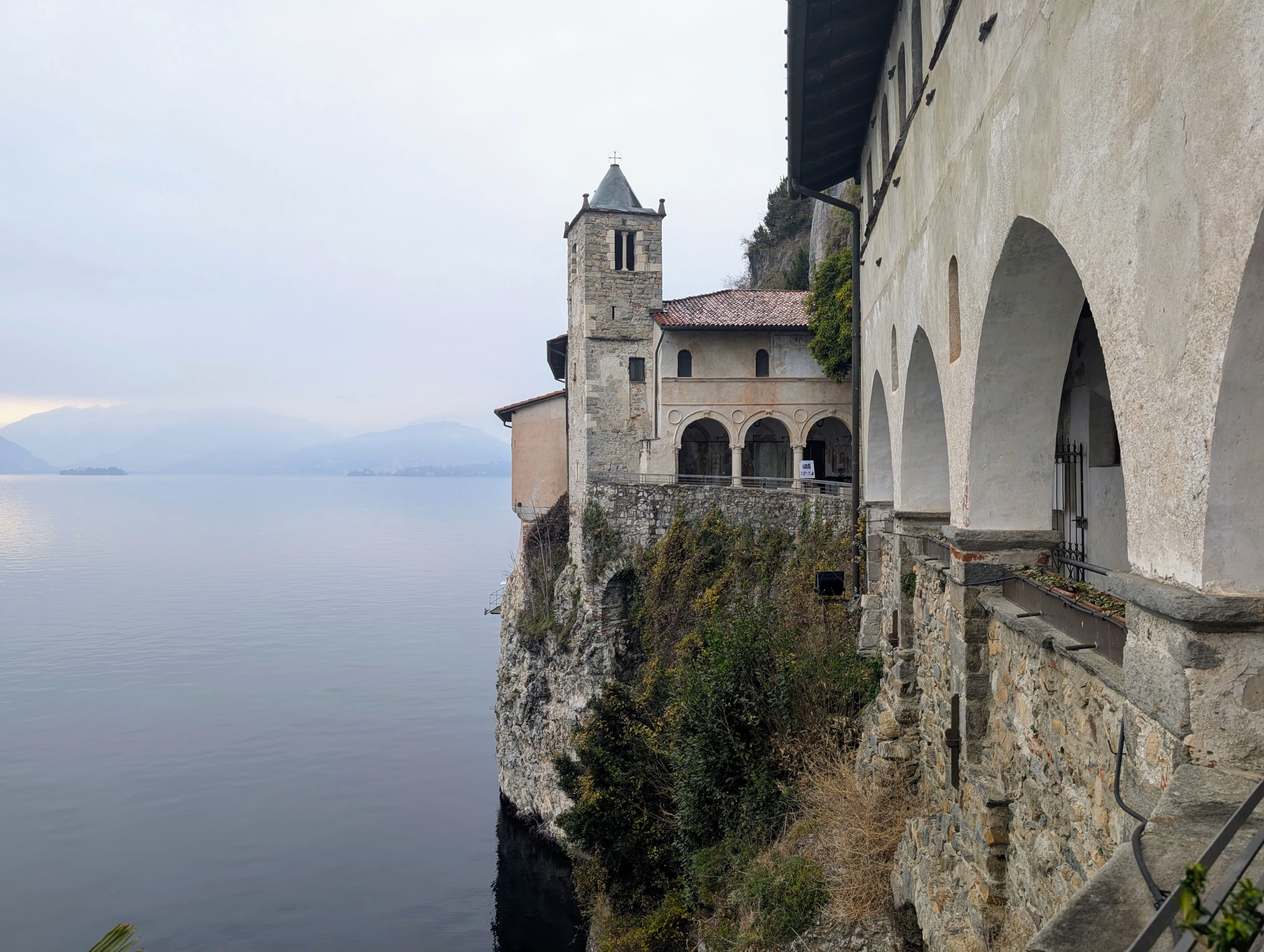
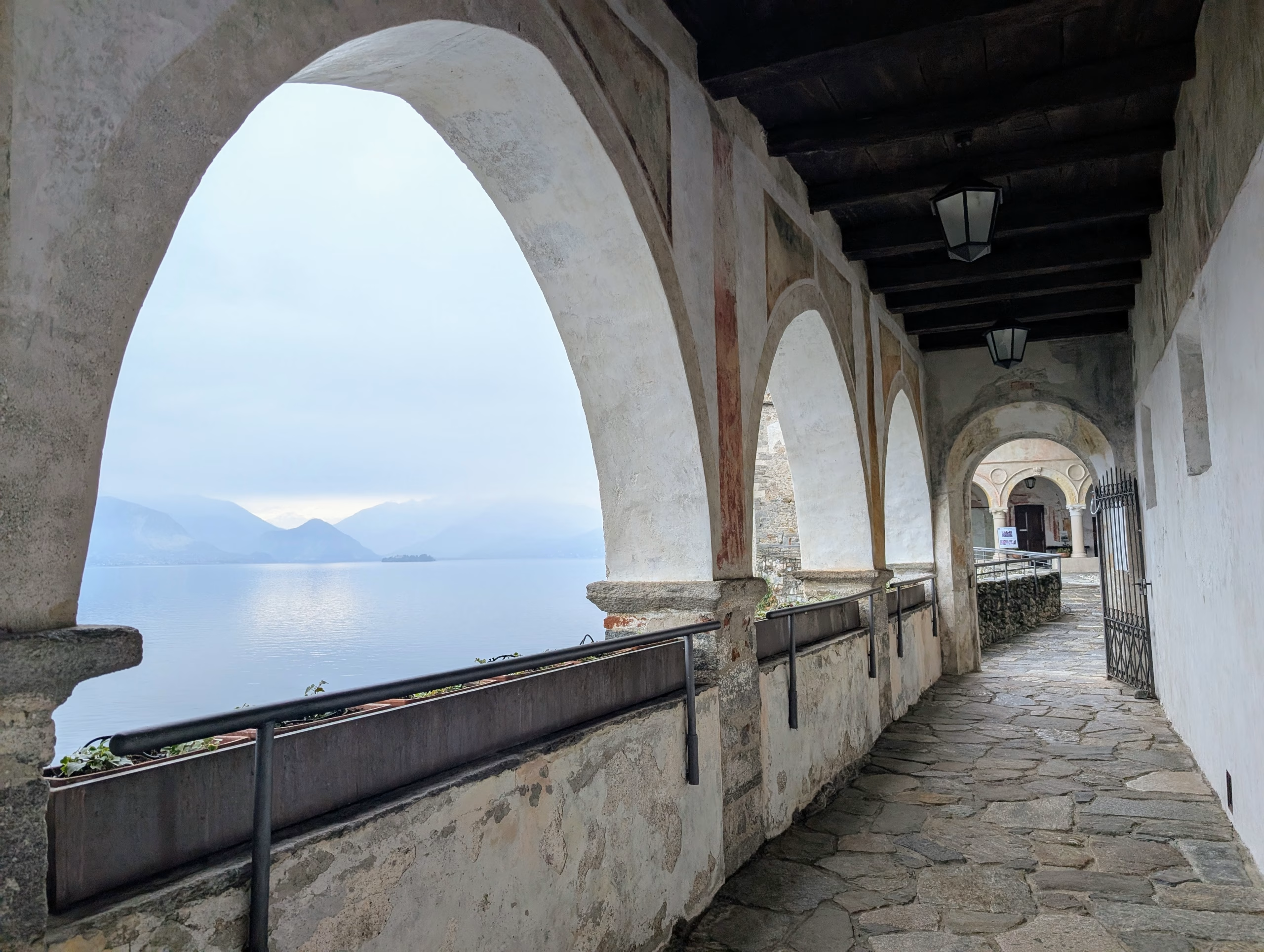
When the timetable works, arriving by boat makes sense from Stresa: the approach reveals the hermitage’s position before you enter it. Check the outward and return services with Navigazione Laghi, together with the hermitage’s opening hours. Allow a half-day overall, rather than judging the outing solely by time inside.
Access matters: arrival by boat involves roughly 80 steps up from the landing stage. The lift serves the upper road entrance, not the jetty. If steps are difficult, ask us to plan the road approach and check the lift arrangements. The church cannot be visited during religious services.
Arona: arcades, shops and the lakefront
South of Stresa, Arona is a good choice for a less structured day. Its appeal lies in the combination of the waterfront, shopping streets and Piazza del Popolo, where old arcades and restaurant terraces open towards the lake.
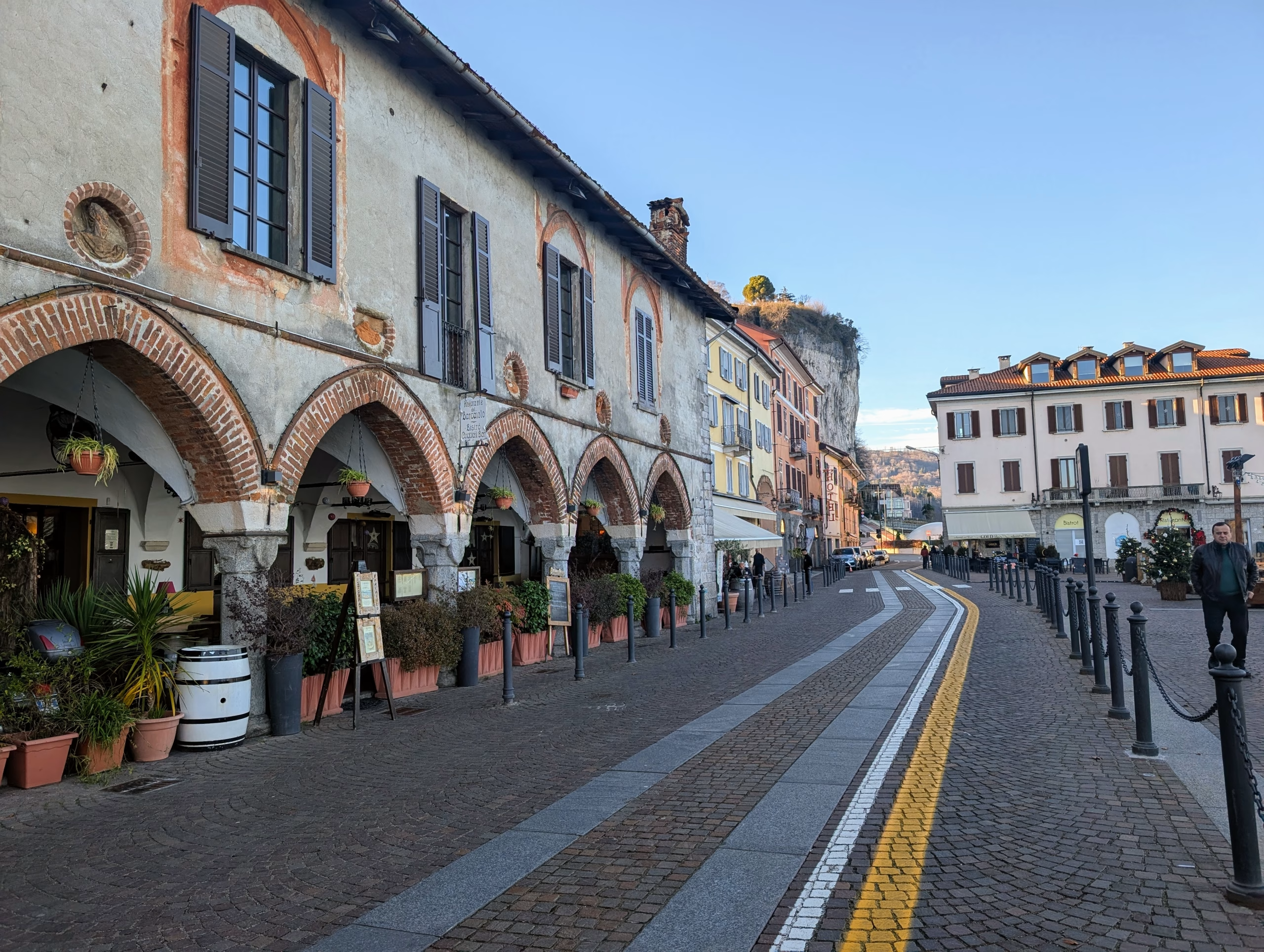
Walk from the station towards the lake, follow the promenade and continue into the old centre. This is somewhere to browse, stop for coffee and have lunch without turning the day into a sequence of admissions. The view across the water towards Angera adds another perspective on the southern lake.
If you want more walking, the Rocca park above the town can extend the visit when open. The colossal statue of San Carlo is a separate outing beyond the centre, so allow additional travel and visiting time rather than treating it as part of a short waterfront stroll.
From Stresa: use a regional train that calls at Arona and check the return services for your day. The station is close to the waterfront, making this one of the simpler outings without a car. A half-day is enough for the centre; lunch and browsing can comfortably stretch it.
How to fit the outings into a Stresa holiday
For a first week, choose three or four outings rather than trying to cover everything. Isola Bella, a Lake Orta day and the Vigezzina give you three distinct experiences. Keep Mottarone flexible for clear weather, and use Arona or Santa Caterina for a shorter day.
You do not need a hire car for the whole stay. Boats and trains cover several of these trips, while a private driver can make Lake Orta, Omegna or Mottarone easier. Choose accommodation with your likely walking distances to the station and landing stages in mind.
Explore our Lake Maggiore holidays for places to stay. If the rail journey deserves more time, our Milan, Domodossola and Lake Maggiore holiday gives the valleys a separate place in the itinerary.
Tell us how you would like to spend your days
We can arrange your accommodation, transfers and selected experiences around the balance of lake time, culture and walking that suits you.
For autumn travel, check railway service notices: engineering works can replace trains with buses on selected weekends. Opening calendars, sailings and rail ticket conditions vary by season.



 Facebook
 WhatsApp channel