


Cannaregio and the Jewish Ghetto: Venice beyond the main thoroughfares
Understand Cannaregio and the Venetian Ghetto through Jewish history, synagogues, Tintoretto and the neighbourhood’s northern canals.
In this article
Cannaregio occupies much of the northern side of Venice, but it cannot be reduced to a single atmosphere. Busy routes carry people between the station and the centre; a short turn can lead towards long canal-side walks, residential streets or the spaces of the Jewish Ghetto. The district rewards choosing a subject and following it carefully.
For a first visit, the Ghetto and its history provide the strongest starting point. Add Madonna dell’Orto if painting interests you, then leave room to walk the northern canals. This is a substantial half-day, or a slower day with a guided synagogue visit and a proper lunch.
Understand what happened in 1516
On 29 March 1516, the Venetian Senate ordered Jews in Venice to live in a designated, enclosed area. Gates were closed at night and movement was controlled. The Ghetto was therefore created through compulsory segregation, within a city that also depended on Jewish economic and cultural contributions.
This history should guide how the place is described. Its courtyards, tall buildings and small bridges are visually compelling, but the restrictions that shaped them were real. Visiting well means keeping the conditions of residence alongside the achievements of the community.
The name is generally connected with the area’s earlier foundry activity and a Venetian term associated with casting. Its later international use developed from this place, although the history of the word should not be allowed to overshadow the particular people and institutions that lived here. The Jewish Museum’s historical introduction is a useful starting point.

Read the buildings as evidence of constrained space
The Ghetto’s unusually tall residential buildings make more sense when you consider limits on where people could live. Space was used intensively, with homes and communal functions fitted into a restricted area. Look upwards as well as across the campo.
The synagogues were created by communities with different geographical origins and religious traditions. Their presence records both diversity and the need to sustain communal life under imposed conditions. Exteriors can be discreet; important interiors are not always announced by a monumental street façade.
A guided visit helps explain distinctions that are difficult to reconstruct from the public spaces alone. It can also prevent the area being treated as a single static chapter. The Ghetto’s history continued through changes in political rule, emancipation, twentieth-century persecution and the life of the community today.

Plan synagogue visits through the community’s museum
Use the Jewish Museum’s official visiting information to establish what is available on your date. The museum has been undergoing renovation, and its programme has included guided access to synagogues while the main museum spaces were being completed. Do not assume that an announced reopening season confirms a particular day’s access.
Check the current tour, meeting point, language and booking requirements. Saturday and Jewish holidays affect visiting arrangements. This is particularly important if Cannaregio is the main reason for your trip: build the stay around a confirmed visit, then arrange the rest of the neighbourhood walk around it.
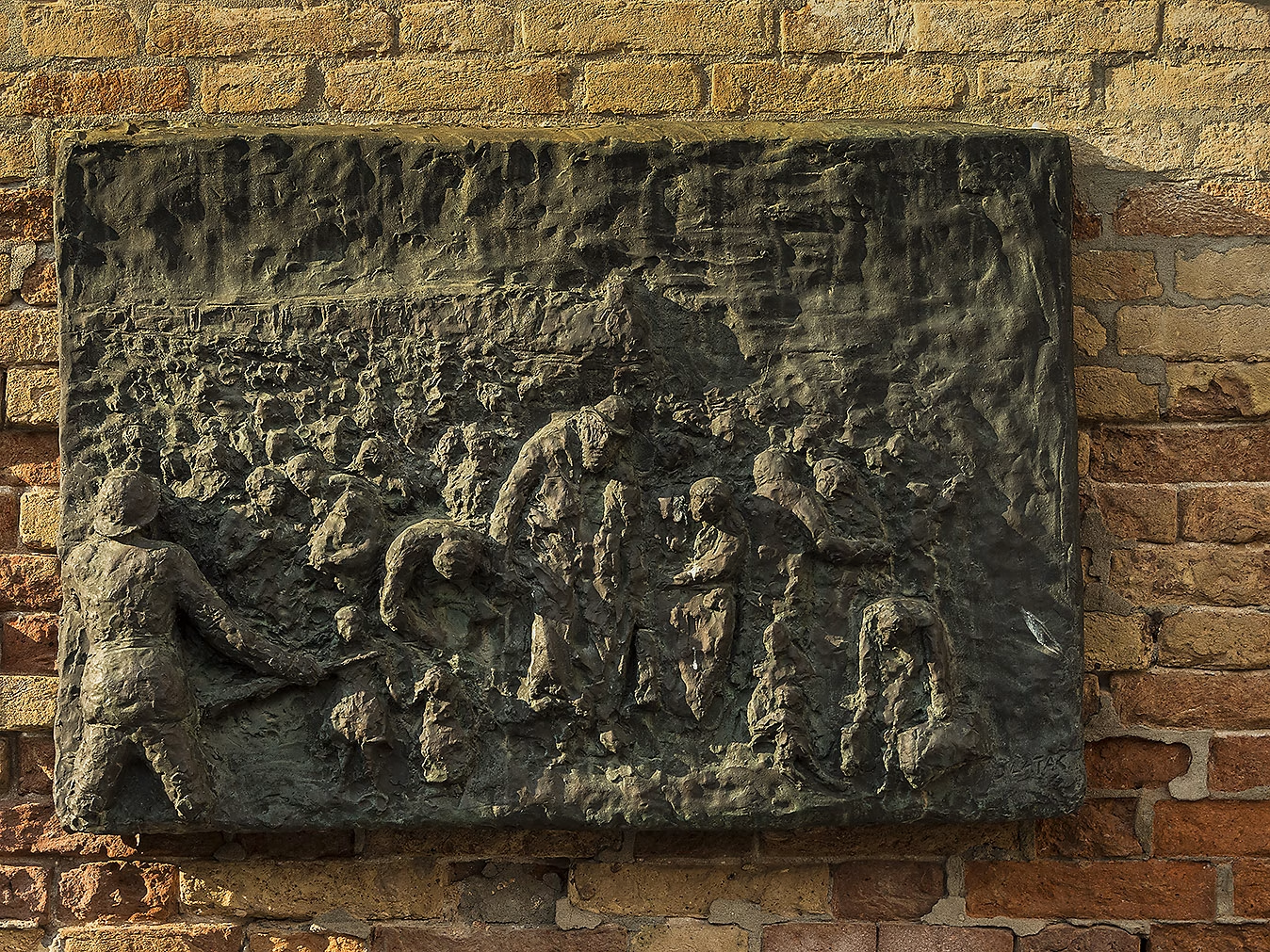
Treat synagogues as religious spaces and follow the guide’s instructions on dress, photography and movement. The memorials in the public area also deserve time and attention. They bring the history of deportation and loss into the present-day square and should not be reduced to background scenery.
Continue towards Madonna dell’Orto
From the Ghetto, a walk towards Madonna dell’Orto takes you through a different part of Cannaregio. The church is closely associated with Tintoretto, who lived in the district and is buried here. It offers a useful counterpoint to the extensive cycle at San Rocco.
The building’s brick Gothic exterior and relatively open approach give you time to see its proportions before entering. Inside, concentrate on the scale of Tintoretto’s paintings and their relationship to the architecture. His figures often appear caught in action, while changes of light draw attention to particular moments within a complex scene.
This is also a good place to think about an artist’s working geography. Painters were not simply names moving between commissions in guidebooks. They belonged to workshops, parishes, families and networks of patrons. Walking between a neighbourhood and its church restores some of that ordinary setting.
For current church access, check local notices and the official visitor arrangements close to your stay. A church visit should fit around worship and any temporary closure. If the interior is unavailable, the walk still gives a useful view of the district; avoid making a long detour depend on unconfirmed access.
Walk the northern canals without turning homes into an attraction
The canals around the Misericordia and the northern fondamenta allow longer stretches beside water than many of the centre’s smaller lanes. Restaurants, boats, homes and occasional workshops share these routes. Their appeal lies in that mixture, rather than in a promise of solitude.
During the day, notice how doors, loading points and bridges organise movement. In the evening, the same streets can become sociable places to eat and meet. Conditions vary by exact location and season, so “quiet Cannaregio” is not a reliable description of every hotel or every hour.
Public space remains part of daily life. Keep doorways and bridges clear, take photographs from places where you are not obstructing someone and resist peering into private homes. The district becomes more interesting when observed as a neighbourhood with its own routines.


Choose a route that fits your interests
For a history-led half-day, start with the booked Ghetto visit, spend time in the public spaces and then take a canal-side walk. For an art-led day, add Madonna dell’Orto and leave a generous pause between the two subjects. It is better to understand both than to append every nearby church.
If continuing towards Fondamente Nove, check your intended boat route before assuming a convenient onward connection. The northern waterfront can be useful for lagoon travel, but boarding points and service patterns need to match the island you want. Our lagoon guide explains why Murano, Burano and Torcello deserve different plans.
Cannaregio also makes a good base for some stays, especially when the actual hotel location suits your arrival and interests. Compare the walk from the nearest boat stop, the number of bridges with luggage and the evening setting. The district name alone is not enough to make that decision; use our Venice accommodation and timing guide to put the details together.
Make Venice part of your holiday
Choose a Venice base and length of stay that make space for neighbourhoods such as Cannaregio alongside the principal sights.
Photography by Vittorio Sciosia, from his Venice and lagoon collection (2016).



 Facebook
 WhatsApp channel