


Capri · Bay of Naples
Capri is at its best when you give it a clear purpose: a walk above the Faraglioni, Anacapri’s gardens and art, or time along the coast by boat. Its beauty is immediate; enjoying it takes a little more thought about distances, queues and the return ferry.
A day trip gives you a memorable introduction. Staying overnight gives you the evening, an unhurried breakfast and time to explore beyond the busiest hours. This guide helps you choose between the two, and make good use of your time once you arrive.
In this article
Understanding the islandCapri’s historyTown, gardens & FaraglioniLonger walksAnacapri & Monte SolaroBoats & the Blue GrottoLunch & local flavoursDay plans & practical adviceStaying overnightWhen to visit
Start with one main choice
For a first visit, choose Capri town and its southern views, Anacapri’s culture and Monte Solaro, or a boat outing. Add another stop if the day allows. The island is small, but transfers and changes of level make a long checklist surprisingly demanding.
Understand Capri before choosing your day
Capri lies just beyond the tip of the Sorrento Peninsula, at the entrance to the Bay of Naples. It is often sold alongside the Amalfi Coast, but it is a separate island experience. Our guide to the Amalfi Coast and Bay of Naples explains how the mainland towns and islands fit together.
Marina Grande, on the northern shore, is the main arrival harbour. Capri town sits above it, centred on the Piazzetta. Anacapri occupies higher ground on the western side, beneath Monte Solaro. Marina Piccola is the southern bay facing the Faraglioni. Knowing these four names makes both the transport and the hotel descriptions easier to understand.
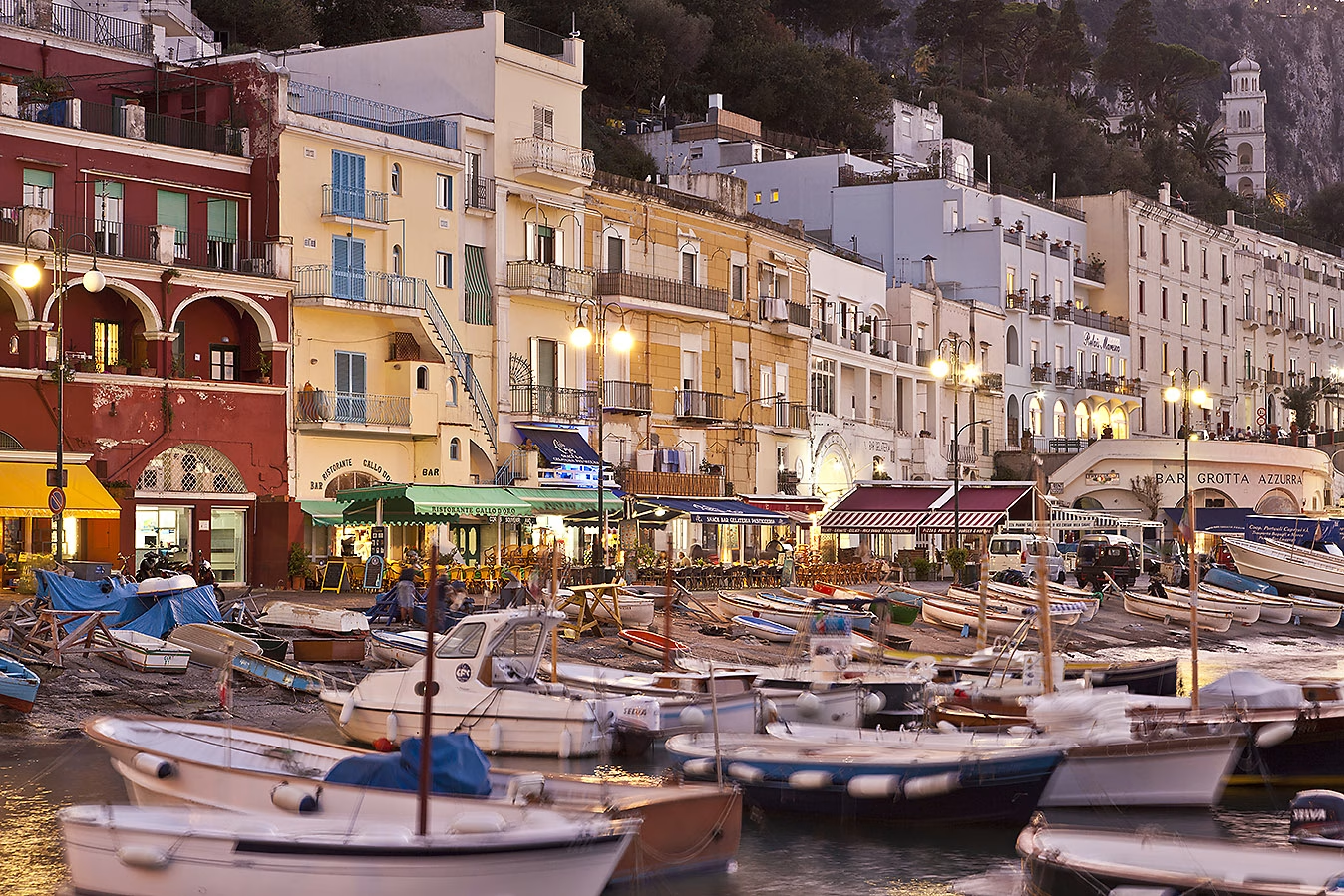
The funicular connects Marina Grande with Capri town. Buses and taxis link the principal settlements, while the town centres and many viewpoints are explored on foot. The harbour-to-town climb is steep: use transport if you have luggage or want to save your energy for a walk later. For current routes, consult the island transport guide.
From Roman retreat to an island of artists and visitors
Capri’s association with cultivated leisure began long before modern tourism. Augustus was drawn to the island, and his successor Tiberius made it an imperial residence in the first century AD. At Villa Jovis, terraces, stairways and enormous water cisterns reveal the practical ambition behind a palace built high above the sea. The remains make more sense when seen as part of the Roman world of the Bay of Naples, alongside the archaeological visits described in our Naples travel guide.
The island also has a substantial religious history. The Certosa di San Giacomo, founded in 1371, brings a different scale and rhythm to Capri town: cloisters, vaulted passages and enclosed courtyards, close to the Gardens of Augustus. Its later uses included military and prison functions; today it is a museum and cultural site. Check the current exhibition and visiting arrangements before going.
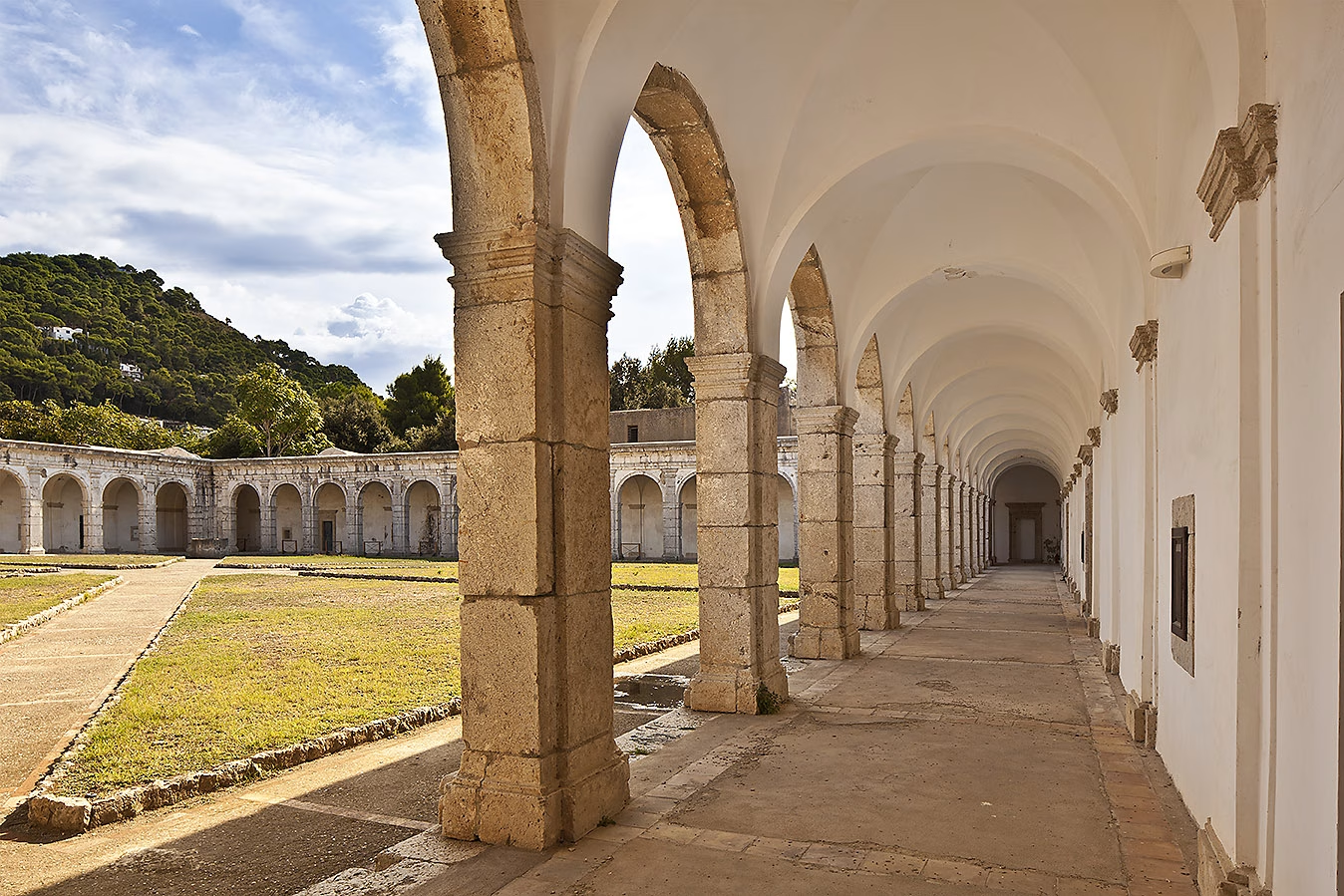
By the late nineteenth and early twentieth centuries, foreign writers, artists and patrons were helping to shape the island’s international identity. Axel Munthe’s Villa San Michele gives this story a personal focus. Capri’s villas, gardens and hotels are part of that history: places created to spend time, entertain and look out to sea.
Capri town: the Piazzetta, gardens and Faraglioni
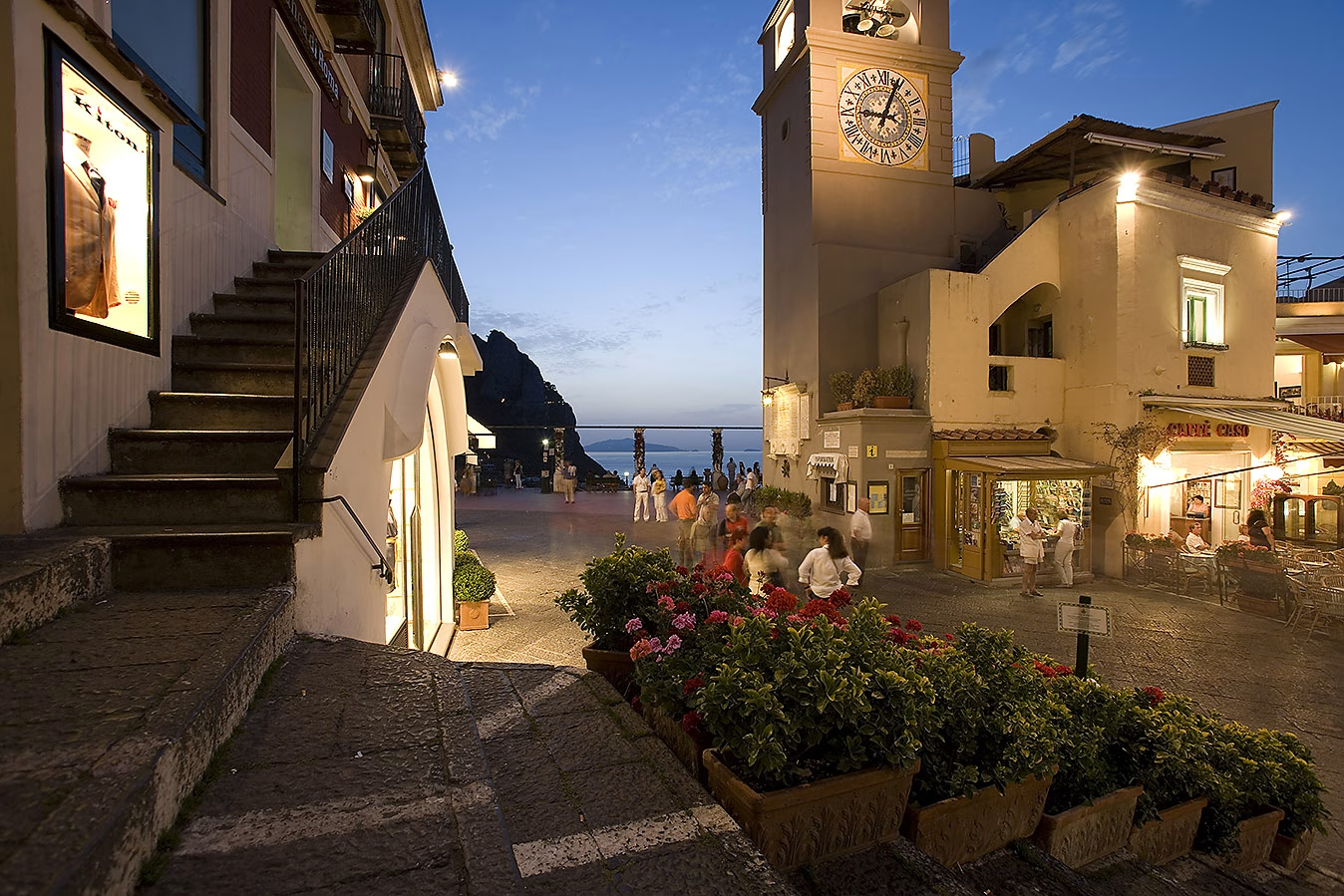
The Piazzetta, officially Piazza Umberto I, is a good place to orientate yourself. The clock tower, café terraces and steps towards the church of Santo Stefano create a compact social centre. Stop for a coffee if that is part of the pleasure of your visit; check the menu before sitting down, as a terrace table comes with its own price.
For a manageable first walk, continue along Via Vittorio Emanuele and Via Federico Serena towards the Gardens of Augustus. The terraces bring together two of Capri’s defining views: the Faraglioni to one side, and Marina Piccola with the bends of Via Krupp to the other. These are good rewards for a day that also leaves room for lunch.
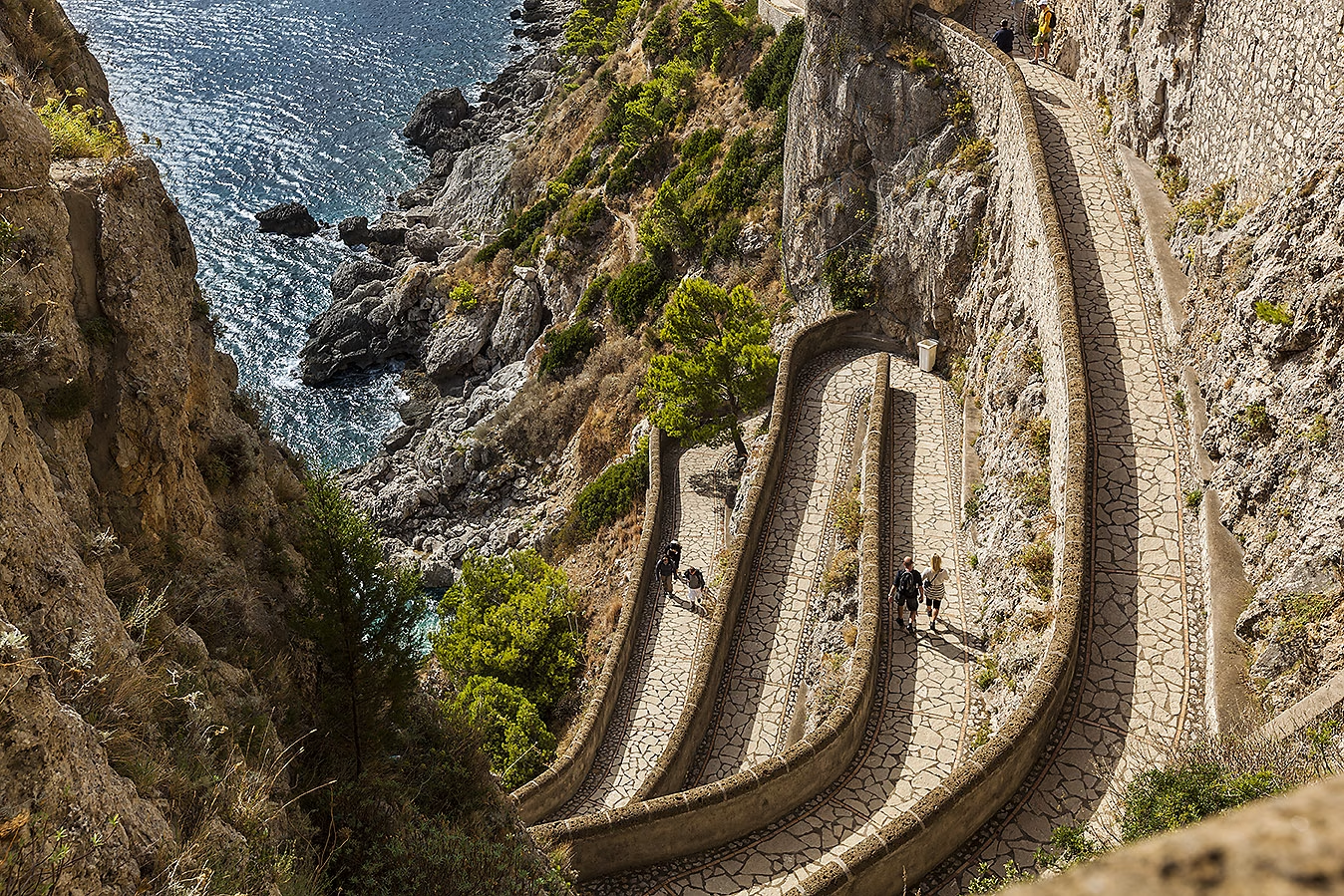
Via Krupp was commissioned by the German industrialist Friedrich Alfred Krupp at the beginning of the twentieth century to connect the upper part of the island with Marina Piccola. Its tight curves make the steepness of Capri unusually clear. Enjoy the view from above; check locally whether the path itself is open before planning a descent. Access can change because of rockfall inspections.
Alternatively, follow Via Camerelle and Via Tragara towards the Tragara viewpoint for a closer relationship with the Faraglioni. The boutiques soon give way to villa walls, gardens and sea views. This works well as the main walk after a leisurely look around town.
Choose a longer walk: the Natural Arch or Villa Jovis
The Natural Arch shows a wilder side of Capri. Its enormous limestone opening frames the sea, with vegetation and steep rock replacing the shopfronts of the centre. For walkers, the Pizzolungo route links the area of the arch with the coast below, the Matermania grotto and the approach to Tragara.
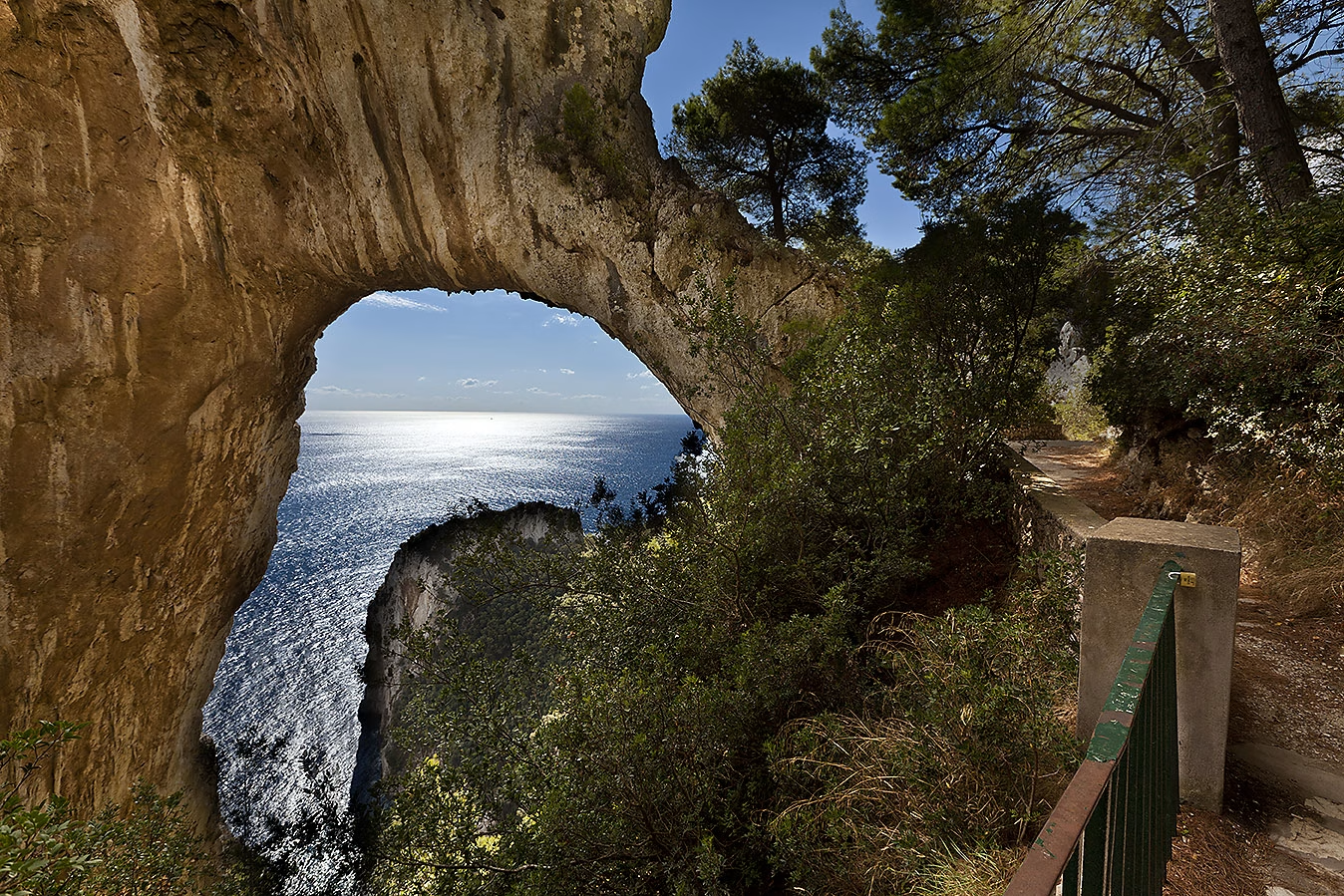
This is a walk with steps and uneven sections, and the descent has to be balanced by climbing again. Wear shoes with grip, carry water and allow time to stop. Check the route’s condition before setting out, particularly after bad weather. Choose it as a substantial part of the day, with lunch and a generous margin for the ferry.
For archaeology, Villa Jovis is a different outing, reached uphill through the eastern side of Capri town. Allow roughly 45 minutes to walk there from the Piazzetta, depending on your pace, plus the visit and return. Confirm opening before committing to the climb. A taxi cannot take you to the ruins, and it is too substantial to treat as a quick extra before departure.
Anacapri: a painted floor, a garden and the highest view
Anacapri offers a particularly satisfying day for visitors interested in art and gardens. Start around Piazza Vittoria, then choose between the lanes of the historic centre, Villa San Michele and the chairlift. The bus stops can be busy, but the visit becomes more relaxed once you leave the transport interchange.
The Church of San Michele
Along Via Giuseppe Orlandi, turn towards Piazza San Nicola for the Church of San Michele. Its eighteenth-century majolica floor depicts the expulsion of Adam and Eve from Eden, surrounded by a wonderfully detailed world of animals and plants. The floor gives you a reason to slow down and look closely, rather than simply pass through another church.
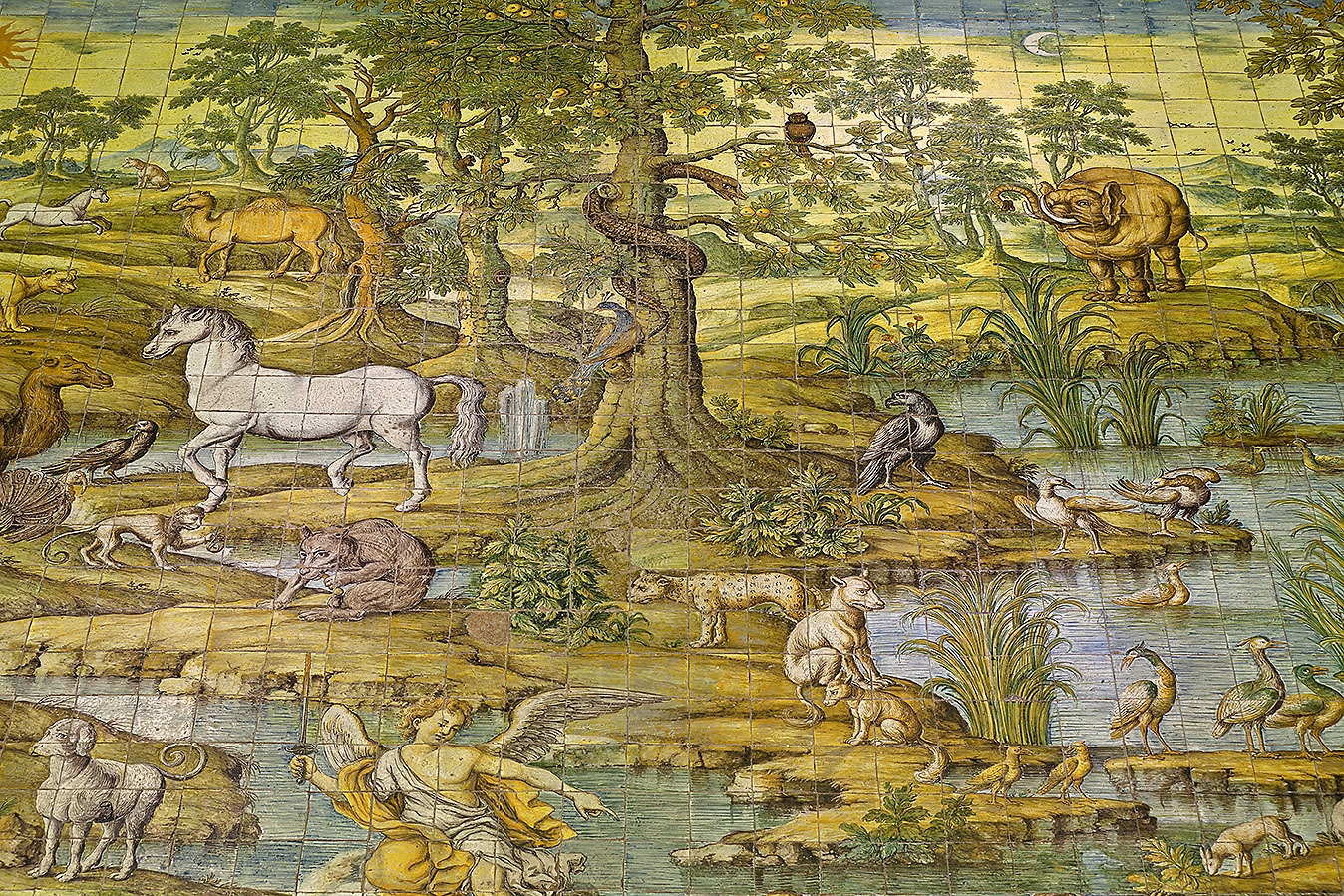
The church is distinct from Villa San Michele, Axel Munthe’s house museum. They share a name but occupy different locations and offer very different visits. The historic centre of Anacapri also rewards a walk towards Santa Sofia and its square, with time for a café or the small shops along the way.
Villa San Michele and Monte Solaro
At Villa San Michele, Munthe brought together antiquities, architecture and a garden overlooking the bay. The Egyptian sphinx on the terrace is one of its most recognisable features. His book The Story of San Michele, published in 1929, helped carry this personal vision of Capri to readers around the world. Allow time for both the collection and the garden, and use the museum’s own website for current visiting information.
The Monte Solaro chairlift leaves from Anacapri and rises to the island’s highest viewpoint. On a clear day, it helps you understand the relationship between Capri town, the Faraglioni and the mainland. The Monte Solaro visitor guide explains the ascent and walking alternatives.
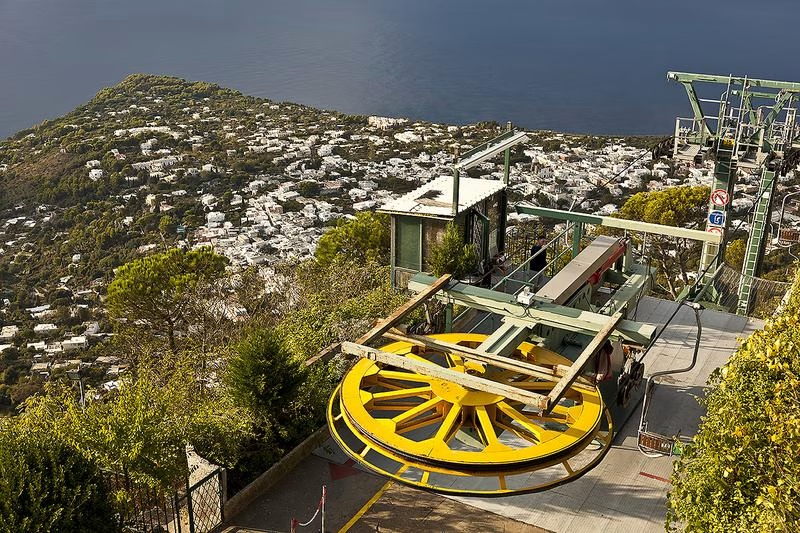
The seats are open and individual. Consider comfort with heights and the operator’s arrangements for children before choosing it. If cloud hides the summit, give more time to Anacapri and the museum. Villa San Michele, a walk through the centre and one further visit already make a rewarding day.
The Blue Grotto and Capri from the sea
From a boat, the island becomes a succession of limestone cliffs, caves and small coastal inlets. A shared circuit is useful for a first overview. A private excursion can give you greater control over the pace and, where included and conditions permit, time to swim.
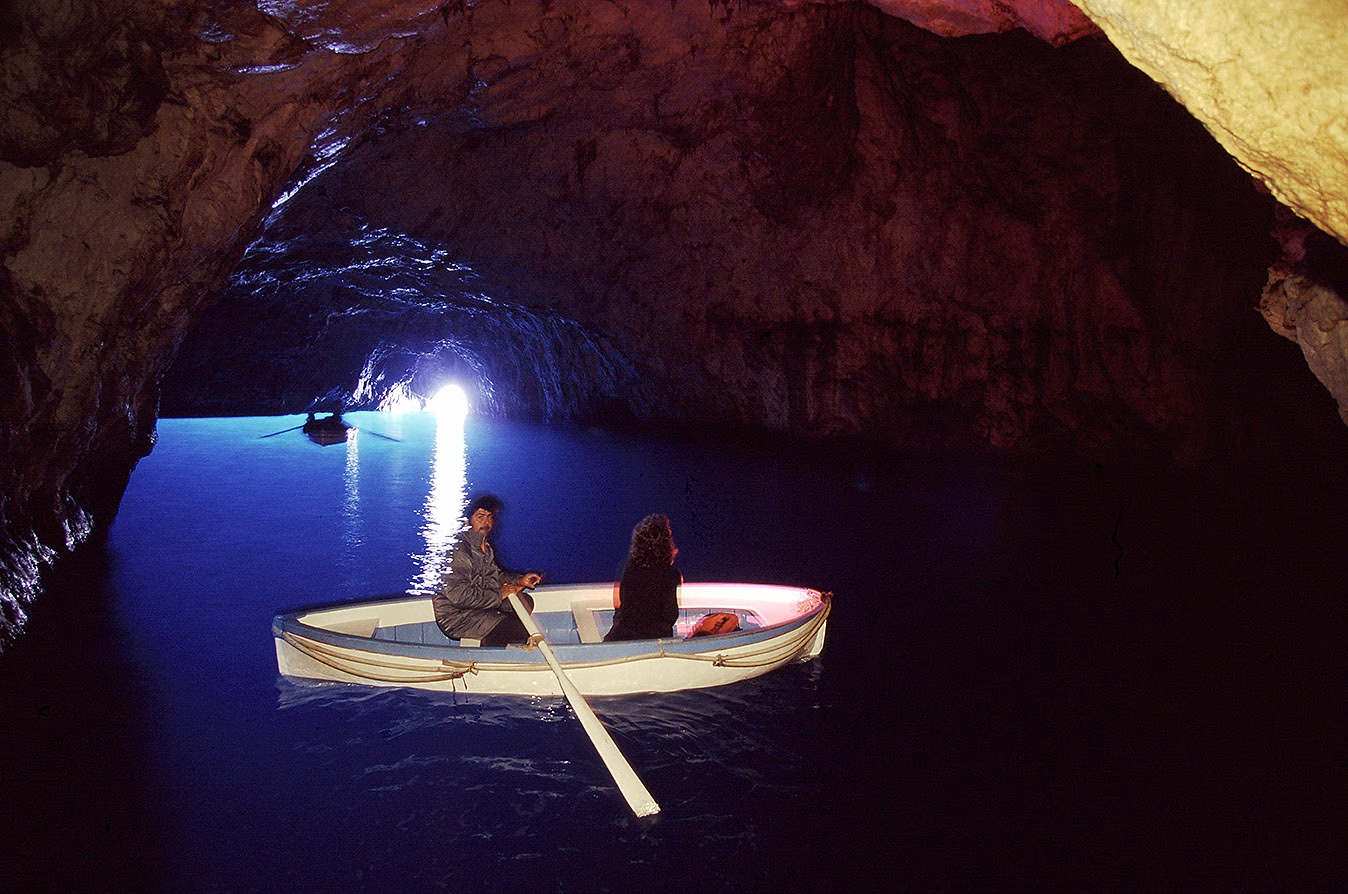
The Blue Grotto is a separate experience. Visitors enter in small rowing boats through a very low opening, lying back as the boat passes beneath the rock. Inside, light entering through the water produces the extraordinary blue glow.
Entry depends on sea conditions, and the wait can absorb a large part of a short visit. Check whether a boat trip includes the transfer to the entrance, admission and the rowing boat, or charges for them separately. Keep another plan available if the grotto is closed. A full island circuit, grotto visit and extensive sightseeing ashore are a crowded programme for one day.
For swimming, book an outing that explicitly includes it, or plan time at a suitable beach or bathing establishment. Capri’s shoreline is often rocky and steep. A boat sightseeing ticket does not automatically provide a swimming stop or access to a beach club.
Leave time for lunch and torta caprese
A proper lunch can make the day more enjoyable than another transfer. Choose somewhere near the area you are exploring, so that the meal becomes a pause in the visit. If a particular sea-view restaurant matters to you, reserve ahead and check the route there and back.
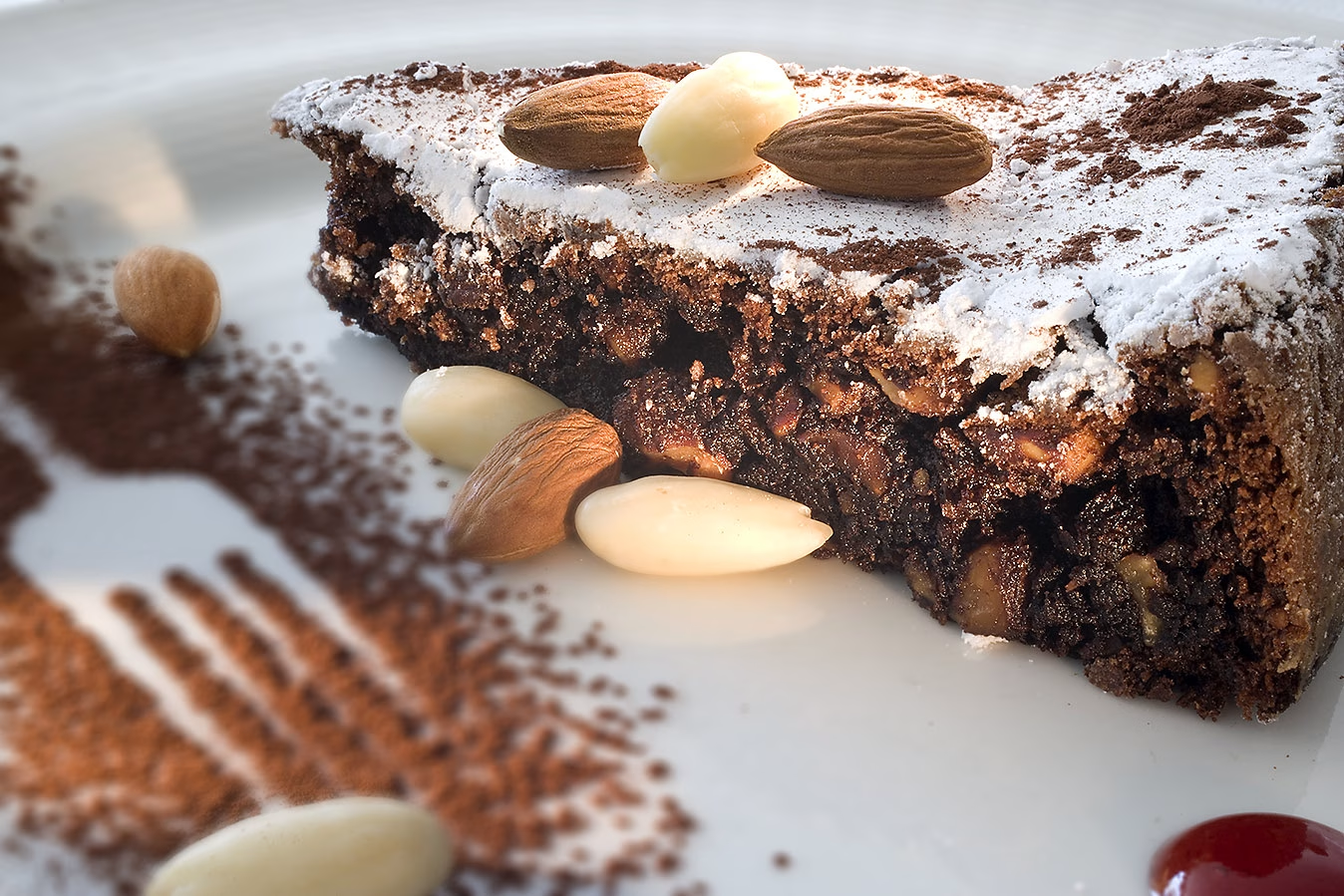
Look for ravioli capresi, a tomato and mozzarella salad, fish and seasonal vegetables. For dessert, torta caprese brings chocolate and almonds together in a rich cake, often finished with icing sugar. Recipes and kitchen practices vary, so ask directly about ingredients if you have an allergy or dietary requirement.
A realistic day plan and the practical details
Build the day around the sailings available from your actual base. Sorrento is a convenient starting point on the peninsula; Naples provides another natural approach across the bay. Direct services from the Amalfi Coast are seasonal, so check the date and return journey before arranging the rest of the day.
Operators such as NLG publish routes and booking information. Use the departure port printed on your ticket and follow the operator’s boarding instructions. In Naples, Molo Beverello and Calata Porta di Massa are different embarkation points. In Sorrento, passenger services use Marina Piccola; on Capri, the main arrival port is Marina Grande.
| Your priority | A sensible outline | What to leave for another visit |
|---|---|---|
| Town and coastal views | Funicular to Capri, Piazzetta, Gardens of Augustus, lunch and a walk towards Tragara if time allows. | Anacapri and an island boat circuit. |
| Art and gardens | Transfer to Anacapri, Villa San Michele, lunch and the Church of San Michele or Monte Solaro. | A long walk to Villa Jovis and the Blue Grotto queue. |
| The island by sea | A boat outing, a relaxed meal and a modest visit ashore fitted around the boat’s duration. | Trying to visit both towns in depth. |
These are outlines, not timed tours. Adapt them to your ferry, walking pace, weather and the length of queues. Book the return you intend to use, allow time to get back down to Marina Grande and avoid a plan that depends on catching the last possible sailing.
Before you leave your hotel
- Check outbound and return sailings, the departure pier and any service notices.
- Confirm the opening of the one attraction most important to your day.
- Take comfortable shoes, water, sun protection and a light layer for the crossing.
- Allow for separate costs: local transport, admissions, boat trips and bathing facilities.
- If staying overnight, ask your hotel about luggage collection and the final walk from the transport stop.
Leave the hire car on the mainland. Local transport and walking are the useful combination for this visit. With children, keep the main plan modest; with limited mobility, discuss the precise route and access with the attraction, hotel and transport operator. Short distances on Capri can involve steep slopes or steps.
When staying overnight makes the difference
The evening is one of the strongest reasons to stay. As the main day-trip departures finish, you can return to the Piazzetta, enjoy an aperitivo and choose dinner without watching the ferry timetable. The following morning gives you another chance to walk before the busiest arrivals.
One night provides an evening and a morning; two nights give you a full day without moving luggage. Stay longer when a particular hotel, swimming and slow island days are central to the holiday. Allow a budget that leaves room to enjoy the setting, meals and transport.
Capri town suits visitors who want restaurants and an evening stroll close at hand. Anacapri suits those drawn to gardens, culture and a less concentrated social scene, while accepting transfers for Capri town and the harbour. Around Marina Grande, arrivals are convenient, but check whether the hotel is at waterfront level or uphill. In every area, the hotel’s exact position matters more than its distance on a map.
For a longer island leisure holiday, Ischia is a personal favourite. Its range of towns, thermal traditions and hotels gives it a different character. Explore our Ischia holidays if your priority is several days of relaxation with occasional exploration.
When to visit and how Capri fits your holiday
My preference is a focused day trip in spring or autumn, with time to pause. Peak summer can bring intense heat and queues around the harbour, the Piazzetta and transport stops. Staying overnight helps you use the quieter ends of the day, although popular restaurants and hotels remain busy.
Spring and autumn can also be busy, and sea conditions matter in every season. Winter requires a more flexible approach: some hotels and restaurants close, attraction hours reduce and boat outings depend on conditions. Check the specific places you want to visit before choosing a winter stay.
For a journey that includes the mainland, use our Amalfi Coast travel guide for the coastal towns and our Amalfi Coast and Bay of Naples holidays for accommodation and combinations. Capri works best when it has a defined place in that journey, with enough time to enjoy the part of the island that appeals to you.
Plan Capri around your interests
Tell me whether your priority is art, walking, the sea or a particular hotel. I can include Capri in your tailor-made holiday with realistic transfers and time for the places that matter most.





 Facebook
 WhatsApp channel