


Naples · Food, history and place
Neapolitan Food: History, Specialities & Markets
How Naples made its cuisine its own, from pizza and family cooking to buffalo dairies, pasta makers and the city’s surviving farmland.
In this article
How Naples made its food its own
A plate of pasta in Naples can tell you about trade, poverty, family life and the ambitions of a royal capital. The same city that made pizza an everyday meal also cultivated elaborate rice timbales, rich pastries and dishes that take much of a day to cook.
Its food belongs to a wider landscape. Buffalo dairies around Caserta and Paestum, pasta makers in Gragnano, market gardens and the fishing communities of the bay all contribute to the Neapolitan table. Understanding those connections gives you more than a list of things to order: it gives you reasons to explore.
A Mediterranean port and a royal capital
Greek settlement and Roman life placed Naples within Mediterranean networks of grain, oil, wine and fish. Later, Angevin, Aragonese, Spanish and Bourbon rule connected the city to other courts and trading worlds. Those centuries brought people, ingredients and fashions into a densely populated city with very different ways of feeding its rich and poor.
The familiar tomato is a useful reminder that tradition develops. It came to Europe from the Americas after 1492 and was adopted gradually. Neither ancient Roman cooking nor the earliest forms of pizza resembled the tomato-rich meals now associated with Naples.
Palace kitchens and household ingenuity
French culinary prestige influenced the cooks of aristocratic households, known in Naples as monzù, an adaptation of monsieur. Elaborate preparations such as sartù di riso, a moulded rice dish with a generous filling, belong to this world. The name gattò, from gâteau, survives in a savoury potato bake enriched with cheese and cured meat.
Alongside this was cooking shaped by economy: pulses, vegetables, bread and pasta, with small quantities of meat or cheese used for flavour. Time and technique could turn inexpensive ingredients into a satisfying meal. Neapolitan cuisine developed through both traditions, as recipes passed between professional kitchens, shops and homes.
Pizza, fried food and a changing tradition
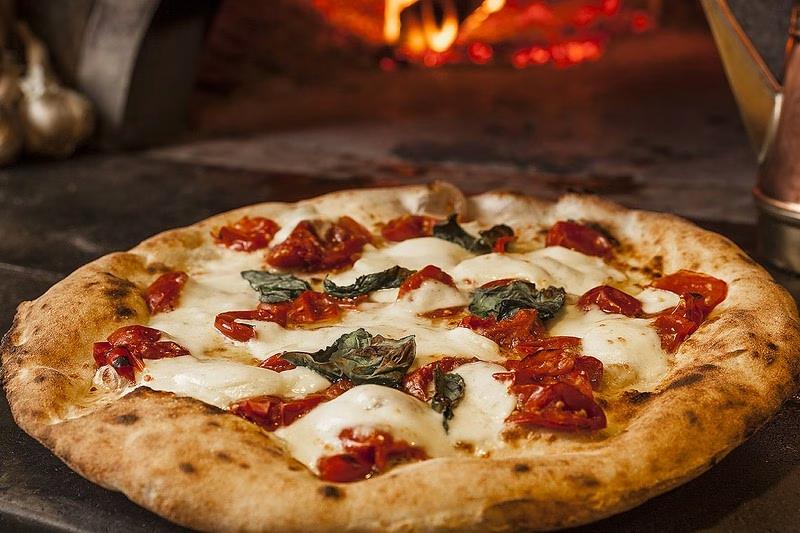
Pizza is one of the world’s most widely recognised foods, but its Neapolitan story begins with the practical business of feeding people. In the nineteenth century it was an affordable food sold through shops and street vendors. Its appeal rested on a filling dough, adaptable toppings and a price within reach of ordinary households.
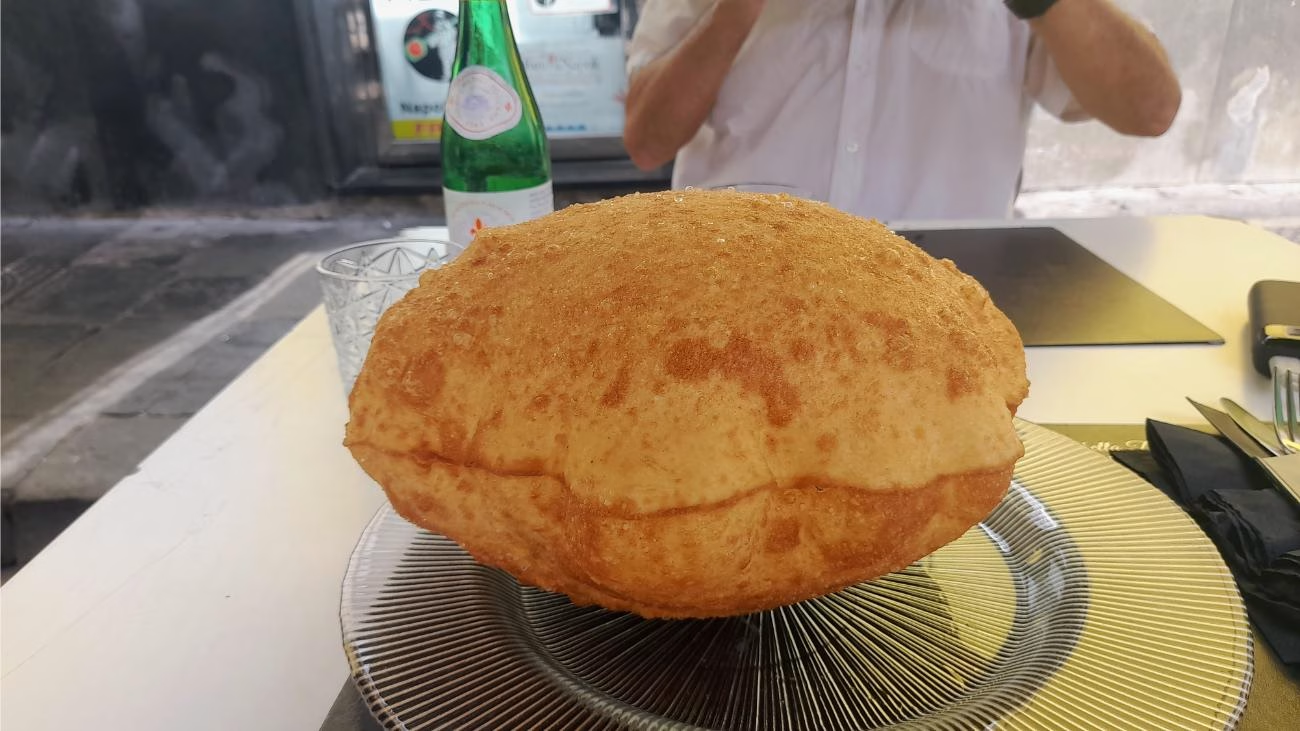
Pizza fritta has a related story of domestic enterprise. Women selling fried dough from ground-floor homes are particularly associated with the hardship of the post-war city. Frying offered a way to prepare food without a large pizza oven. The connection between house, pavement and customer helps explain why street food remains part of neighbourhood life.
What to look for on the menu
Marinara combines tomato, garlic, oregano and oil; its name does not mean it contains seafood. Margherita brings together tomato, mozzarella and basil. Pizza a portafoglio is folded for eating on the move. Pizza fritta is often filled with ricotta and other ingredients, with recipes varying between kitchens.
Beyond pizza, a cuoppo is a paper cone of fried morsels, which may be seafood or the vegetable and potato repertoire of a friggitoria. Crocchè are potato croquettes; frittatine di pasta turn pasta into compact, rich fried portions. A cuoppo or filled pizza fritta makes a substantial stop between visits.
What “gourmet pizza” adds
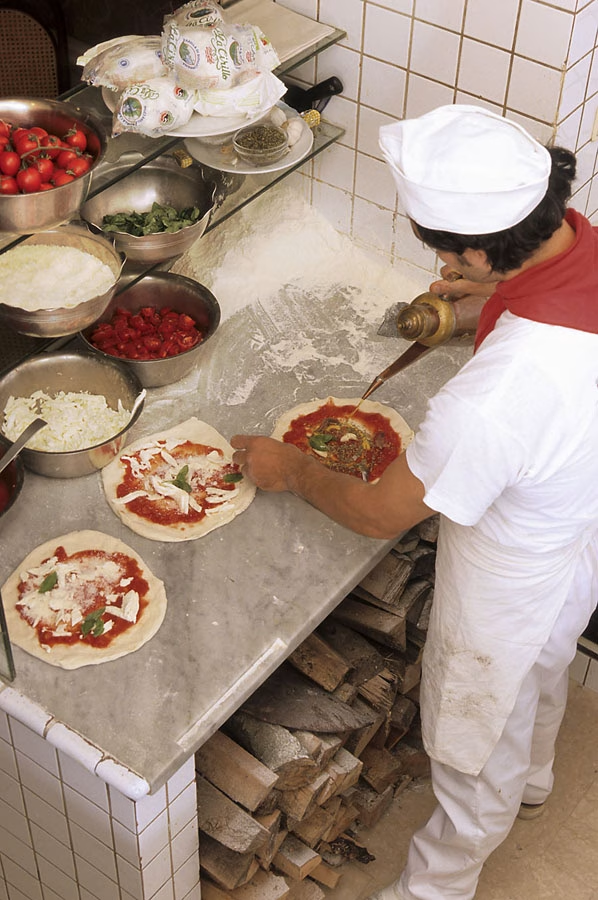
Contemporary pizzaioli experiment with fermentation, textures, cooking methods and seasonal toppings. Their work extends an established craft. A simple marinara still depends on skill, good ingredients and careful baking; an elaborate topping alone does not make a better pizza.
In 2017, UNESCO recognised the art of the Neapolitan pizzaiuolo, including the transmission of knowledge between generations. That is the useful link between pizza’s modest beginnings and its present international reputation.
Pasta: an ingredient with a history
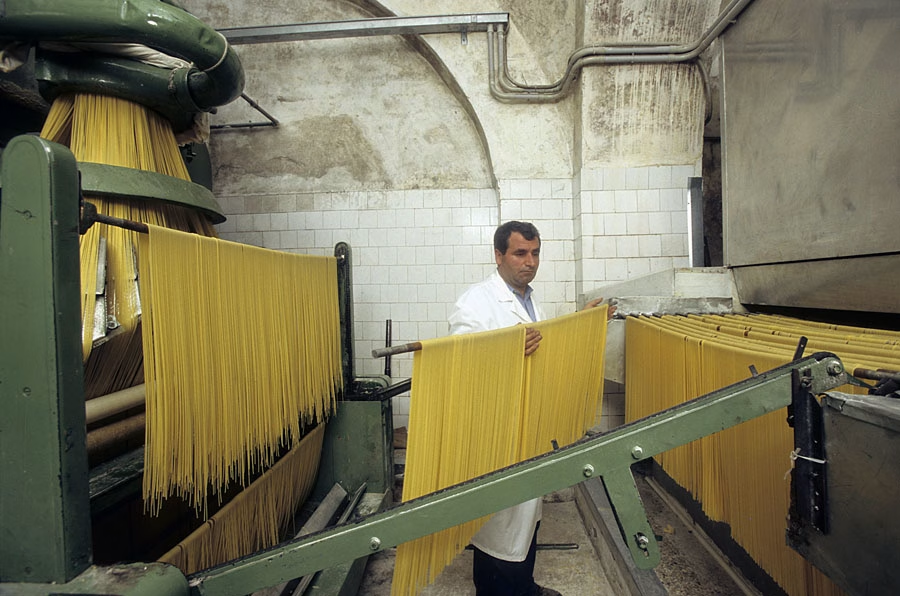
South-east of Naples, inland from Castellammare di Stabia, Gragnano developed into a major centre of dried-pasta production. Water powered its mills, while the meeting of mountain air and sea breezes helped pasta dry outdoors. Streets and courtyards became part of the manufacturing process.
Today, Pasta di Gragnano IGP is made from durum-wheat semolina and local water, extruded through bronze dies and dried under controlled conditions. The rough surface helps sauce cling; the shape influences how a dish feels and how its ingredients come together. Try different pasta shapes during your stay to see how each works with its sauce.
Four dishes that explain the Neapolitan kitchen
Ragù napoletano
Large pieces of meat cook slowly in tomato sauce. Traditionally, the sauce dresses the pasta and the meat can follow as a separate course. It is closely associated with Sunday family meals and differs from a finely minced Bolognese sauce.
Genovese
Despite its name, this is a Neapolitan preparation: onions and meat cooked until the onions become a thick, sweet sauce, often served with ziti. The name has several proposed explanations; its exact origin remains disputed.
Pasta e patate
Pasta and potatoes cook together into a substantial dish, often enriched with provola. Mixed pasta shapes recall a household economy in which small remaining quantities could be used together.
Spaghetti alle vongole
Clams, garlic, oil and the juices released during cooking create a coastal counterpart to the richer meat sauces. Its success depends on the shellfish and on bringing pasta and cooking liquid together at the right moment.
Vegetables and pulses deserve equal attention. Pasta e fagioli, friarielli and aubergine parmigiana show how much of the repertoire depends on produce and judicious seasoning. Some versions include meat, stock or animal fat, so ask about the preparation if you follow a vegetarian diet.
Buffalo mozzarella: Caserta and Paestum
Fresh buffalo mozzarella is worth tasting as a food in its own right. The Caserta area to the north of Naples and the Sele plain around Paestum to the south are two important centres of production. Their buffalo-farming traditions developed in low-lying landscapes very different from the cultivated hillsides of Naples.
The Mozzarella di Bufala Campana Consortium traces early references to mozza to medieval Capua. The name relates to mozzare, to cut off: after the curd is heated and stretched, portions are separated and shaped. The modern protected production area includes defined parts of four regions, so the DOP is more precise than simply “made near Naples”.
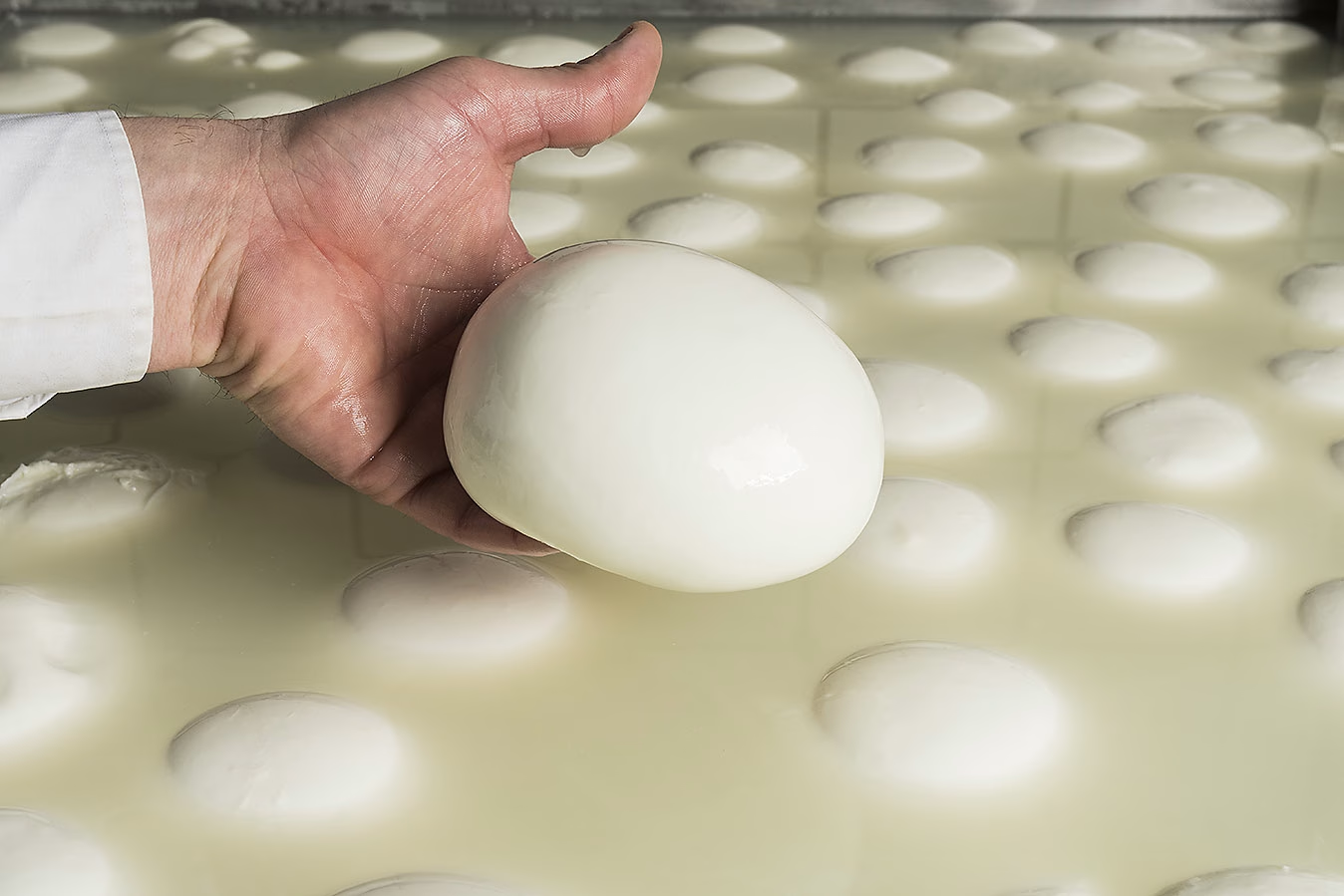
Mozzarella di bufala uses buffalo milk. Fior di latte uses cow’s milk and also has an important place in Campanian cooking, including pizza. They are different ingredients, with different flavours and moisture levels.
At a dairy farm, seeing the animals and the cheesemaking process puts the finished product into context. Arrange the visit in advance if watching production matters: a tasting or shop visit does not necessarily include the working dairy, and production follows its own timetable.
Pignasecca and Porta Nolana markets
Naples’ food markets show the relationship between ingredients and everyday meals. Look for seasonal greens, artichokes, citrus, tomatoes, fish and shellfish, alongside shops selling bread, cheese and preserved foods. The interesting detail is often how little distance separates a display of ingredients from a kitchen preparing them.
Mercato della Pignasecca
Between Via Toledo and Montesanto, Pignasecca fits naturally into a walk through the lower city. Stalls and permanent shops sit alongside places to eat, with ordinary shopping continuing around them. It is a useful introduction to the variety of Neapolitan food without committing the morning to a formal tasting tour.
Browse first, then choose a pastry, something from a friggitoria or a simple lunch. Notice the seasonal produce and ask how unfamiliar ingredients are cooked. A market visit becomes more rewarding when it helps you understand a dish you later order.
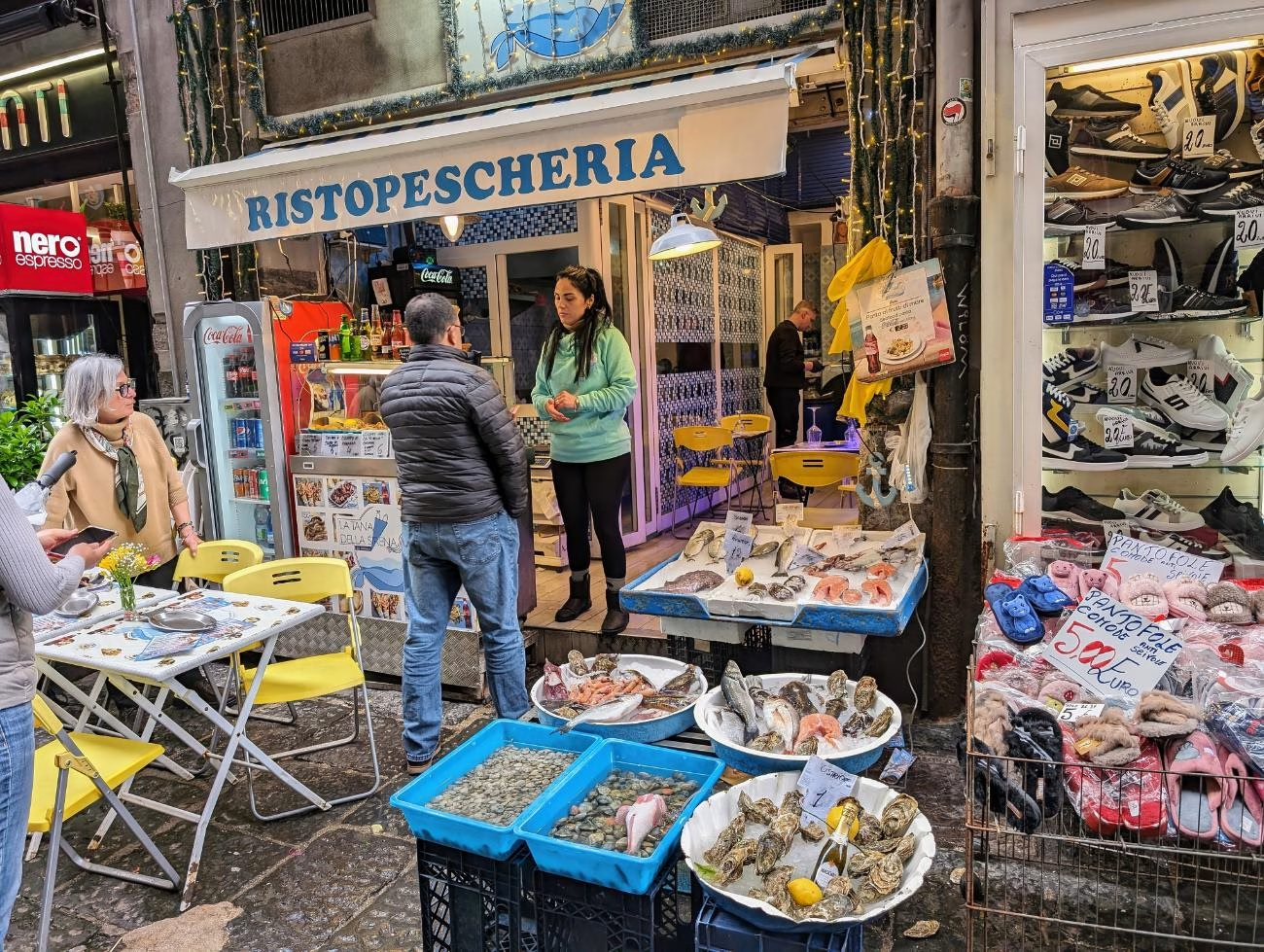
Mercato di Porta Nolana
Around the historic gate of Porta Nolana, towards the station side of the city, seafood is a defining part of the market’s character. Fish and shellfish connect the daily shopping to dishes such as spaghetti alle vongole, fried fish and mussels cooked simply with pepper.
The Christmas Eve fish meal gives this market a particular seasonal significance. Throughout the year, treat it as a working market: leave space for shoppers and ask before photographing traders at close range. Stall hours vary, so morning is a good time to browse while the market is busy.
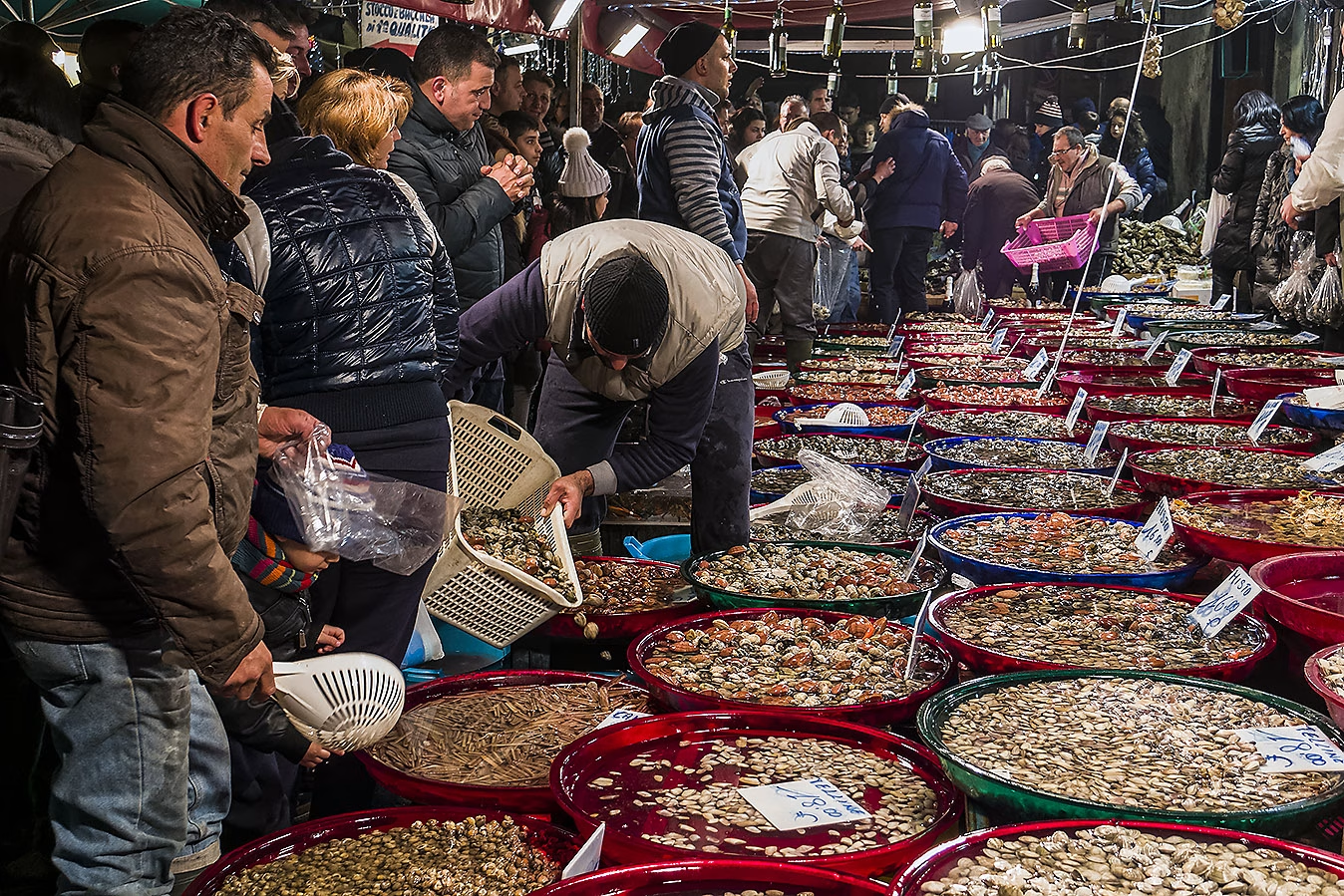
The two markets are in different parts of central Naples. Choose the one that fits your walk, or explore them on separate mornings.
What the pastry counter tells you
Coffee punctuates Neapolitan life. A short espresso at the counter can be a brief pause between visits, while a table gives you time to watch the street. Pair it with a pastry, but save room to discover how much the selection changes with texture, filling and occasion.
Sfogliatella: riccia or frolla?
The riccia has crisp, closely layered pastry; the frolla has a smoother shortcrust shell. Both typically contain ricotta, semolina and candied citrus. The contrast is a good example of technique changing the experience of similar ingredients.
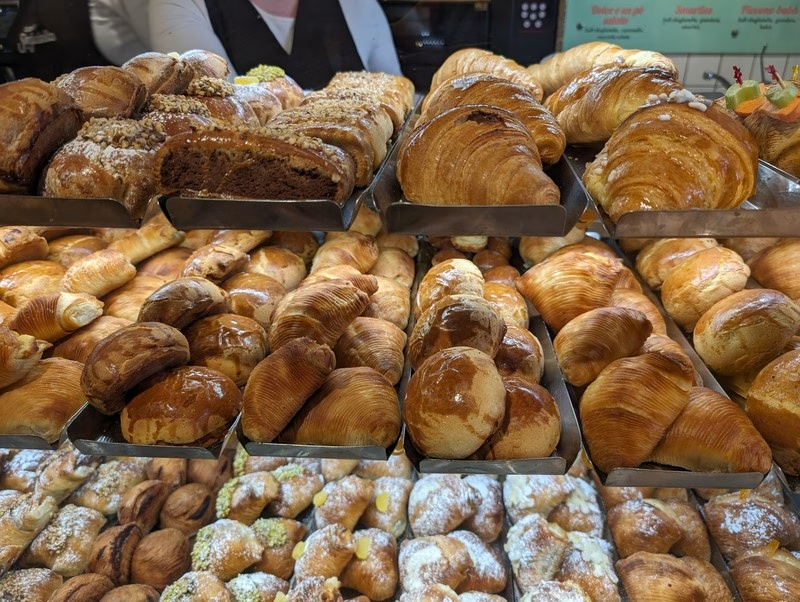
Babà and the ability to adopt
The rum-soaked babà belongs to a wider European family of yeast cakes, with Polish and French connections. Naples made it central to its own pastry culture. Its history illustrates culinary exchange more convincingly than the idea that every local speciality must have been invented within the city.
Pastiera, zeppole and the family calendar
Pastiera combines a pastry case with ricotta, cooked wheat and fragrant citrus notes, and is especially associated with Easter. Its many origin legends are part of local storytelling; the family traditions surrounding its preparation are the more useful starting point.

Celebration also has a savoury side. Casatiello, a rich Easter bread with cheese and cured meat, shows how the repertoire changes when families gather. These foods are best understood through the occasion as well as their ingredients.
At Cerriglio, imagine a conversation with Caravaggio
A simple meal can be another way into Naples’ past. At La Locanda del Cerriglio, in a narrow lane near Santa Maria la Nova, the historical association gives an ordinary pause for lunch or dinner a different dimension.
The old tavern is linked to Caravaggio, who was seriously injured in an attack outside it in October 1609. Today’s restaurant recalls that history through its setting and name. The present restaurant gives you a setting in which to reflect on that turbulent period in the painter’s life.
Sit down over Neapolitan cooking and imagine what you might ask him: how did he see the people of this city, and what did Naples offer a painter working far from Rome? The conversation is imaginary, but the streets and the association are real. It is a thoughtful companion to following Caravaggio through Naples.
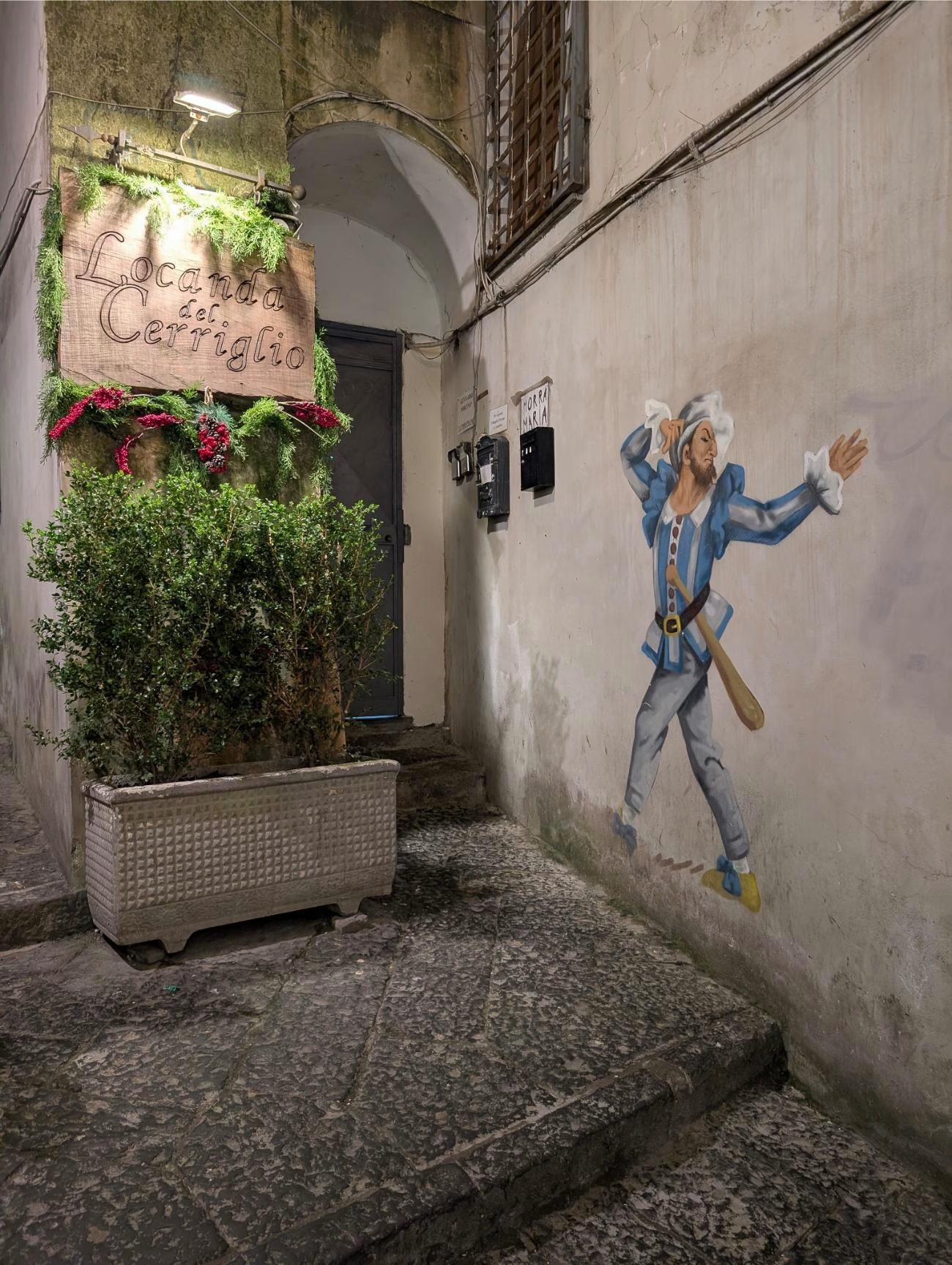
Choose it in the spirit of a straightforward meal within a day of exploring. The interest lies in the combination of cooking, place and history.
Three destinations, with food part of the day
You can eat well throughout Naples. These pairings add a particular cook, ingredient or landscape to a visit already worth making. In Naples, the Certosa and Vigna San Martino connect culture with the city’s cultivated hillside. Beyond Naples, pair Caserta’s Royal Palace with pizza, or Paestum’s temples with a buffalo dairy. For a five-day stay, choose the excursion that most appeals and leave time for Naples itself.
Caserta: the Royal Palace and I Masanielli
Make the Royal Palace the reason for the journey. Its grand interiors and long park axis reveal the ambitions of the Bourbon court, giving the day a different perspective from the crowded streets of Naples.

After visiting the Royal Palace, a meal at Francesco Martucci’s I Masanielli gives you another reason to linger. His approach to dough, ingredients and cooking techniques makes this a particularly useful example of pizza’s continuing development.
I Masanielli shared first place in the 2025 50 Top Pizza World ranking. A meal here offers a chance to see what one of the most celebrated contemporary pizzaioli does with a food that began as an affordable staple.
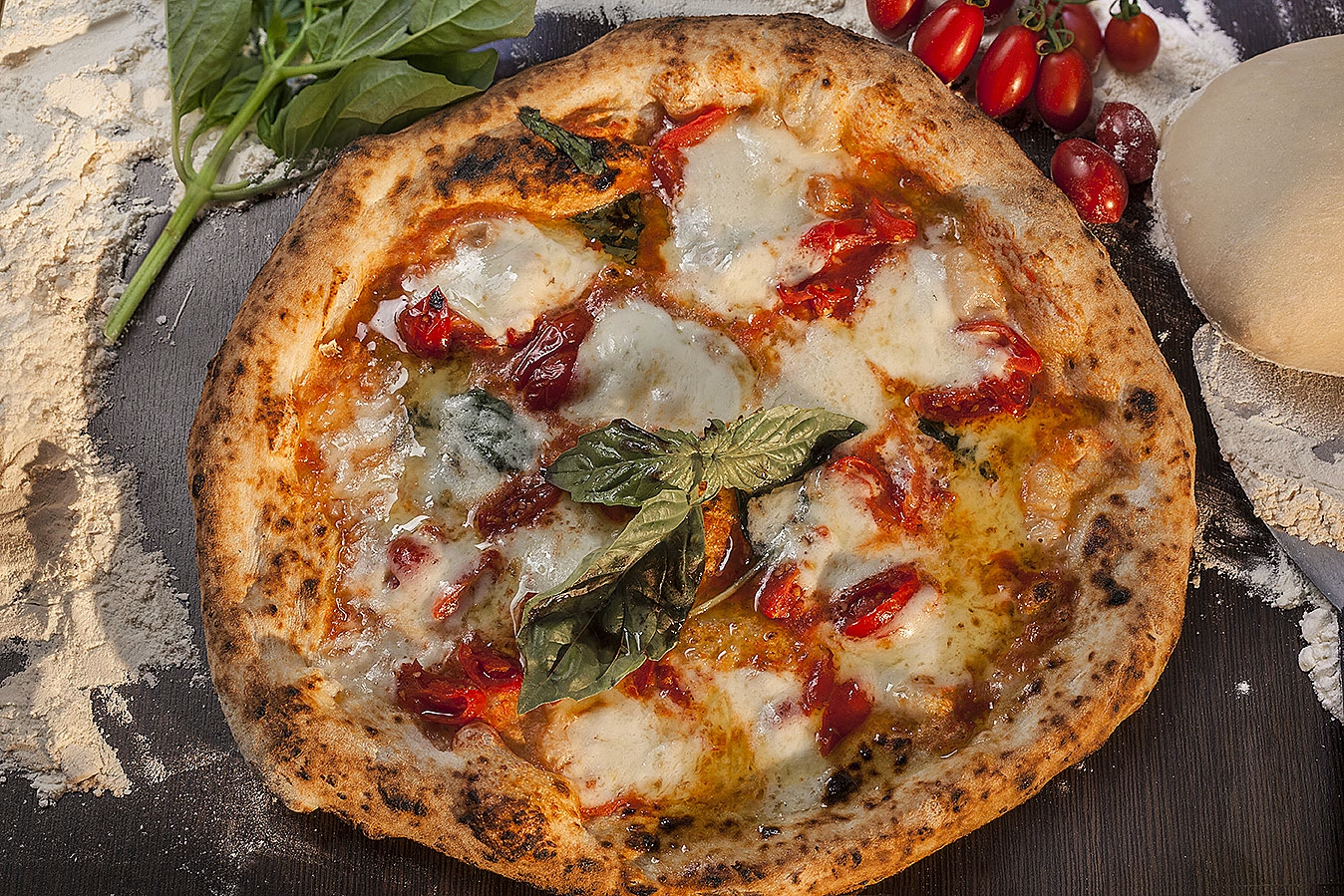
Planning: give the palace and park most of the day and arrange the meal around them. Caserta is reachable by train from Naples; check the restaurant’s location and your onward journey separately. Book ahead and check service days: lunch is not offered every day.
Paestum: Greek temples and a buffalo dairy
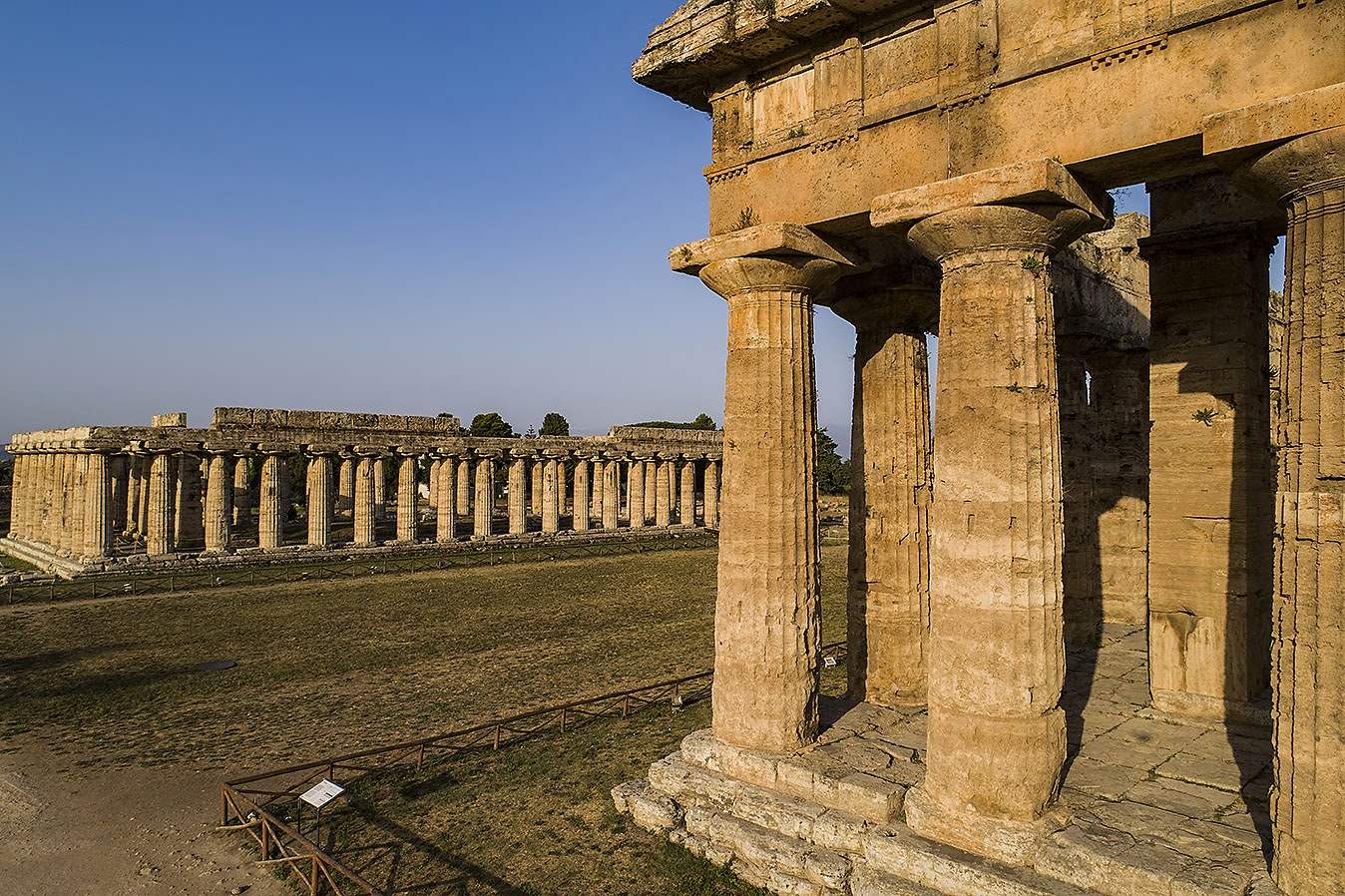
The temples of Paestum and the surrounding dairy country make a rewarding combination. After exploring the ancient city, a farm visit shifts the focus to the present-day landscape that supplies one of Campania’s best-known foods.
Tenuta Vannulo at Capaccio Paestum is one example of an estate offering visits and mozzarella made by hand. Confirm the visit format and production times before choosing the order of the day.
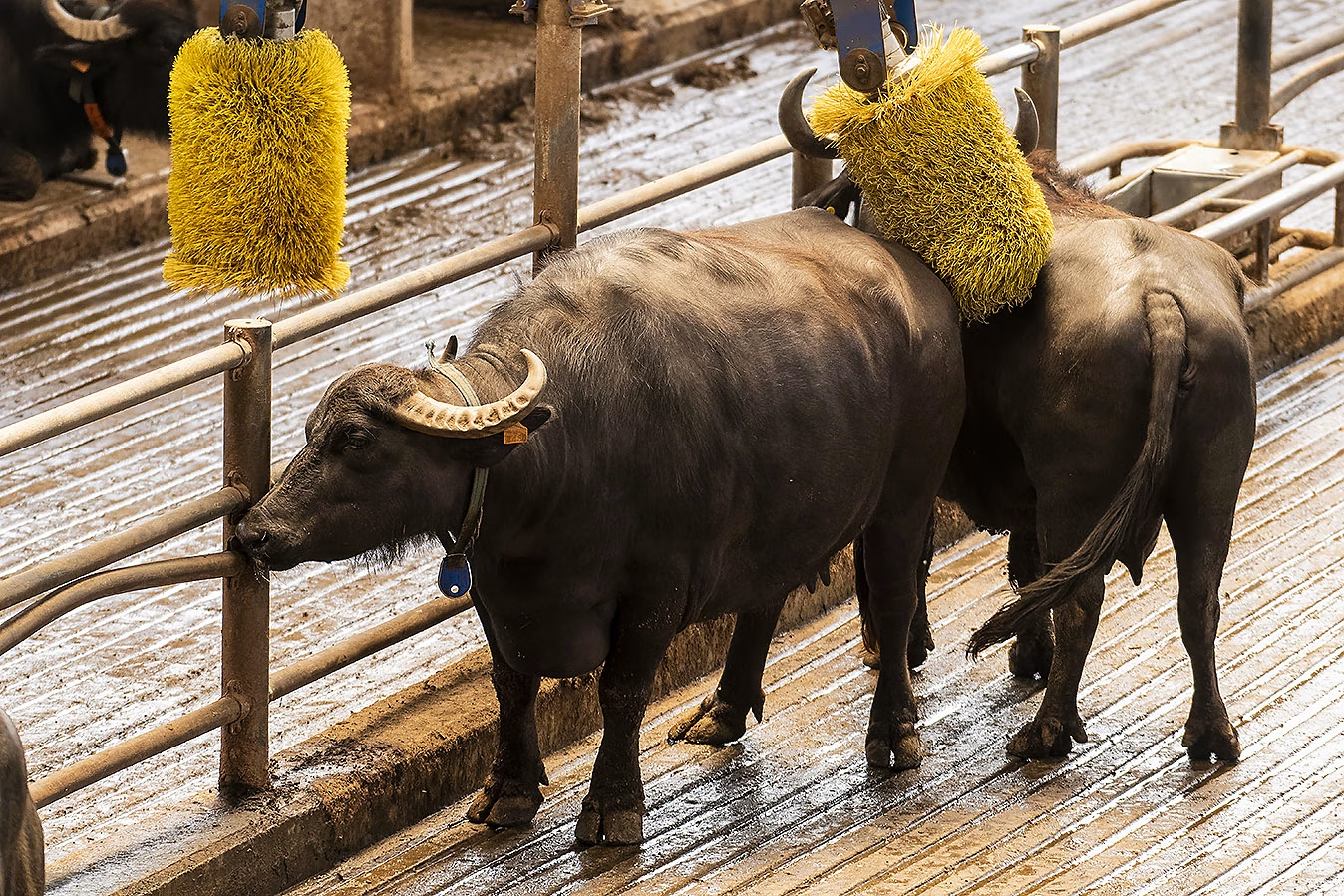
Planning: this is a full day from Naples. Rail can work for the archaeological visit, with local transfers arranged to the chosen dairy; a private driver makes the combined itinerary easier. Read our Paestum guide for the temples, coast and the possibility of staying longer.
Naples: the Certosa and Vigna San Martino
Build this part of the day around the Certosa di San Martino and the views from the hillside. The monastery gives you the cultural setting; a separately booked visit to the farmland below shows the productive landscape associated with it.
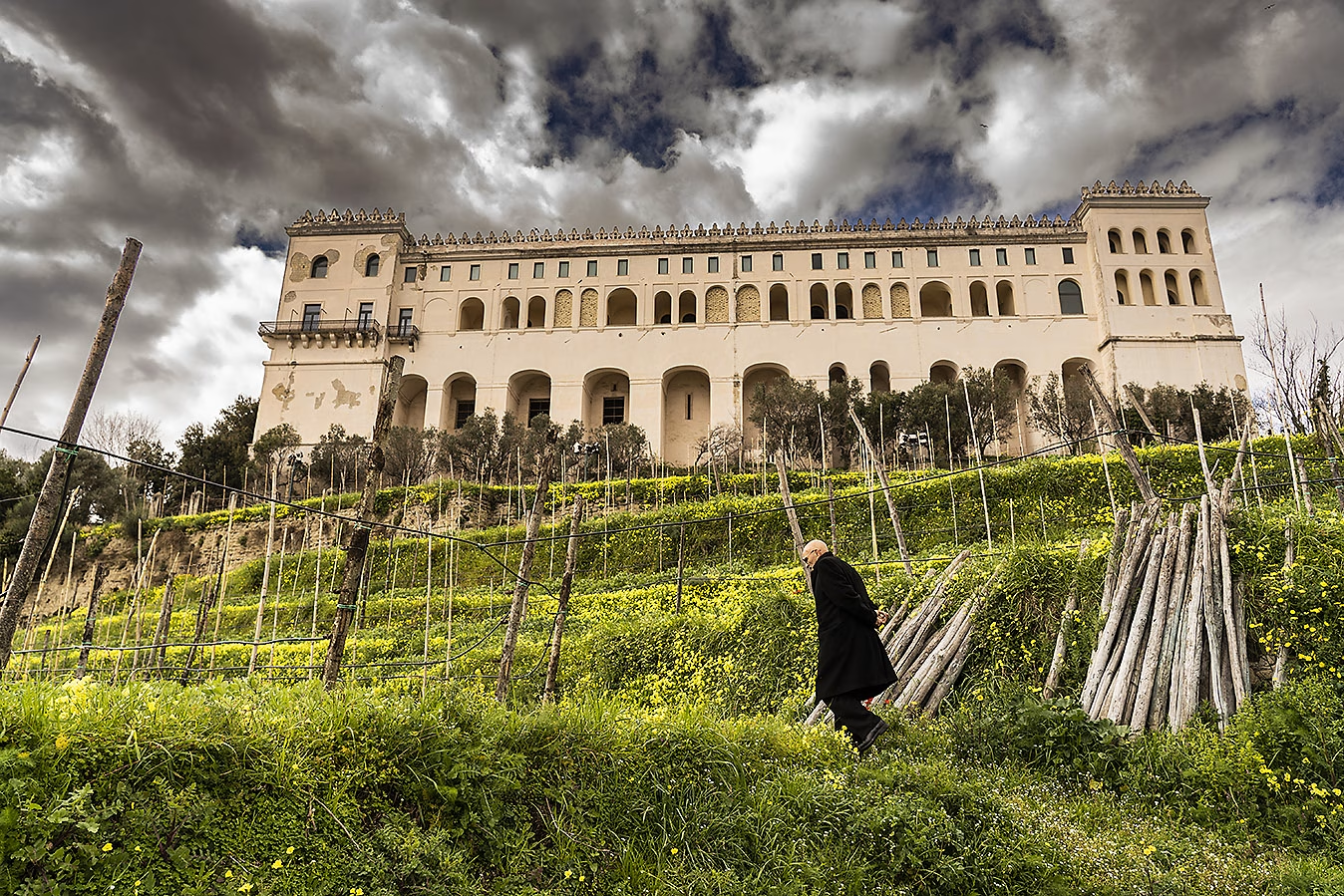
A visit to Vigna San Martino adds another layer to a day exploring the San Martino hillside. Below the Certosa, this surviving agricultural landscape began as land cultivated by Carthusian monks in the fourteenth century. Its terraces help explain how food production once occupied ground now surrounded by the city.
Vines, olive trees, fruit trees and vegetable plots bring the story back to the ingredients behind the Neapolitan table. A guided walk takes in historic paths, water-management systems and rural buildings, connecting the practical work of cultivation with the landscape you see from above.
Planning: guided visits are by reservation, with arrangements and duration confirmed when booking. The entrance is at Corso Vittorio Emanuele 340; plan the route separately from a visit to the Certosa above, and ask about the terraced paths if mobility is a consideration.
How to build food into your Naples stay
For a first stay of three or four nights, spread the repertoire across different meals: pizza, a traditional pasta dish, seafood and small pastry or market stops. Add one cultural-and-food excursion if time allows. Naples itself deserves unhurried days.
Reserve the particular restaurant or producer experience that matters to you, and leave some meals flexible. Market visits, a coffee at the bar and a simple neighbourhood lunch need not become appointments. Check allergies and dietary requirements directly with each kitchen or host.
Food visits are also worthwhile for curious families: a dairy visit offers something tangible to watch. At Vigna San Martino, the cultivated terraces offer a different way to explore the city’s history together.
Make food part of a wider journey
Start with our Naples travel guide and Naples holidays for the city’s cultural routes and places to stay. ExpertoItaly can help bring together accommodation, private cultural tours and food visits, as part of a tailor-made stay in the city.





 Facebook
 WhatsApp channel