In the north of Le Marche, the province of Pesaro e Urbino brings together a lived-in seaside city, gentle inland hills and a cluster of historic hill towns, with Urbino the best known. It’s an easy place to start if you are curious about Le Marche and prefer somewhere that still feels mostly Italian in rhythm and tone.


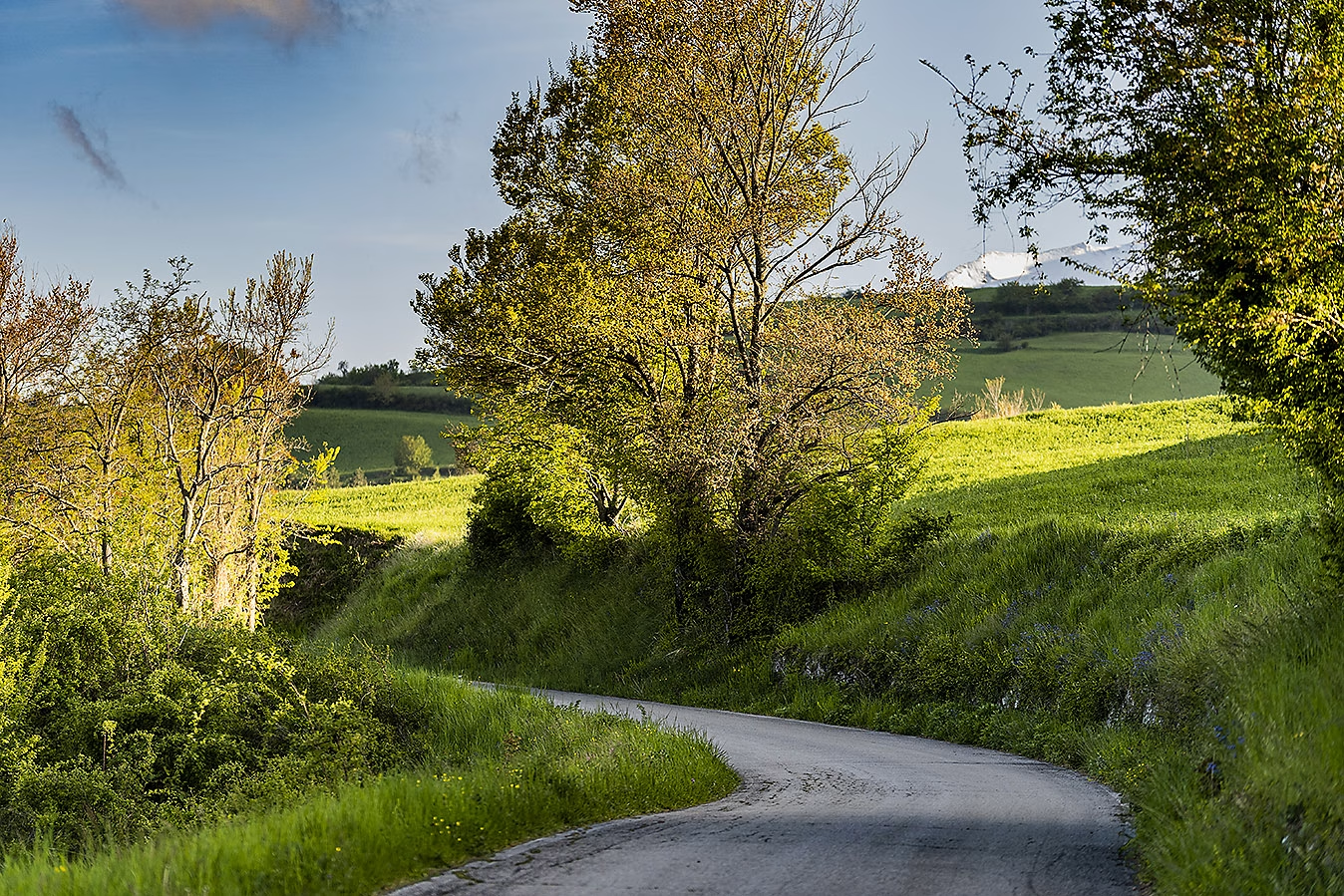
A quiet back road winding through the soft hills between Pesaro and the Apennines.
Pesaro Province at a Glance
Everything sits within about an hour – city, sea, countryside and hills.
Coast
Adriatic shoreline around Pesaro and neighbouring seaside towns.
Low hills
Small centres, farmland and agriturismi a few kilometres inland.
Higher towns
Urbino, Gradara and the first folds of the Apennines.
Typical distances
Around 1 hour to Urbino or Gradara; 60–90 minutes to the Frasassi area.
Is this corner of Le Marche for you?
⦾ You like the idea of a lived-in seaside city rather than a pure resort.
⦾ You enjoy short drives or transfers to hill towns, not epic road trips.
⦾ You’re happy to mix beach time with one or two focused sightseeing days.
⦾ You prefer places that still feel mainly Italian in language, rhythm and crowd.
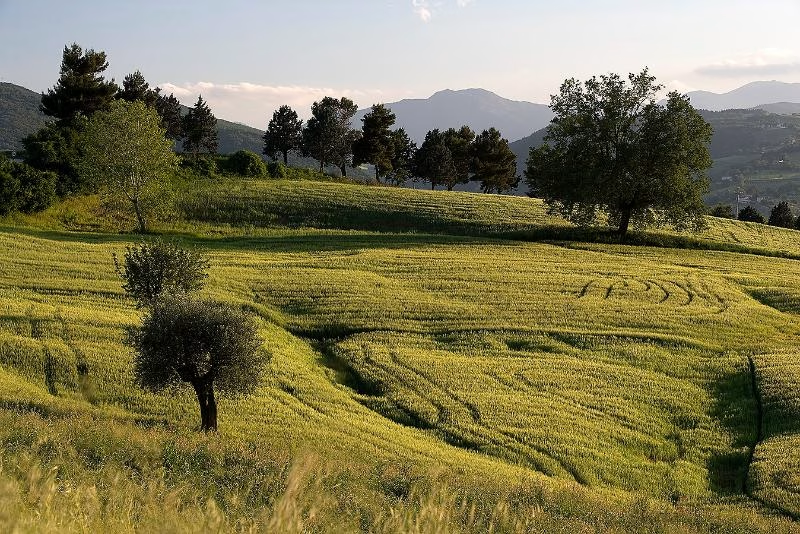
Softly contoured fields and lone trees show how gently the hills rise between Pesaro and the Apennines.
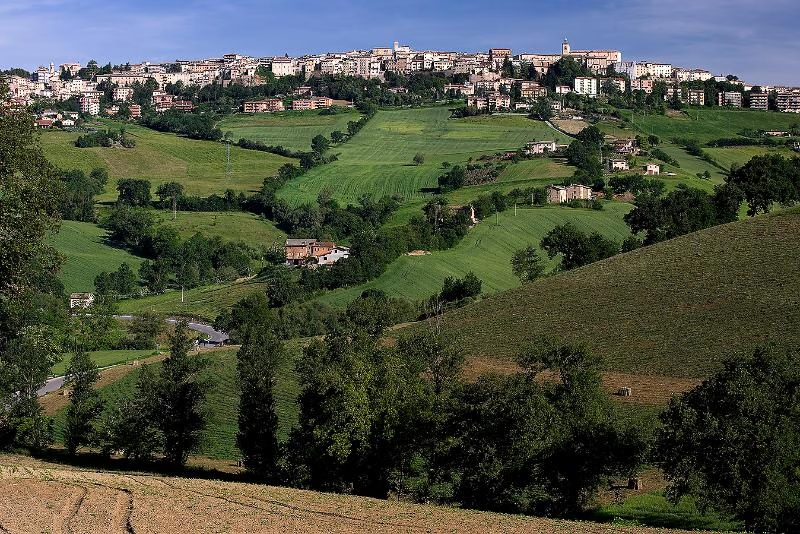
A classic Marche hill town perched above patchwork fields, easily reached on a gentle drive from Pesaro.
Pesaro: a seaside city with proper culture, walkable streets, and space to breathe
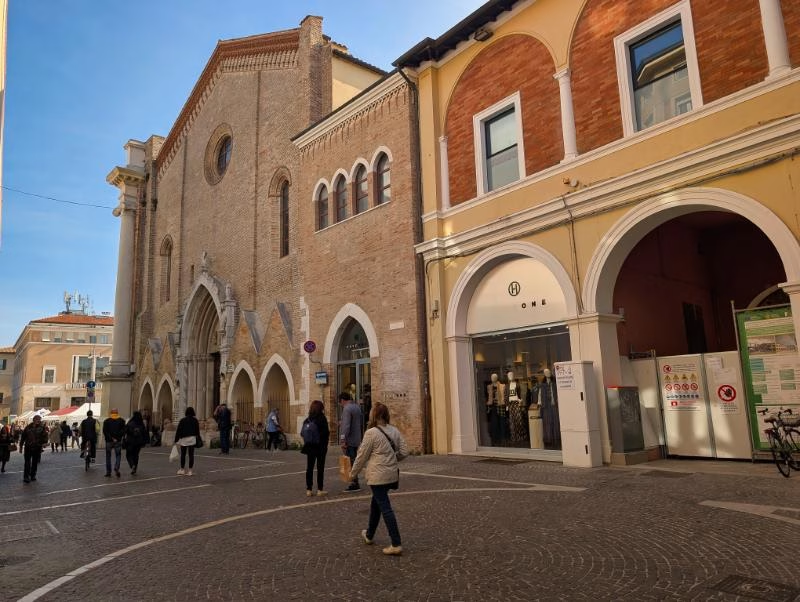
A lived-in historic centre where cathedral architecture, small shops and daily routines sit comfortably side by side.
Pesaro works on two levels at once: an easy Adriatic base for beach days and promenade walks, and a city with enough architecture, music heritage and everyday life to keep a stay varied. The seafront and the historic centre sit close together, so it’s simple to move between sea air, cultural stops and a relaxed evening in town.
The seafront: calm horizons and a beach made for slow days
The Adriatic here is typically gentle, with wide sand and an open horizon that suits unhurried mornings and late-afternoon walks. The promenade is designed for strolling and cycling, and the flat terrain makes it comfortable for most travellers.
- Morning: a short walk by the water when the promenade is quieter.
- Afternoon: beach time, then a simple transition into town for aperitivo and dinner.
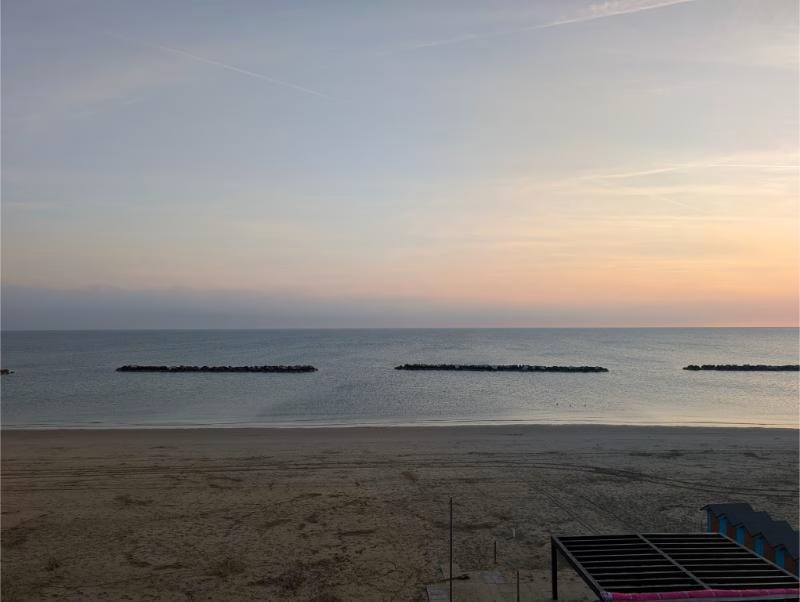
The Adriatic at sunset in Pesaro: wide sand, gentle water and a soft pastel horizon.
Liberty Pesaro: elegant coastal architecture beyond the obvious sights
Pesaro’s Liberty (Art Nouveau) buildings add a refined note to the city’s seaside identity. Ornate façades, curved ironwork and floral plaster details turn a simple walk into something more distinctive, especially in strong, clear daylight.
- Decorative relief work around windows and balconies
- Curved iron railings and sculpted motifs
- Pastel façades and carefully framed streetscapes
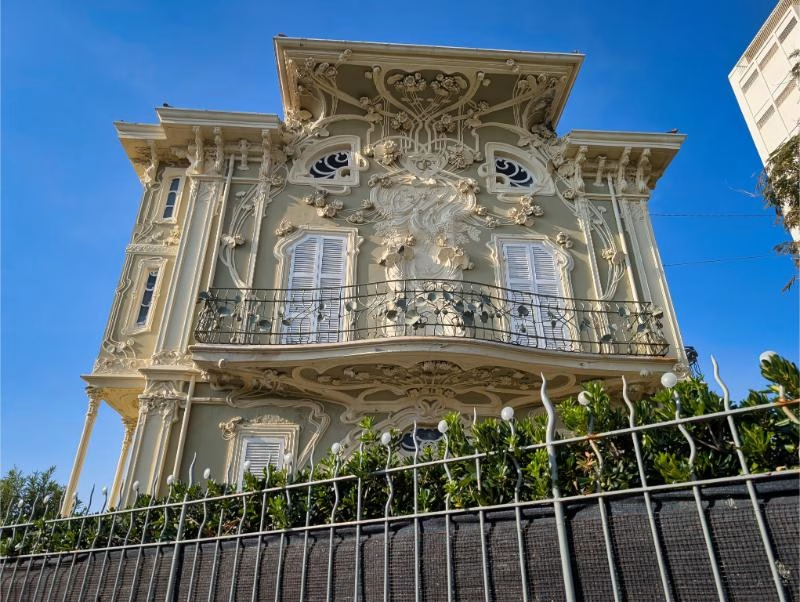
A fine example of Pesaro’s Liberty architecture, where floral decoration and ironwork add elegance to the seafront streets.
A modern landmark by the sea: the Sfera Grande
The Sfera Grande sculpture on the waterfront is one of Pesaro’s most recognisable contemporary landmarks. It sits naturally on a promenade route and works well as a short stop during a seafront walk, particularly when the light creates reflections on its surface.
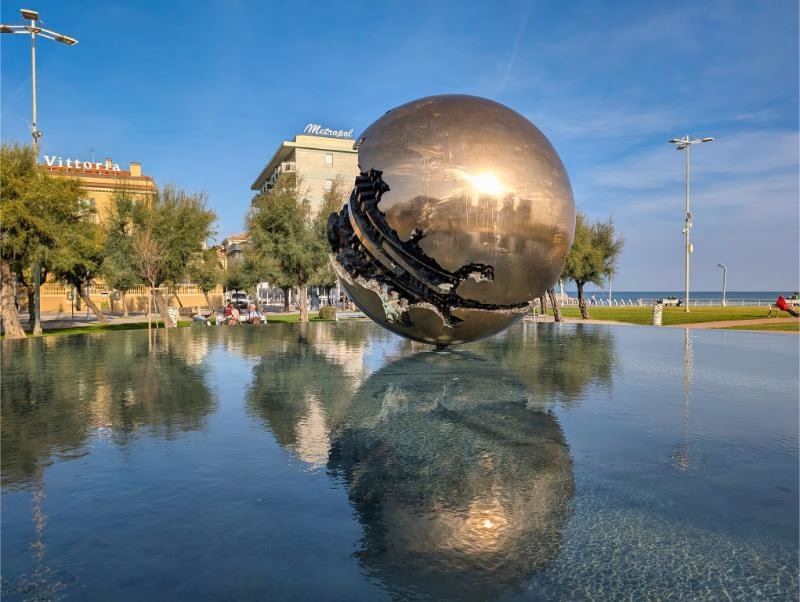
Pesaro’s most recognisable modern landmark, set along the seafront promenade with the Adriatic just beyond.
The centre: piazzas, markets and a lived-in Italian pace
Pesaro’s centre feels active without being intense: arcaded squares, people out on foot, and streets that make sense for wandering. The main piazza often hosts local stalls and small events, but even on quieter days it functions as the city’s social hub.
- Start with coffee in the centre
- Walk a simple loop of main streets and piazzas
- Pause for small shops, a bakery stop, or a quiet church interior
Rossini’s Pesaro: a cultural identity you meet in passing
Gioachino Rossini is central to Pesaro’s identity. The connection is easy to pick up through named places and city landmarks, and can be kept light and accessible or developed into a music-led theme, depending on interest.
The Cathedral: mosaics worth a short, focused visit
The cathedral mosaics reward a deliberate stop: pattern, iconography and craftsmanship that read clearly even without specialist knowledge. The interior adds calm and scale, making the visit feel like a pause from the streets rather than a full “museum-style” commitment.
- Allow 20–40 minutes for a focused visit
- Combine it with a short town walk rather than treating it as a stand-alone attraction
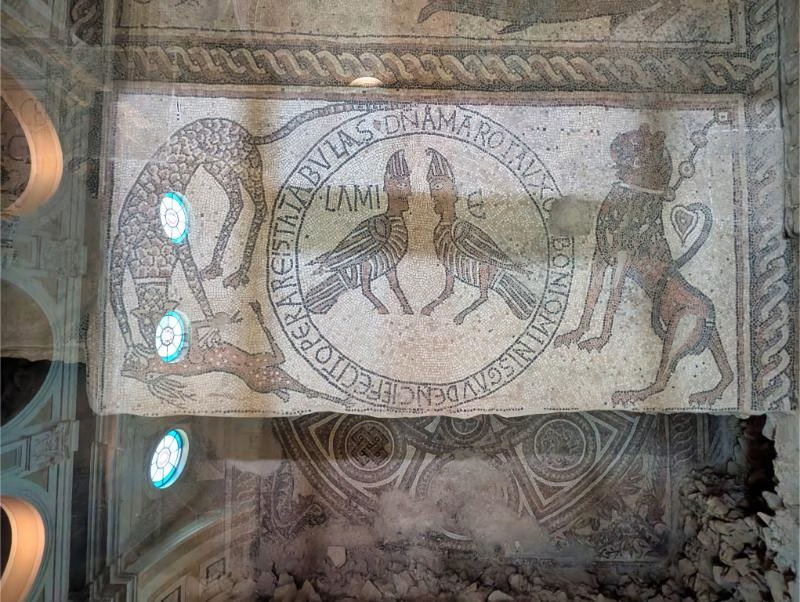
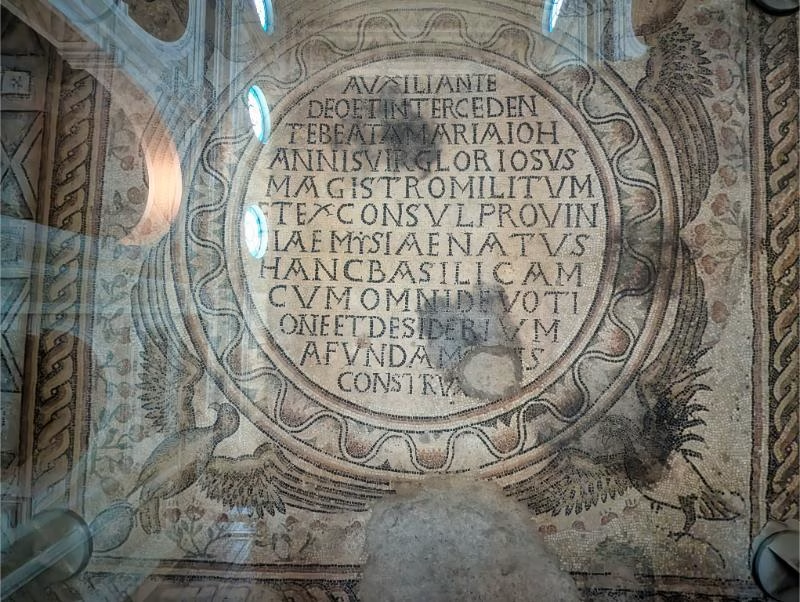
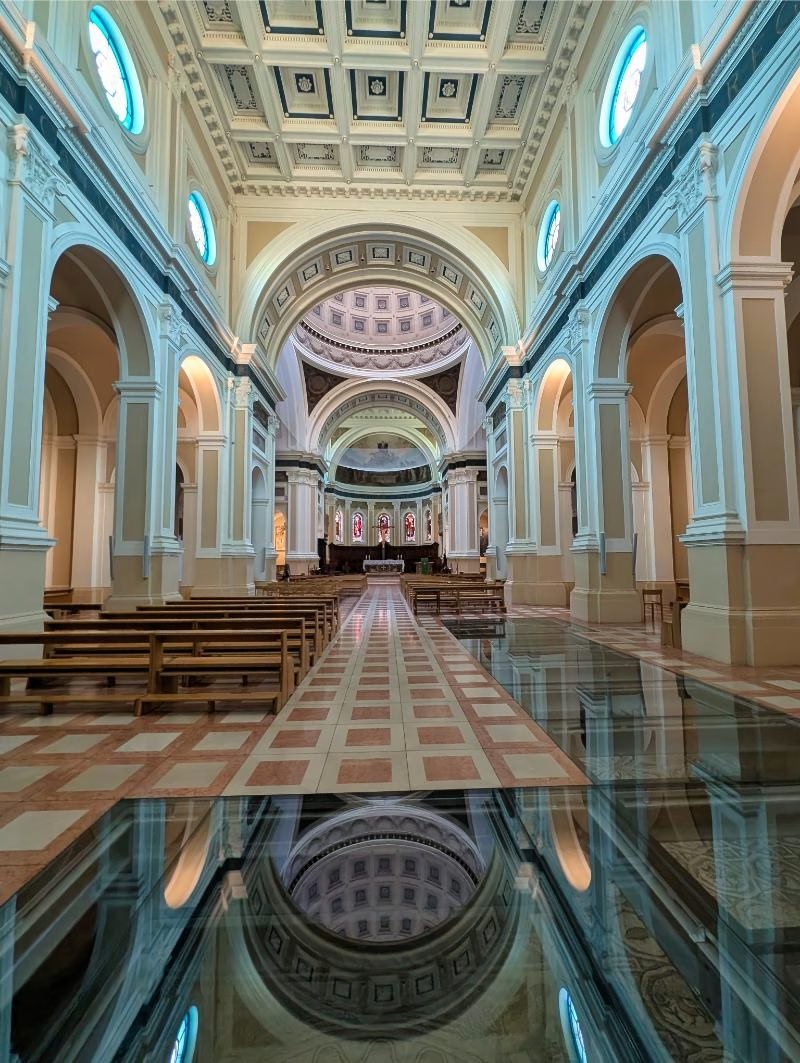
Beneath the cathedral’s calm, neoclassical interior lie much older layers: early Christian mosaics that reveal Pesaro’s long religious history, quietly preserved below today’s floor.
Evening Pesaro: fountains, light and a calm after-dinner walk
After dark, the city centre takes on a softer tone: buildings lit from below, fountains running, and a social atmosphere rather than nightlife intensity. A short stroll after dinner is often enough to enjoy this side of Pesaro.
- Dinner in the centre
- Walk to a lit-up piazza or fountain area
- Return via quieter streets back towards your accommodation
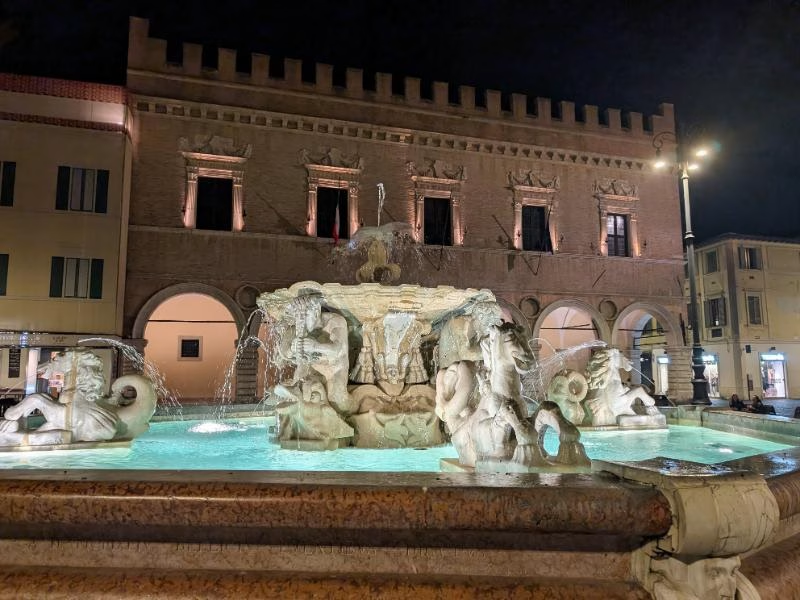
After dark, Pesaro’s main square settles into a quieter rhythm, with softly lit architecture and the steady sound of water at the centre.
Who Pesaro suits best
- Couples who want a seaside base with cultural depth
- Car-free travellers who value flat walking and a compact centre
- Multi-centre planners pairing Pesaro with cities like Bologna and Bari along the Adriatic high-speed rail
Inland Hills and Villages
A few kilometres inland from Pesaro, the coast gives way to low hills and small valleys. Fields of grain, vines and olives sit alongside woodland and scattered farmhouses. Here and there, small towns and villages occupy ridges or hilltops.
This area suits travellers who enjoy simple, local stops rather than ticking off a long list of sights: a coffee in a bar on the main square, lunch at a trattoria using produce from nearby farms, or a short detour to a viewpoint over fields and woods. Many agriturismi and country houses are found in this belt between Pesaro and Urbino, and further south towards Ancona.
Choose a countryside base if: you like space, gardens and a pool, are happy to drive short distances and prefer quiet days with three or four planned outings rather than changing hotel every couple of nights.
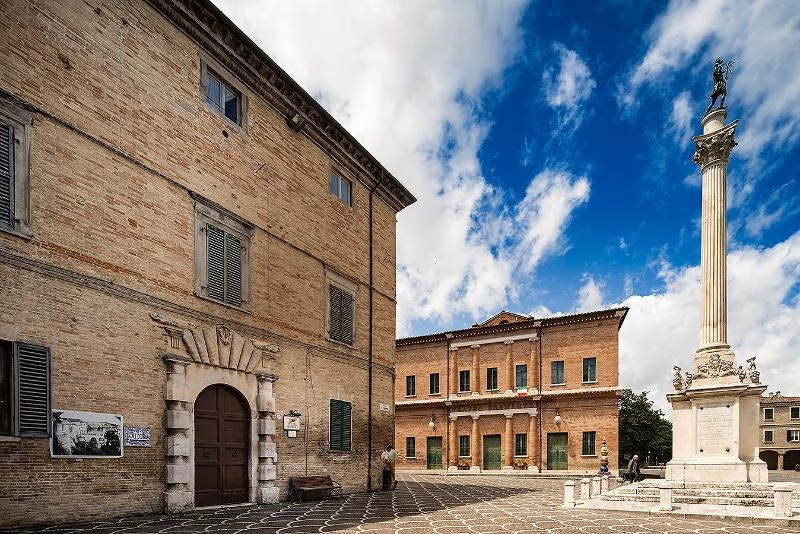
Urbania’s brick piazza, with its theatre and column, is a classic stop on a drive through the Marche hills.
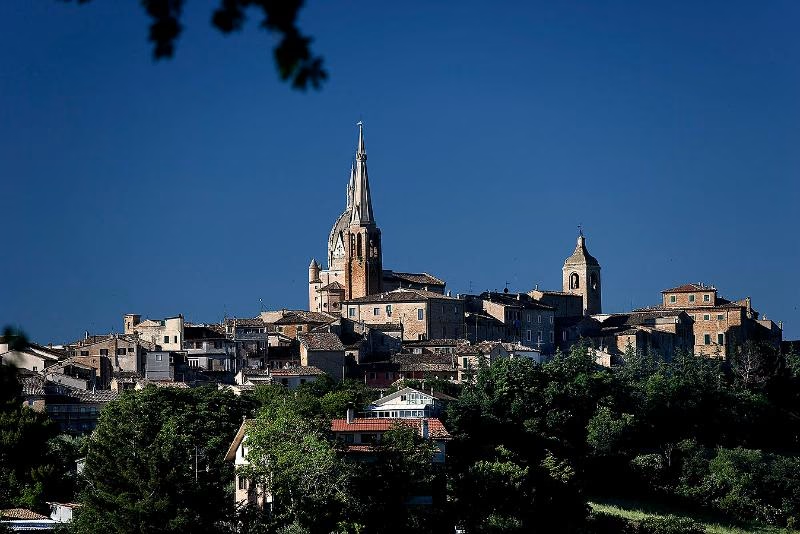
Ostra Vetere: a classic Marche hilltown perched above soft green valleys and winding country roads.
A Short Historical Background
Between bigger powers – for centuries this corner of Le Marche sat between the Papal States and neighbouring courts, leaving castles, religious houses and walled villages scattered across the hills.
Urbino’s golden age – in the fifteenth century Federico da Montefeltro turned Urbino into a court of architects, artists and scholars; his ducal palace still dominates the town and the university keeps it active beyond main visiting hours.
Port, music and hilltop forts – Pesaro grew as a port and commercial centre, later famous for Rossini and his festival, while Gradara and other fortified villages guarded ridges that today are simply good drives and walks.
Key Places in the Province
You could easily spend several days alternating between Pesaro’s historic centre and its waterfront. The wider province, however, offers a few places that add variety without making the holiday feel complicated. We cover each of these in more detail in separate articles.
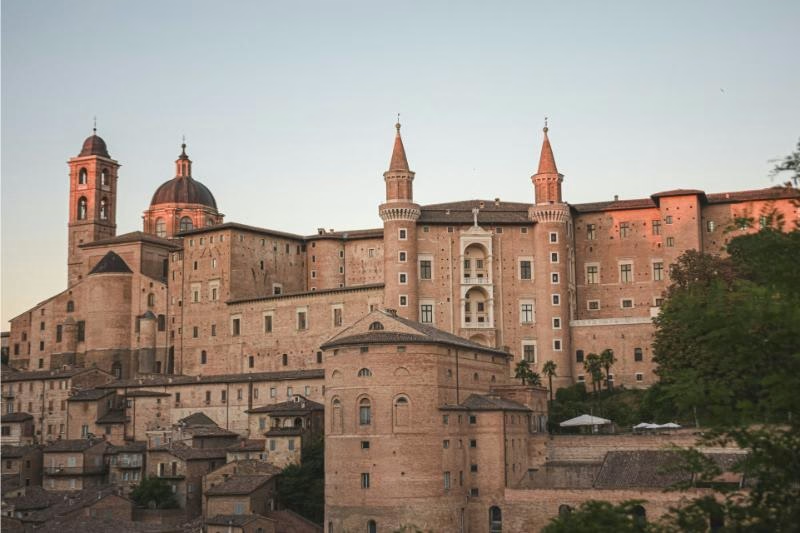
Urbino’s Palazzo Ducale and cathedral catching the last light – a compact Renaissance stage set on its own hilltop.
Urbino
The main inland town and a dense pocket of Renaissance architecture, galleries and steep streets with long views over the hills.
Why include Urbino: one concentrated day of serious Renaissance architecture, galleries and long views in a compact, walkable hill town.
Gradara
A compact hill village wrapped in walls around its castle, within easy reach of Pesaro and the Romagna coast.
Why include Gradara: when you want a simple outing of castle walls, countryside views and a relaxed lunch, without committing to a long excursion.
Frasassi Area
Narrower valleys and cliffs, best known for the Frasassi caves and a network of small villages, monasteries and walking routes above ground.
Why include Frasassi: if you enjoy a change of landscape and don’t mind a longer drive in exchange for caves, gorges and small, quiet settlements.
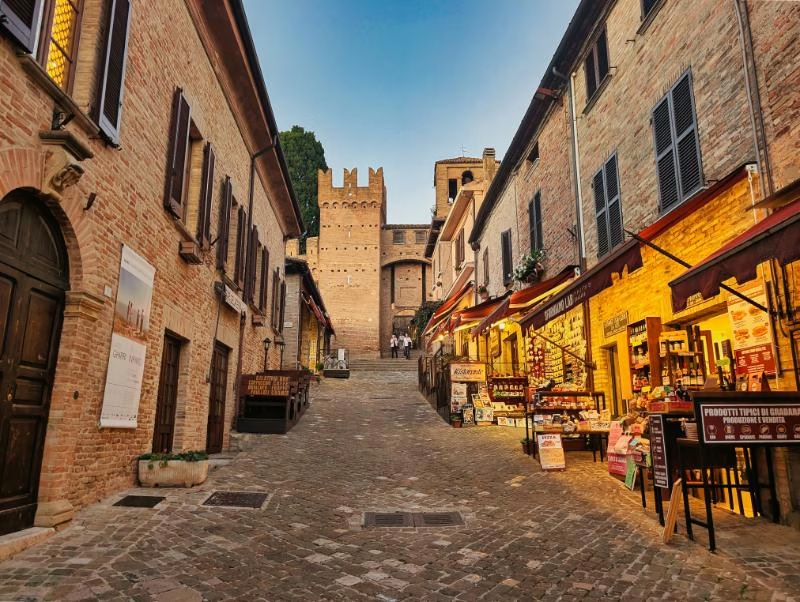
Gradara’s steep main street, climbing towards the castle with food shops and wine bars glowing at dusk.
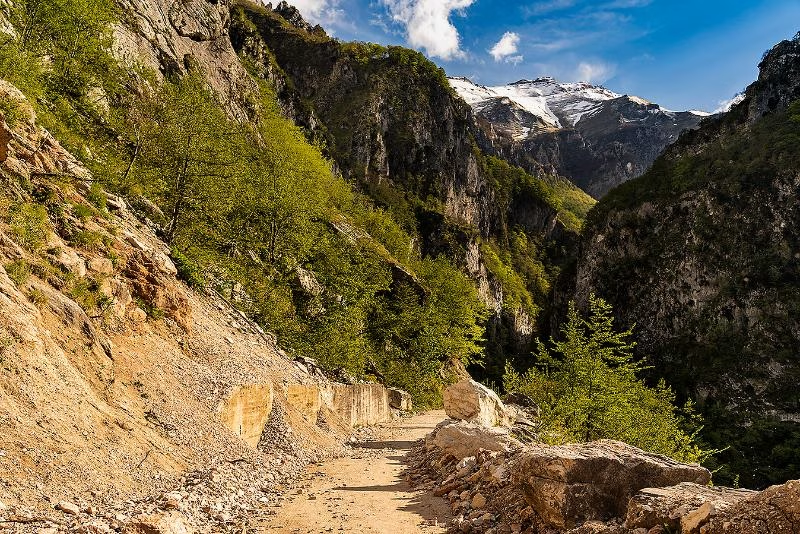
A scenic mountain trail through the Frasassi Gorge — where Le Marche’s soft hills turn rugged and wild.
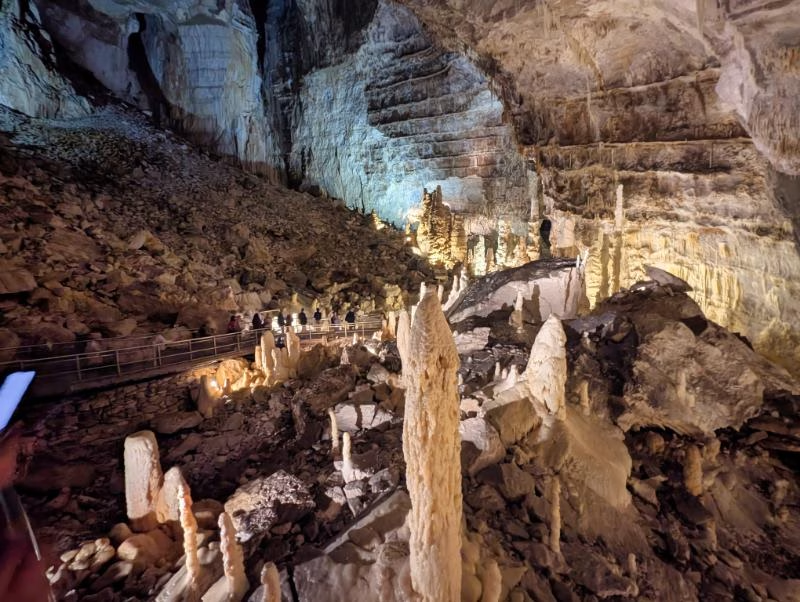
Visitors follow the raised path through the vast chambers and otherworldly formations of the Frasassi Caves.
Getting Around
By Train
Pesaro stands on the main Adriatic railway line. Fast services from Bologna start from around 1 hour 45 minutes, with additional InterCity and regional trains providing slower but often direct connections from other cities.
From the south, trains from Ancona and further down the coast stop at Pesaro as part of longer north–south routes. Arriving or leaving without a car is therefore straightforward. The station is in town; depending on where you stay, the historic centre or seafront is usually reached by a short walk or a brief taxi ride with luggage.
With some advance checking of timetables, trains and local buses also link Pesaro to towns such as Fano, Senigallia, Rimini and Urbino, so it is possible to explore beyond the city while remaining car-free.
By Air
For most international visitors, three airports tend to be most useful:
Bologna – the main hub, with frequent flights. From the airport, the shuttle to Bologna Centrale takes around 20–30 minutes, then fast trains to Pesaro start from about 1 hour 45 minutes.
Rimini – a smaller airport on the Romagna coast, helpful when there are suitable seasonal flights from the UK or other European cities. From Rimini, Pesaro is about 30–40 minutes by train or around an hour by private transfer, depending on traffic.
Ancona – a regional airport in southern Le Marche with domestic and some seasonal international services. Onward travel to Pesaro is by train via Ancona or by private transfer.
Private transfers from Bologna, Rimini or Ancona to accommodation in or around Pesaro can be arranged in advance and are often the simplest option after an early start or a long-haul flight.

Soft evening light on a quiet hilltop terrace, looking from the garden down towards the Adriatic and the Pesaro hills.
How Much You Actually Need a Car
Staying car-free
Station, historic centre and lungomare sit in a compact, mostly flat area.
Day-to-day movement is on foot; taxis are mainly for luggage transfers.
With some planning, trains and buses make day trips to Fano, Senigallia, Rimini and Urbino feasible.
Hiring a car
Best for countryside stays between Pesaro and Urbino with gardens and pools.
Short drives: roughly 20–30 minutes into Pesaro for the sea, 30–40 minutes to Urbino, about an hour to Gradara.
Allows easy loops through smaller villages and 60–90 minute trips to the Frasassi area.
A typical week with a car might include three or four outing days – Pesaro, Urbino, a loop through smaller villages and perhaps Frasassi – with the remaining time kept for the pool, local walks and nearby trattorie rather than long stretches on the road.
You are in good hands




Tailor-made Italy holidays, thoughtfully planned by ExpertoItaly.
Characterful places to stay, thoughtful routes and well-planned travel between them — across one region or several.
We arrange your accommodation, transport and experiences in Italy. Flights are booked separately.
About ExpertoItalyPlan with ExpertoItaly
Tell us where you would like to go, when you can travel and what matters to you.
Start planning your Italy holidayMonday–Thursday: 9am–6pm
Friday: 9am–5.30pm · UK time
At weekends, please send an enquiry.
Your holiday protection

Travel Trust Association
Member Q8055
Read how your holiday payments are protected through our TTA membership.
How your holiday is protectedItaly ideas and travel advice by email
Subscribe for destination ideas, places to stay and practical advice from ExpertoItaly.
We will never sell your details. Read our privacy policy.
Follow ExpertoItaly
 Facebook
 WhatsApp channel
Follow our travel updates. For help planning your own holiday, contact ExpertoItaly.
ExpertoItaly Ltd · Company registration no. 12035194 · TTA membership Q8055
Package holidays are sold by ExpertoItaly Ltd. Registered office: 33 Miles Close, London, SE28 0NJ.