


Experiencing Naples · Sacred art and Christmas
The Neapolitan Nativity: Sacred Story, Theatre and City Life
Why the presepe places the birth of Christ inside a crowded Neapolitan world—and how craftsmanship, symbolism and humour make it one of the city’s richest art forms.
In this article
What makes a Neapolitan presepe different
A Neapolitan nativity does not isolate the Holy Family in a quiet stable. The sacred event appears within a crowded, recognisable world of taverns, markets, musicians, merchants, animals, ruins and ordinary people absorbed in everyday life.
This apparent distraction is central to the form. The birth of Christ enters history while the world continues around it: some figures recognise what has happened, others remain busy, and the viewer moves between sacred narrative and the comedy, appetite and labour of the city.
The presepe is therefore devotional art, theatre and social observation at once. Its scale may range from a domestic group of figures to an architectural landscape occupying an entire room.
The eighteenth-century flowering
Nativity traditions in Naples are older, but the art reached an extraordinary level of invention during the eighteenth century. Royal and aristocratic patronage encouraged elaborate displays, while sculptors, stage designers, silversmiths, tailors and specialist craftsmen contributed to every part of the scene.
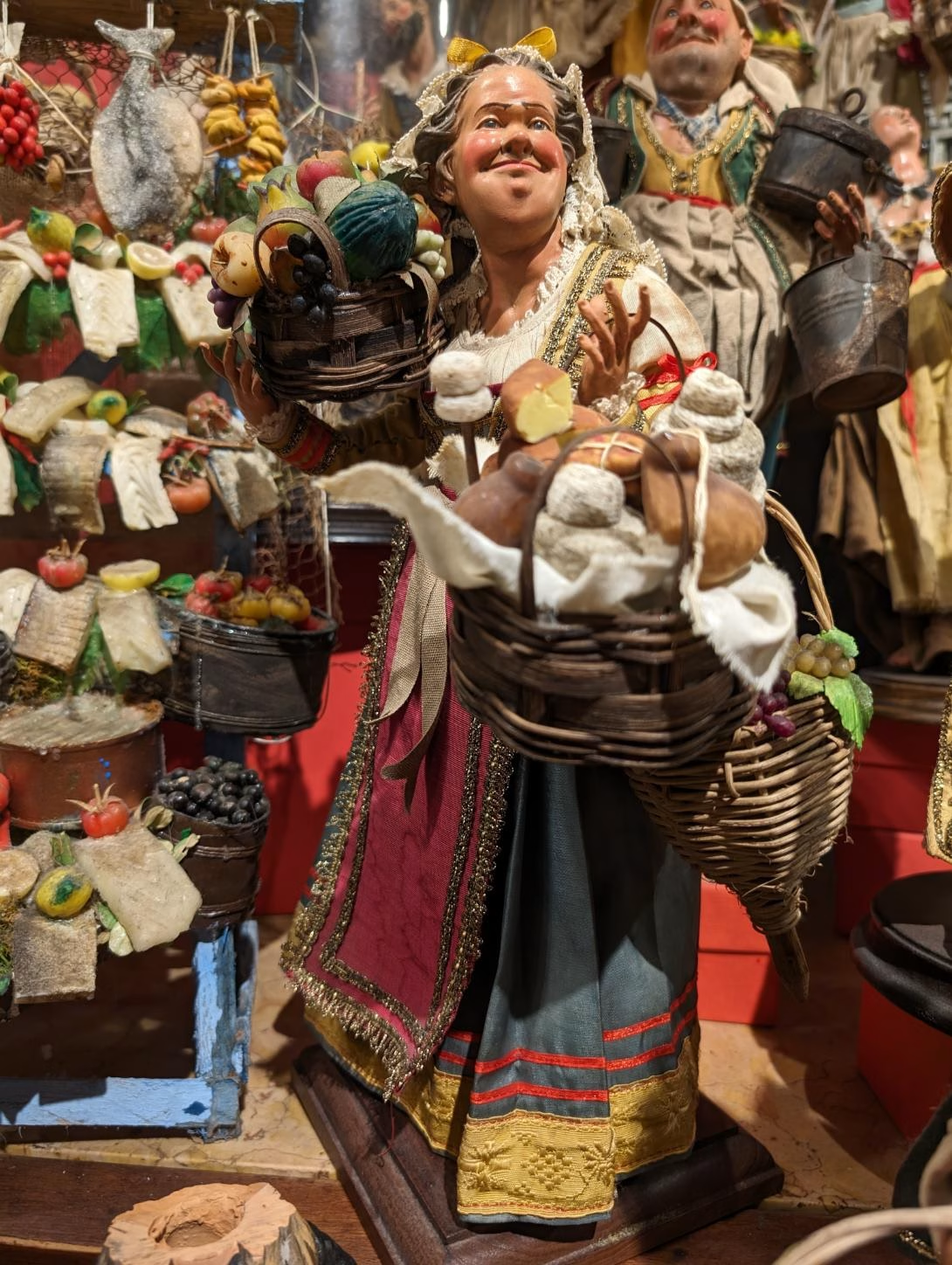
Figures were often modelled in terracotta with expressive faces, glass eyes and flexible bodies, then dressed in carefully made fabrics. Animals, food, musical instruments and miniature domestic objects received the same attention. The result resembles a theatrical production whose cast can be rearranged each year.

Figures, places and symbolism
The Holy Family, angels, shepherds and Magi provide the Christian narrative, but the surrounding figures carry further meanings. The sleeping shepherd Benino is traditionally linked with dream and revelation; the tavern may suggest appetite and worldly distraction; ruined classical architecture marks the passing of the old order and the arrival of the new.
Markets display abundance. Musicians, washerwomen, vendors, beggars and innkeepers give the scene movement and connect Bethlehem with Naples. Later makers have added recognisable public figures, a practice that attracts attention on San Gregorio Armeno but belongs to the satirical edge of the tradition rather than its sacred centre.
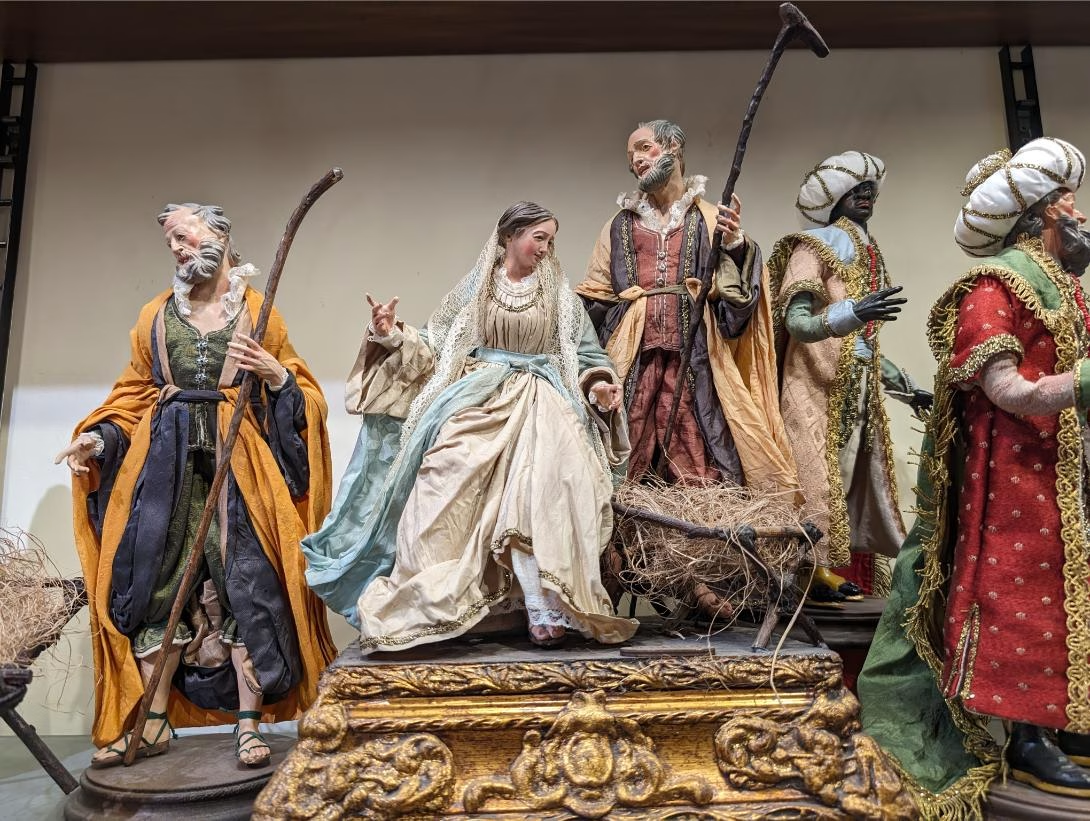

Not every object carries one fixed code. Meanings vary between periods, makers and family traditions. Read the scene through relationships—sacred and everyday, light and darkness, recognition and distraction—rather than treating it as a puzzle with one official solution.
Craft and San Gregorio Armeno
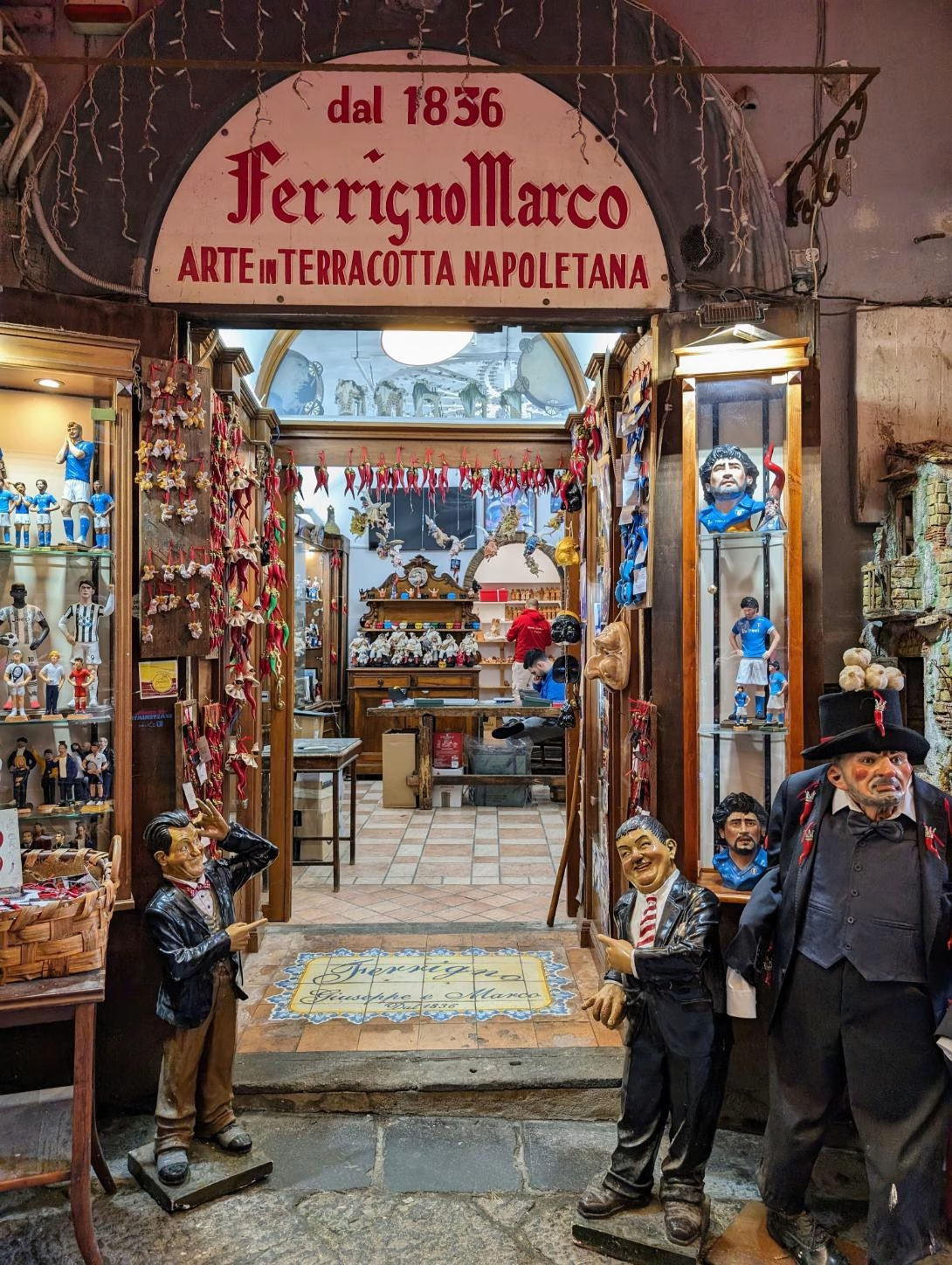
Via San Gregorio Armeno remains the best-known centre of nativity making. Workshops sell complete scenes, architectural elements, animals, accessories and figures at every level from inexpensive souvenirs to serious artisan work.
The street is worth visiting throughout the year, when it is easier to look closely and speak with makers. During Advent it becomes much busier and more theatrical. That atmosphere is part of a Christmas stay, but visitors interested in craftsmanship should go early in the day and step beyond the most conspicuous celebrity figurines.
Why Naples works at Christmas
Christmas gives the presepe its fullest setting, but Naples offers much more than one famous shopping street. Churches display historic and contemporary nativities; music, food and religious observance occupy the same weeks; the city’s museums and sacred interiors remain central to the experience.
Naples is also a practical winter city. The principal neighbourhoods can be explored without a car, restaurants and cultural life continue beyond a short festive market season, and the bay gives clear days a remarkable light. Rain is possible and the historic centre becomes intensely busy around weekends and holidays, so the best programme alternates popular areas with museums, the waterfront and quieter districts.

Where and how to see the tradition
San Gregorio Armeno
Visit for living workshops and the commercial life of the craft. Go early during Advent and allow the street to be crowded.
Museums and historic collections
The Certosa di San Martino and other Neapolitan collections preserve important historic presepi and figures. Confirm seasonal displays before travelling.
Churches
Nativity scenes in sacred settings restore the devotional purpose sometimes obscured by the spectacle of the shopping street.
Artisan purchases
Ask about materials, authorship and scale. A single well-made figure can carry more meaning than a complete mass-produced scene.
Combine San Gregorio Armeno with the nearby Duomo and selected churches, but avoid forcing every major Christmas sight into one crowded afternoon. Our historic-centre walk explains the wider sacred and urban setting.
See the presepe as Naples sees it
The Neapolitan nativity is compelling because it holds devotion, craftsmanship, theatre and ordinary life together. Return to the main Naples travel guide to plan a winter stay, or explore our Naples holidays for hotels and longer combinations.





 Facebook
 WhatsApp channel