


In this article
Understand the region · Choose your pace
Sorrento, Naples, Positano, Capri and Ischia often appear together in holiday brochures. They belong to the same wider region, but they do not share the same coastline—or offer the same starting point for your days out.
The Sorrentine Peninsula separates the Bay of Naples from the Gulf of Salerno. Understanding that simple distinction helps you choose where to stay, decide whether you need a car and combine two locations without spending the holiday retracing your route.
Two gulfs, one peninsula
Sorrento is on the Bay of Naples, not the Amalfi Coast. It faces north across the water towards Naples and Vesuvius. On the other side of the peninsula, Positano and Amalfi face the Gulf of Salerno. Between them rise the Lattari Mountains: places that look close on a map may require a winding road journey or a boat connection.
| Area | Where it fits |
|---|---|
| Bay of Naples | Naples, the shore below Vesuvius and the northern side of the Sorrentine Peninsula. Pompeii and Herculaneum belong with this part of the holiday. |
| Amalfi Coast | The southern coast from Positano towards Vietri sul Mare, facing the Gulf of Salerno. Ravello sits above the shore. |
| Massa Lubrense | The district around the peninsula’s western tip, with villages, hillsides and coves facing both gulfs. |
| The islands | Capri lies off the peninsula’s tip. Ischia and Procida lie across the bay towards the Phlegraean coast, west of Naples. |
This guide explains the relationships between the bases. For the coastal towns, their cultural history and places to visit, continue to our Amalfi Coast travel guide.
Naples, Vesuvius and Sorrento: the Bay of Naples experience
Naples gives you a city stay with museums, historic neighbourhoods and evenings on foot. Sorrento offers a smaller seaside town, with a railway and port that make it a useful base for several different excursions. Neither needs to be treated merely as somewhere to sleep between outings.
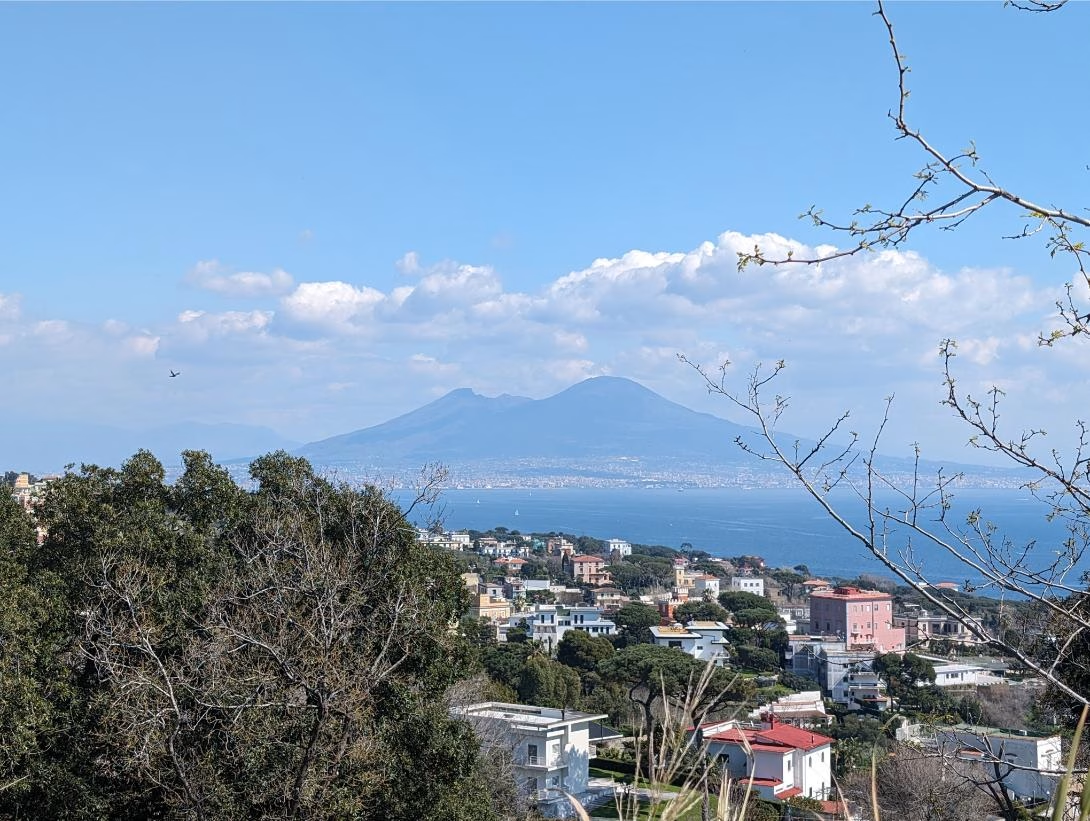
Keep Pompeii, Herculaneum and Vesuvius together geographically
Vesuvius is part of the Bay of Naples experience. Its connection with Pompeii and Herculaneum gives these visits a shared historical and geological context. That does not mean trying to fit all three into one day.
Naples and Sorrento are practical bases for Pompeii because the Naples–Sorrento railway serves the archaeological site. Herculaneum also lies along this rail corridor, with a walk from its station. Our Pompeii and Herculaneum guide helps you choose how much archaeology to include; visiting Vesuvius needs separate planning for the onward road journey and crater walk.
Why Pompeii is a longer proposition from the coast
From Positano or Amalfi, a visit is certainly possible, but reaching the archaeological area adds a coastal or cross-peninsula journey. Bends, traffic and connections can make the day tiring, especially when repeated for several excursions. A private driver removes the work of driving and parking; it cannot remove congestion.
If archaeology and Vesuvius are priorities, place them in the Naples or Sorrento part of the holiday. A guided visit during a transfer can sometimes work too, provided luggage, timings and the length of the day are planned properly.
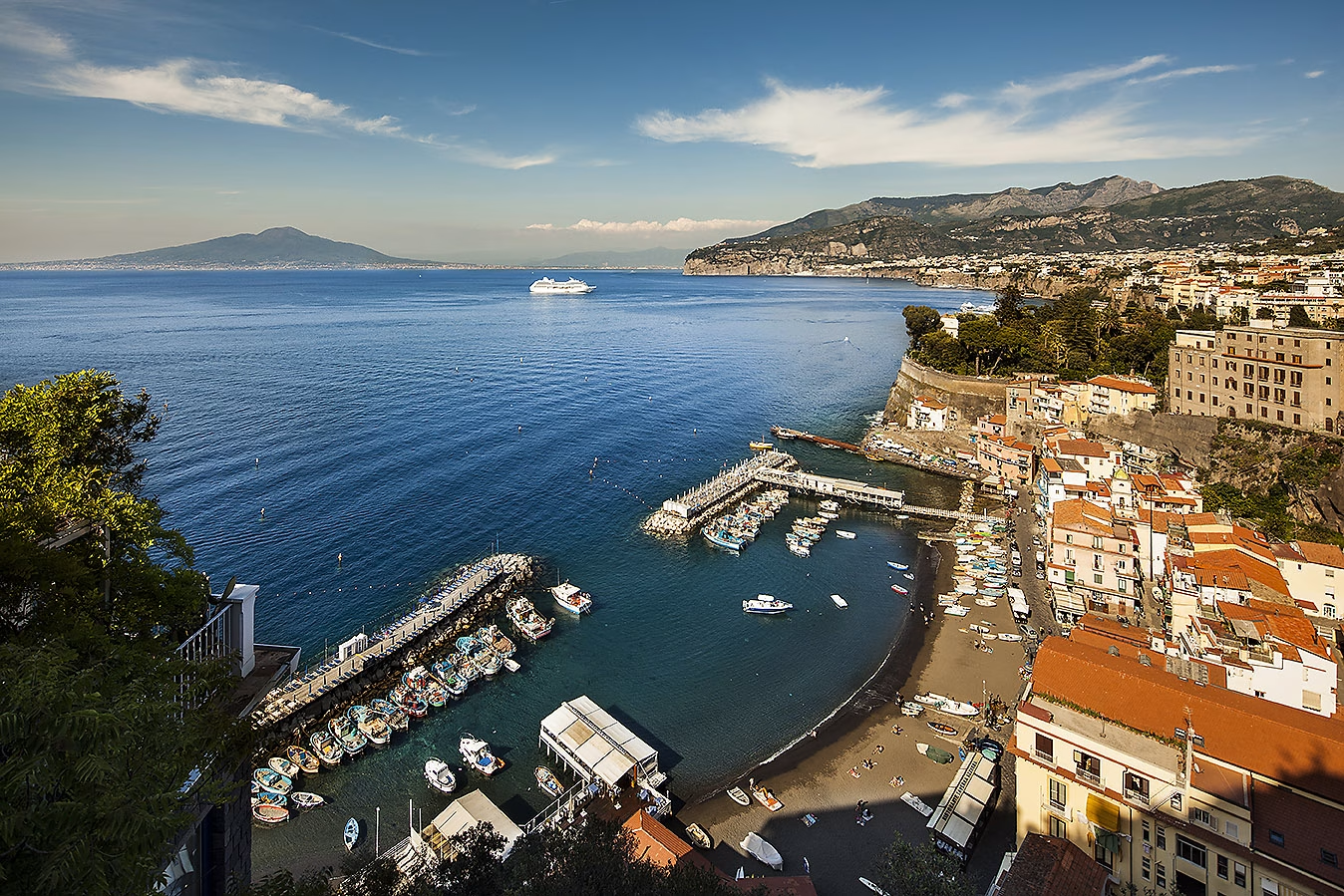
Choose a stay in Sorrento when you want town life and a varied programme of outings. Choose time in Naples when the city’s own art, streets and food are central to the trip. Both work best when you leave some days close to your base.
The Amalfi Coast: stay for the coast itself
Across the peninsula, the balance changes. Here, the appeal is spending time among the coastal towns, walking above the sea, taking a boat along the shore and enjoying the setting of your accommodation. It is a good place to reduce the number of long mainland excursions.

The towns do not all offer the same access. Amalfi is a useful meeting point for coastal transport; a hillside hotel or a stay above the shore introduces another stage to the journey. Salerno is the eastern gateway, worth considering for arrival and onward rail connections rather than automatically approaching everything through Sorrento.
For detailed town comparisons, use the main guide linked above. Our selected Amalfi Coast stays then help match the location with the room, terrace and facilities you want.
Capri, Ischia and Procida: three separate island decisions
Capri sits just beyond the western tip of the peninsula. Its position makes a visit from Sorrento a natural possibility, although boat arrangements still depend on your dates. An overnight stay gives more time for walking and evenings after the day visitors leave. Our guide to Capri as a day trip or an overnight stay explains the choice.
Ischia lies on the other side of the bay. It is a substantial destination in its own right, with several towns, sandy beaches, gardens and thermal bathing. It suits travellers who want leisurely days with enough variety to explore locally, rather than returning to the mainland for sightseeing every other day.

A Naples stay followed by a holiday on Ischia creates a clear change of pace. Sorrento and Ischia can also complement each other, but the actual crossing should be checked before fixing the sequence. Do not assume that every pair of ports has a direct, year-round service.
Procida sits between Ischia and the mainland’s Phlegraean coast. It is another distinct island, rather than an Amalfi Coast town or a compulsory extra stop. Include it when its harbour life and smaller scale match your interests, with enough time for the crossing.
Massa Lubrense: choose a slower peninsula stay
Massa Lubrense is a district, not one compact resort. Sant’Agata sui Due Golfi, Termini, Nerano and the surrounding countryside offer different relationships with the sea, restaurants and transport. Its position around the end of the peninsula explains the views towards both gulfs and Capri.

This area can be particularly rewarding when you want a pool, a terrace, local walks and leisurely meals, with occasional outings. It is less convenient than central Sorrento if your intention is to catch a train or ferry to somewhere different most mornings.
Look closely at where to stay in Massa Lubrense and Nerano: a village address, a rural hotel and an apartment above a beach create quite different holidays. The practical questions are whether you can walk to dinner, how you reach the water and how much time you want to spend at the property.
Massa Lubrense or Ischia for leisure?
Massa Lubrense suits a peninsula retreat centred on your chosen property, coves and countryside. Ischia offers a wider island stay with beaches, thermal facilities and several towns to explore. Both deserve time locally; neither should be chosen solely as a launch point for a busy mainland itinerary.
Driving or car-free? Decide for each base
A car is not automatically the easiest way to connect this region. Rail, ferries and private transfers can be combined, while a hire car may be useful for only one part of a wider journey.
Naples and central Sorrento
Start with a car-free plan. Walking and local transport cover much of a Naples stay, while Sorrento has the railway and port. Check the hotel’s position: the upper town, waterfront and outlying hillside properties are not equally convenient.
The Amalfi Coast
Private arrival transfers and boats, where operating, can reduce dependence on the coastal road. Buses remain useful, but share its traffic. A car brings parking and access considerations; hiring one does not turn the coast into a quick circuit of towns. Our Amalfi Coast driving guide explains the fuller decision.
Massa Lubrense
A car can be helpful for dispersed villages and rural accommodation. A car-free stay is also possible when the property has suitable dining, local access and transport arrangements. Confirm what is genuinely walkable rather than relying on the distance to Sorrento.
Ischia and Capri
On Ischia, consider buses, taxis and any hotel shuttle against the location of your accommodation. On Capri, plan around walking and island transport. Check current vehicle-entry rules before considering taking a vehicle to either island.
Car-free still needs a little planning
Check the full journey from the room to the station, bus stop or boat—not just the service between towns. Steps, gradients, luggage and the last connection home matter. Mainland–island links and seasonal coastal routes have different operating patterns; sea conditions can also affect sailings.
Use EAV’s current rail information, Travelmar’s coastal services and Caremar’s island connections when checking your dates.
Combine bases when the move improves your days
For seven nights, one well-chosen base is usually enough. For 10–14 nights, two bases often give a useful contrast. A third stop should add something distinct and leave enough time to enjoy it.
| Combination | Why it works |
|---|---|
| Naples + Amalfi Coast | Give the city, archaeology and Vesuvius their own part of the holiday, then focus on the coastal landscape. |
| Sorrento + Ischia | Begin with town life and selected excursions, then spend longer days swimming, exploring the island and enjoying thermal facilities. |
| Naples + Massa Lubrense | Pair a cultural city stay with a quieter peninsula property and fewer scheduled outings. |
| Sorrento + Amalfi Coast | Use the first base for Bay of Naples visits and the second for time on the southern coast. Avoid repeating the same excursions from both. |
Choose the sequence around your arrival, departure and actual transport connections. The useful measure is how much of each day you can spend enjoying the place, rather than how many names appear in the itinerary.
Plan one coherent holiday
Our Amalfi Coast and Bay of Naples holiday collection brings the bases, accommodation and sample combinations together. Tell us the places you want to see and how much leisure time you would like, and we can arrange the stays, transfers and selected private tours around that balance. ExpertoItaly arranges land-only holidays; we plan around the flights you choose.





 Facebook
 WhatsApp channel