


Pozzuoli · An area guide
Pozzuoli and the Phlegraean Fields: What to See and How to Plan Your Stay
Get to know Pozzuoli and the coast west of Naples: the main sights, volcanic lakes, waterfront life and practical choices for a day trip or a longer stay.
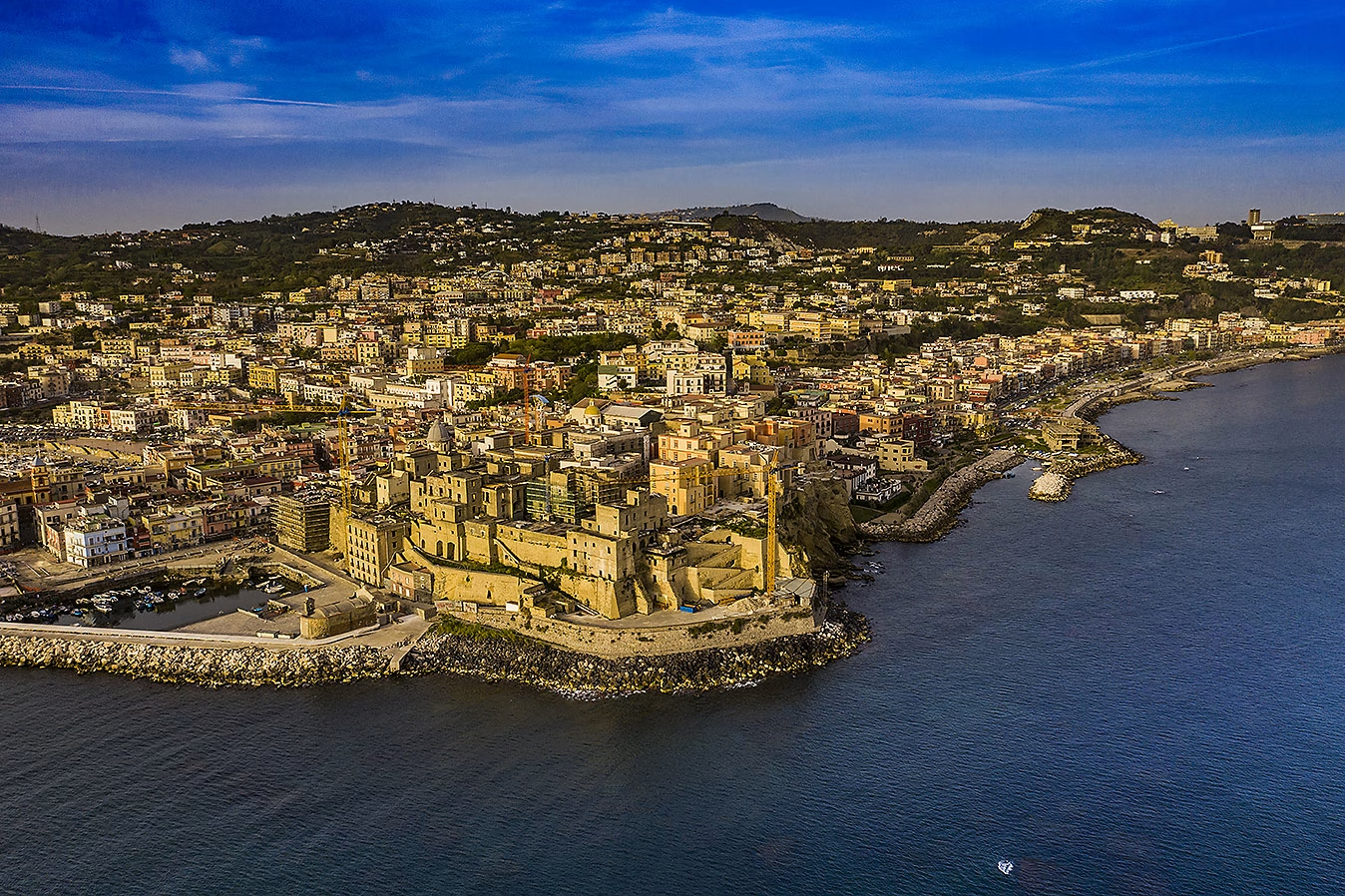
Rione Terra, the historic nucleus of Pozzuoli. Beneath its later buildings survive streets of Puteoli, established as a Roman colony in 194 BC.
In this article
A coastal town with a remarkable Roman past
Pozzuoli brings together substantial Roman remains, a working harbour and a coastline of volcanic lakes and headlands. Stay a few nights and there is time to explore the archaeological sites, have lunch by the water and enjoy evenings in town.
An independent town within the metropolitan area of Naples, Pozzuoli lies west of the city, on its own gulf within the wider Bay of Naples. It gives a different perspective on the region: Roman ports, villas and waterworks set among the volcanic landscapes of the Phlegraean Fields, or Campi Flegrei.
A landscape shaped by volcanoes
The Phlegraean Fields form a broad volcanic caldera: a depression created when ground collapsed after major eruptions. Later activity produced craters within it, some now occupied by lakes. This explains the close succession of hills, enclosed basins and stretches of coast around Pozzuoli. Avernus and Solfatara are parts of this wider volcanic system.
People made use of that landscape for centuries. Sheltered water supported ports, thermal waters encouraged bathing, and volcanic stone supplied building material. The connection between geology and settlement runs through almost every visit in this guide.
It suits travellers drawn to history, landscape and the sea. A half-day excursion can introduce the town; a longer stay makes the dispersed sites easier to enjoy. For a first visit to the region, it complements the museums and historic streets covered in our Naples travel guide.
For accommodation and help shaping a stay, see our Pozzuoli and Campi Flegrei holidays.
The Flavian Amphitheatre
Ancient Puteoli was a major commercial port of the Roman world. Grain and goods arrived here from across the Mediterranean, and the Flavian Amphitheatre gives a measure of the town’s wealth and importance. Built in the first century AD, it is one of Italy’s most important surviving Roman amphitheatres.
The arena and the service spaces below it are the principal things to see. Where access permits, the underground corridors and chambers offer a different perspective on the scale of the building.
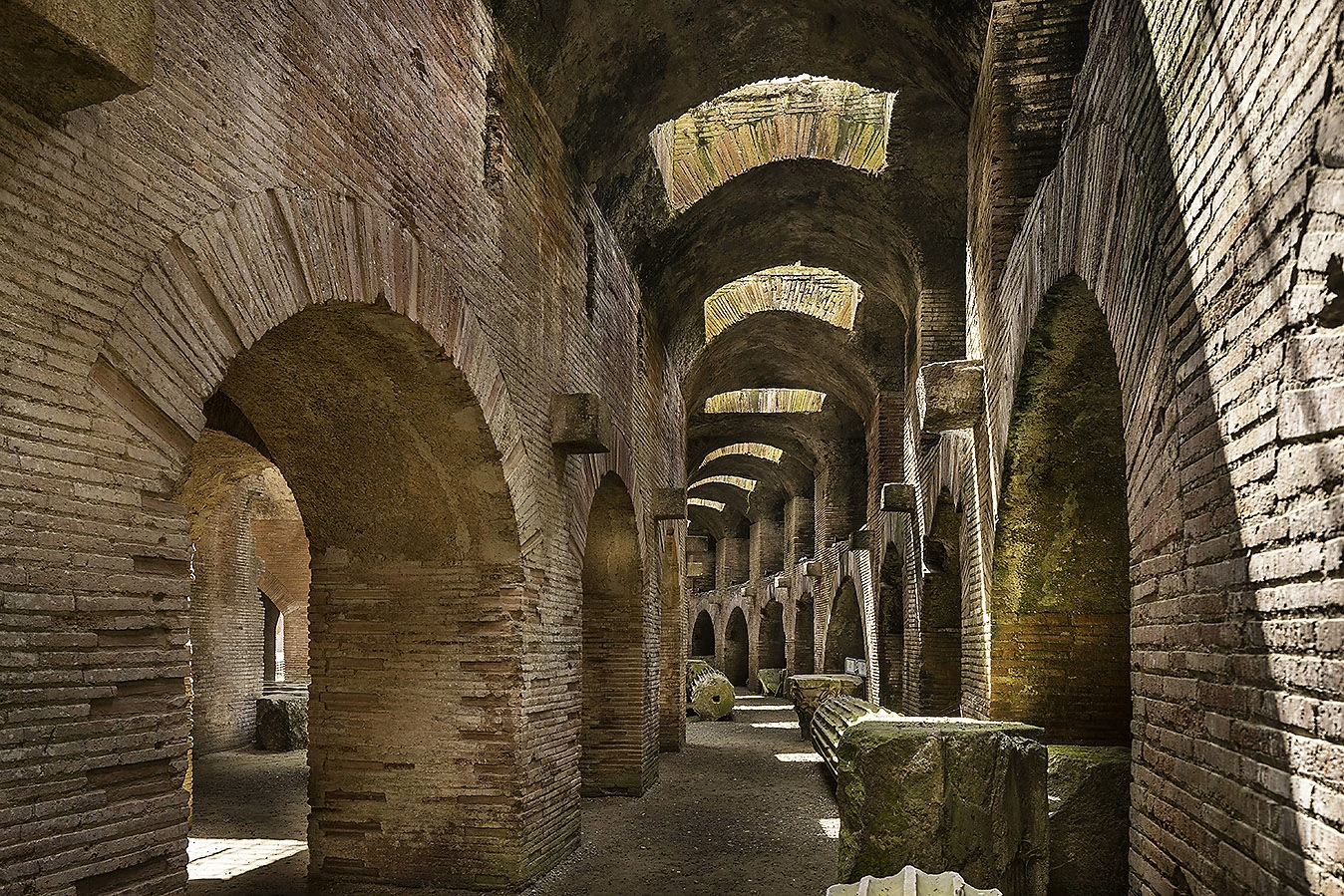
Allow roughly an hour for a visit, longer with a guide. The site is open, but access to the underground areas is not guaranteed every day; confirm this if it is a priority.
The Macellum, or Temple of Serapis
Down near the harbour, the three tall columns belong to the Macellum, the Roman food market. Its familiar name, Temple of Serapis, came from the discovery of a statue of the god; the complex itself was a market.
Marine-boring molluscs left holes in the columns during periods when the ground lay lower in relation to the sea. They help explain bradyseism, the slow rising and falling of the ground in this volcanic area. Here, the remains record both Roman daily life and the changing coastline.
The Macellum is currently closed to public entry. Plan to appreciate it from the surrounding streets, rather than assuming you can walk among the remains.
Rione Terra and modern Pozzuoli
Rione Terra, the compact headland above the harbour shown in the opening photograph, is central to understanding Pozzuoli. The town developed here in successive layers: ancient streets beneath later buildings, and a Roman temple incorporated into the cathedral.
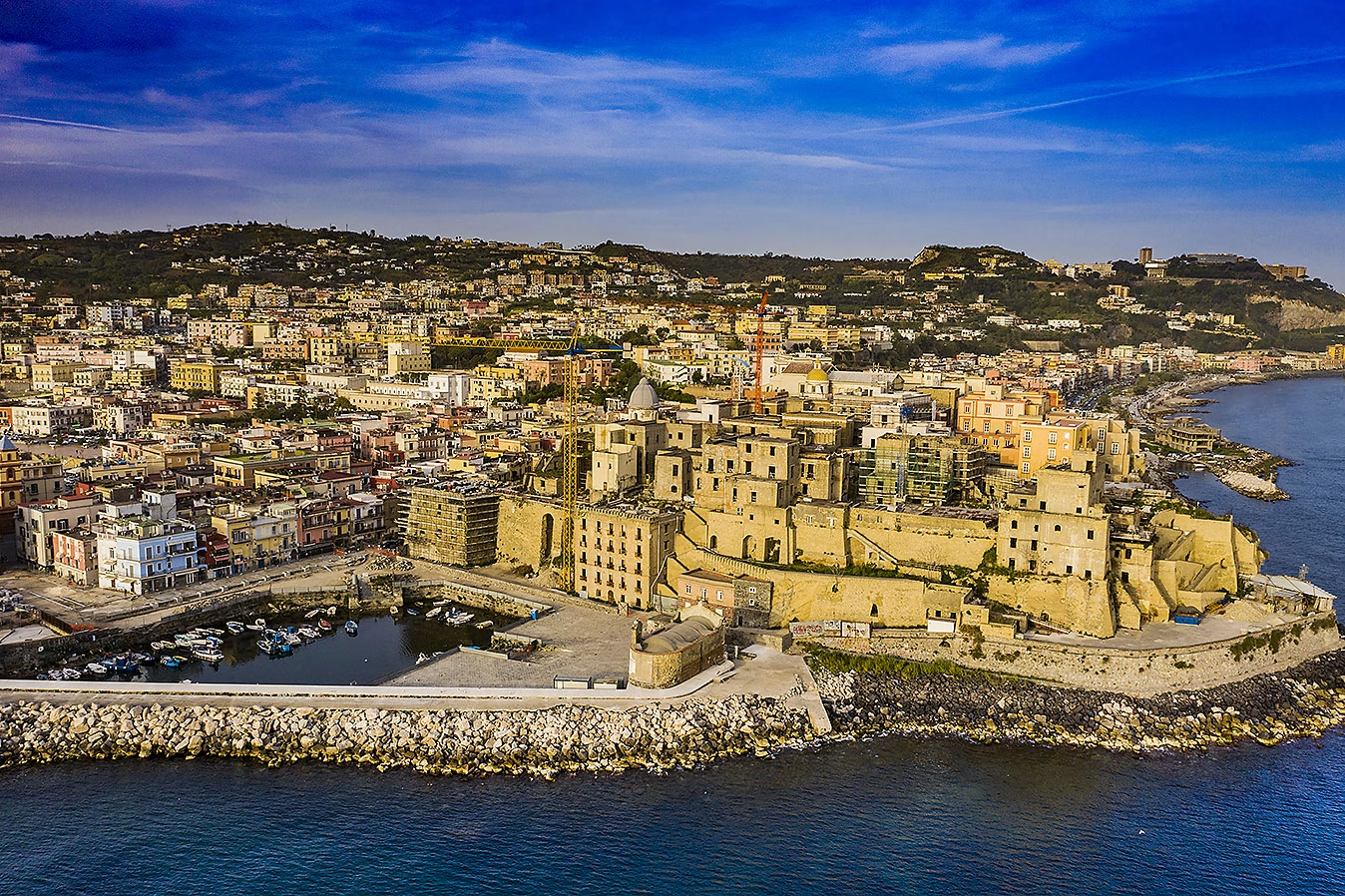
A walk around the district, admission to the Tempio-Duomo and the underground archaeological route have separate visiting arrangements. Confirm which areas are available and whether a reservation is required before planning your visit.
Allow time for the lower town as well. The lanes around the harbour, cafés and waterfront restaurants give a stay its rhythm. A fish lunch or an evening meal by the water belongs naturally alongside the archaeology. The Lungomare Pertini promenade extends the walk along the coast towards Naples.
Pozzuoli can offer a quieter base than central Naples, but it remains a lively working town. Choose accommodation for its position, gradients and access to restaurants as well as its view.
Lake Avernus and Cuma
Lake Avernus occupies a volcanic crater west of central Pozzuoli. Its wooded and cultivated slopes introduce a different landscape from the harbour, with space for a lakeside walk and lunch between archaeological visits.
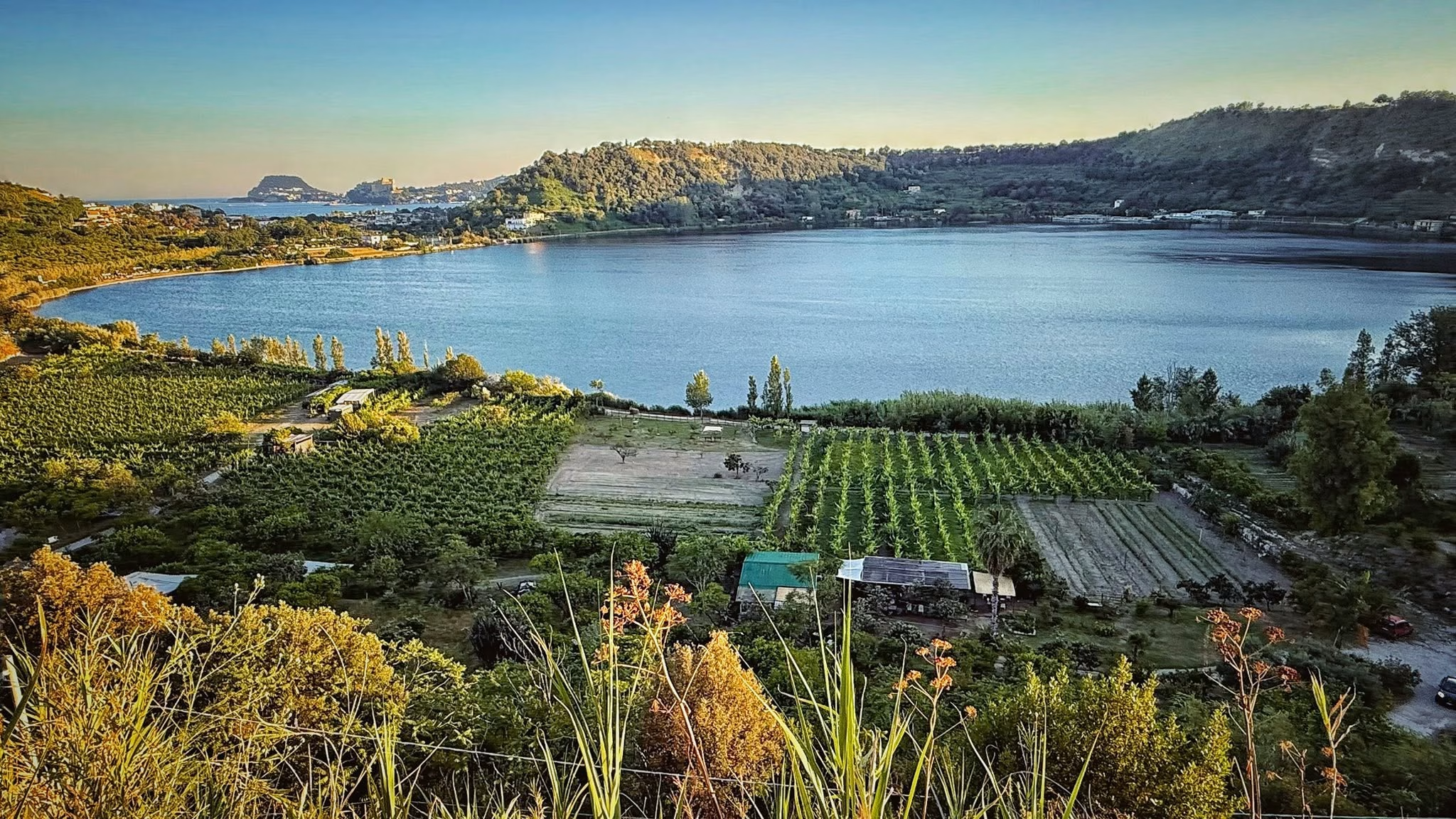
The lake’s association with Aeneas and the Cumaean Sibyl adds a literary dimension to the landscape. It also makes a useful outdoor pause between visits to the surrounding archaeological sites.
Cuma: a separate archaeological visit
Cuma lies further west, away from Pozzuoli’s centre. Its Greek origins provide an earlier chapter than Roman Puteoli. The passage traditionally known as the Antro della Sibilla, the acropolis and the coastal views make it a rewarding partner to Avernus.
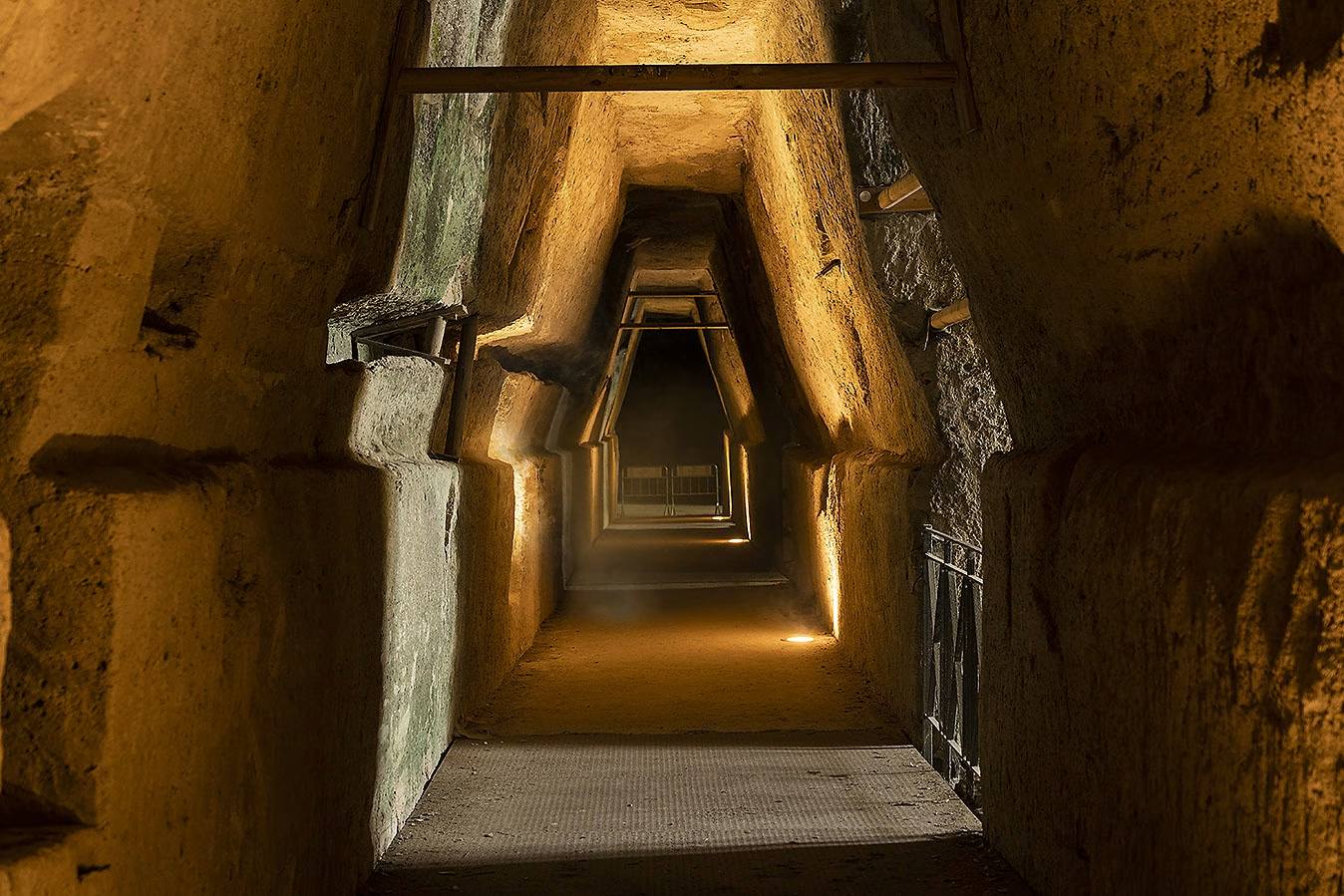
Pair Cuma and the lake as a focused outing with transport between them. They are separate places, not one walkable archaeological complex. For the Greek story within Naples itself, continue with our Greek Naples and Posillipo guide.
Baia, Bacoli and the Roman coast
The wider Campi Flegrei area contains several towns and dispersed sites. Baia and Miseno are in the municipality of Bacoli; neither is a neighbourhood of central Pozzuoli. Give each outing time for a main visit, a nearby stop and lunch by the water.
Baia: baths, castle and submerged remains
Baia became a celebrated Roman resort, where wealthy families built villas beside the sea. Today there are three different experiences to consider: the archaeological park of the Roman baths, the museum in the Castle of Baia, and the submerged archaeological park offshore. Each requires its own planning.
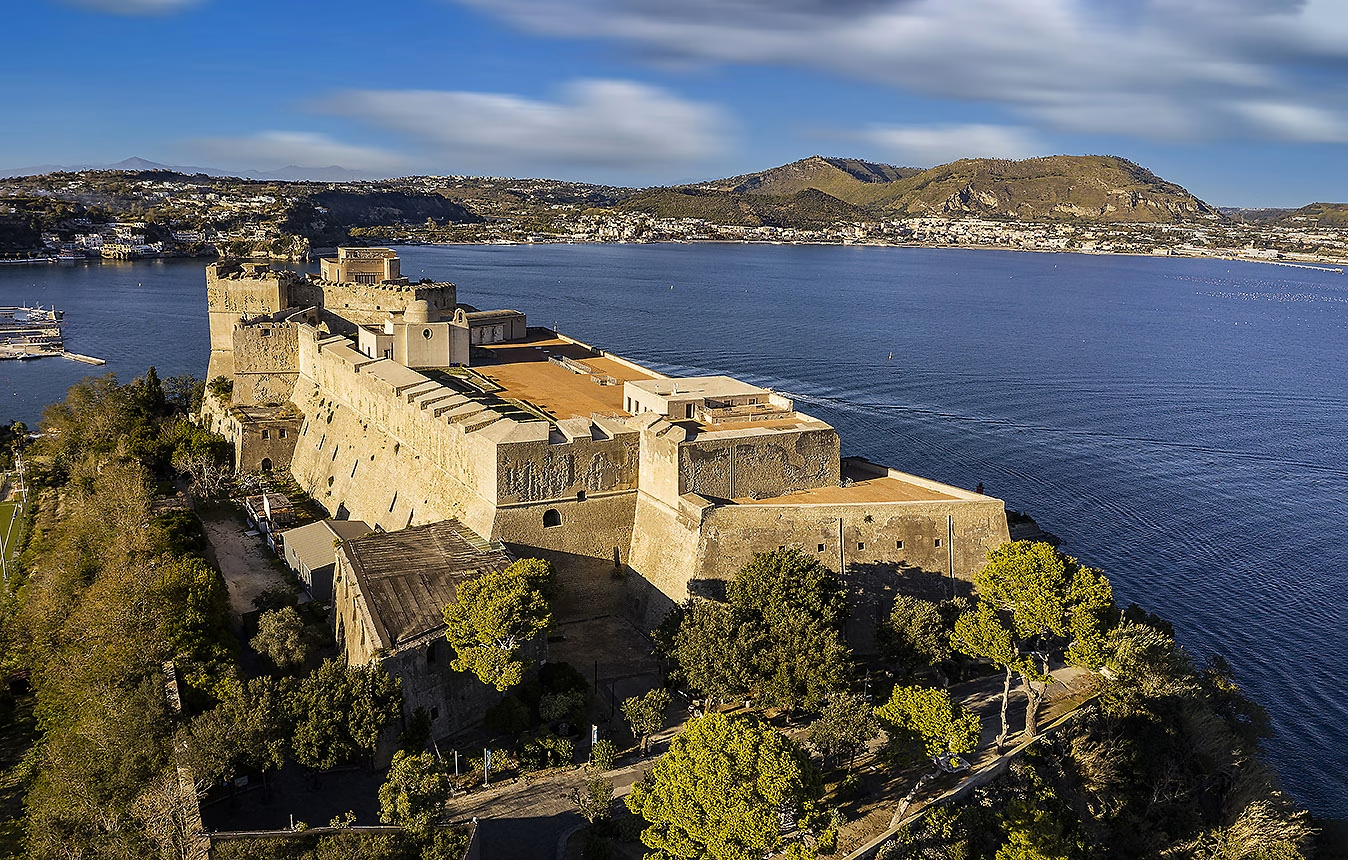
Parts of the ancient coast now lie underwater, a consequence of the long-term subsidence described at the Macellum. Boat viewing, snorkelling and diving are different ways to encounter the submerged remains; book the appropriate operator and allow for sea conditions. Our Sunken City of Baia guide explains this experience in more detail.
Piscina Mirabilis in Bacoli
Piscina Mirabilis is a vast Roman cistern in Bacoli, associated with the water supply of the naval base at Miseno. Its rows of piers and vaulted aisles make it one of the area’s most distinctive interiors. Plan it as a separate stop from the Baia baths or castle museum.
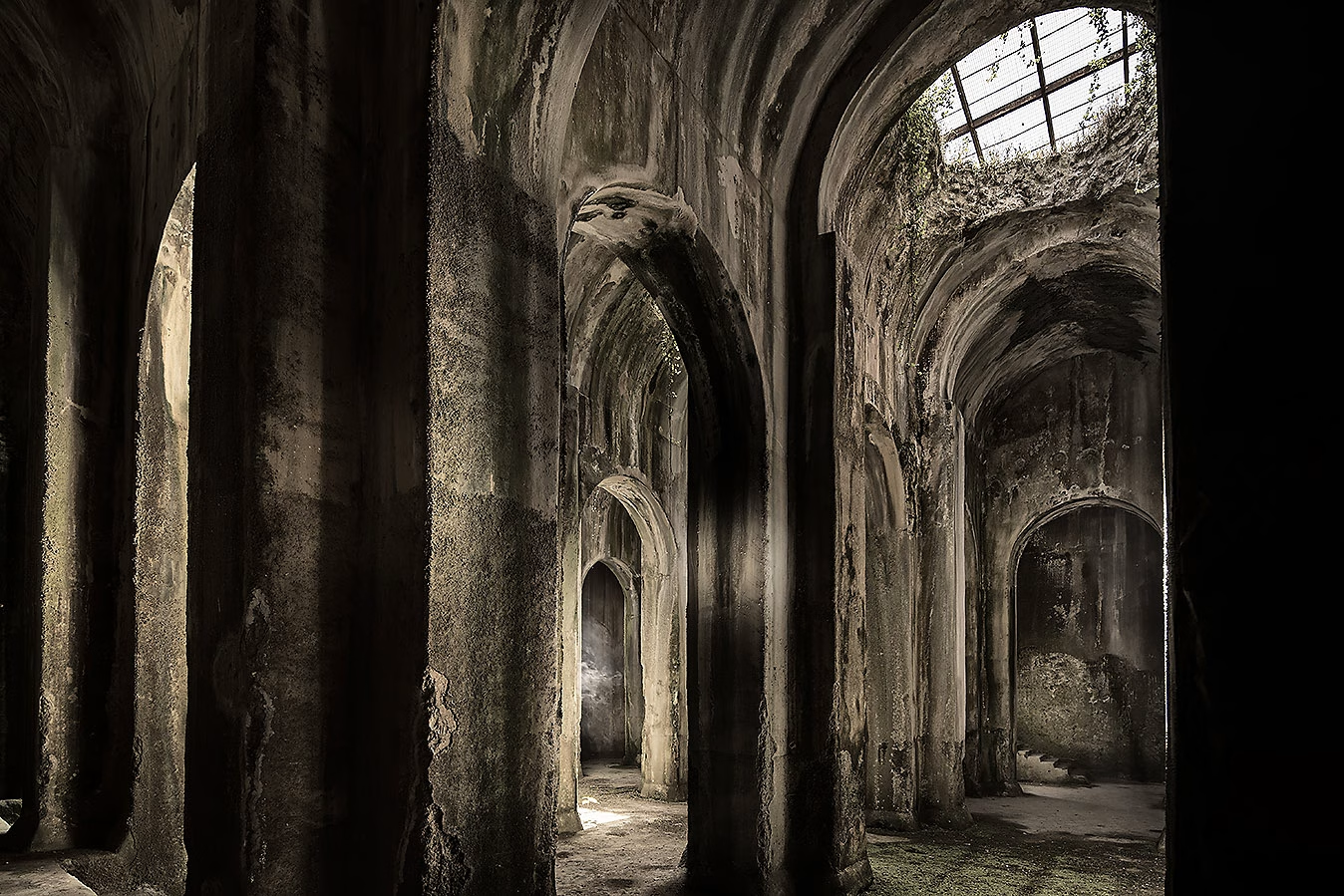
Reserve a timed visit. Standard accompanied admission is not the same as a guided historical tour, so arrange a guide separately if you want the full explanation.
Miseno and the sea
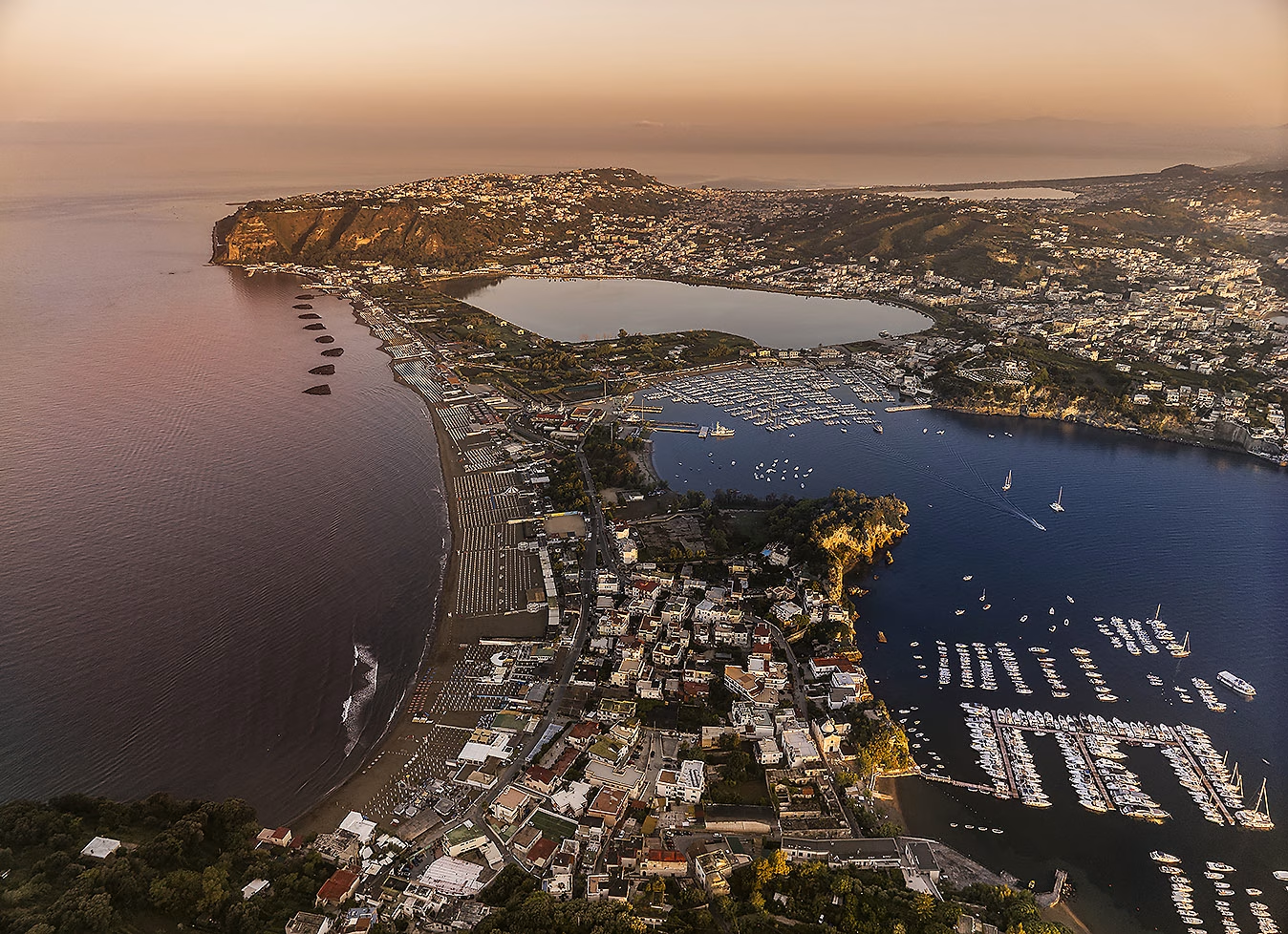
Miseno, at the southern end of the Bacoli peninsula, adds the setting of Rome’s naval harbour and views across the bay. It works particularly well as a coastal finish to a Bacoli outing, with time for lunch and a walk along the waterfront.
Solfatara: a view from outside
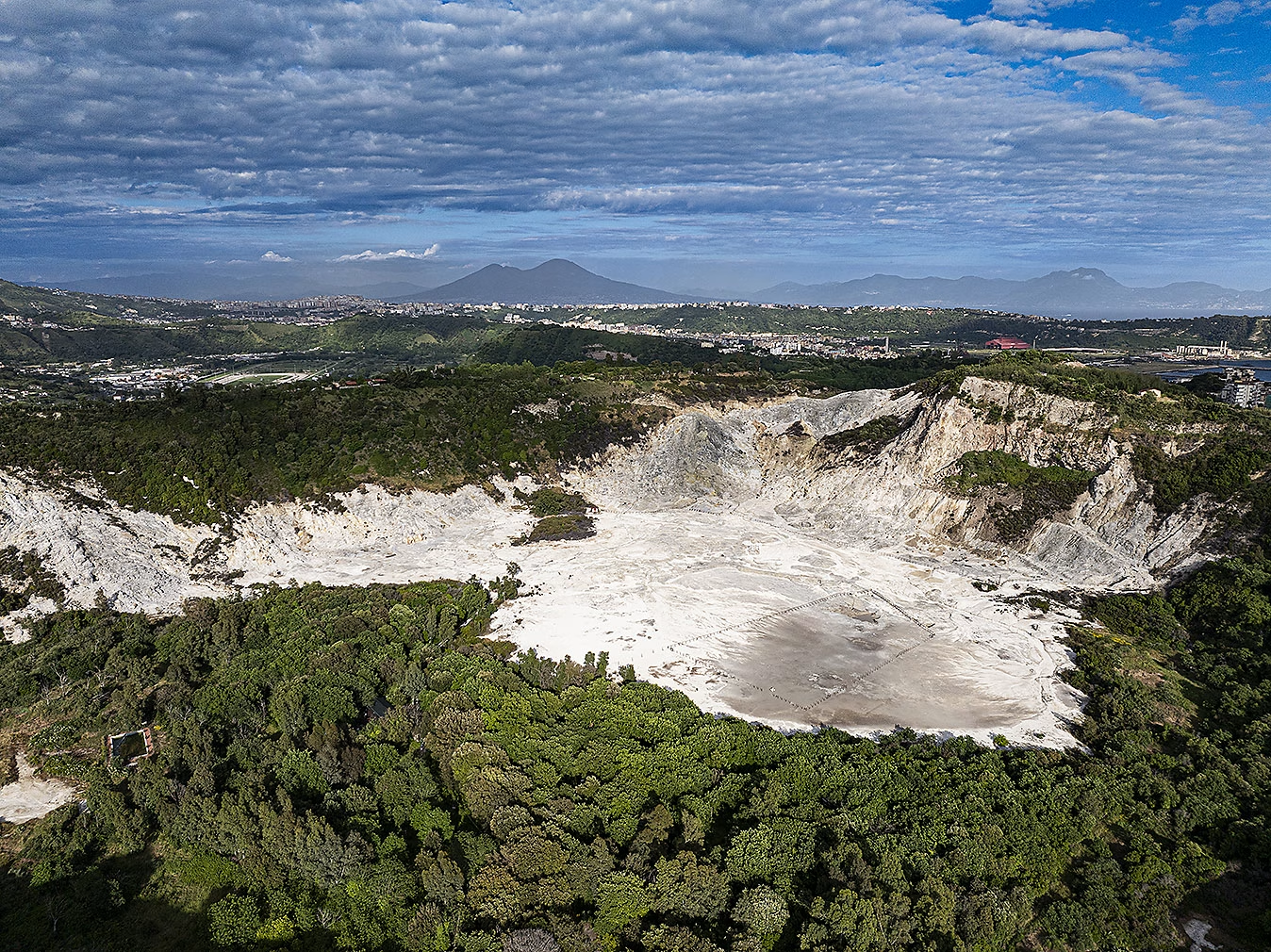
Volcanic craters, lakes and the changing relationship between land and sea connect the places in this guide. Solfatara is one of the clearest features of that landscape.
The Solfatara crater is closed to visitors and cannot be entered. It can only be viewed from outside. Any viewing stop should use a permitted public location, confirmed locally; it is not a crater walk.
How much time to allow
Half a day
Stay within Pozzuoli town. Choose one principal visit, such as the amphitheatre or an available interior at Rione Terra, then allow time for the harbour and an outside view of the Macellum.
A full day
Spend longer in Pozzuoli, with two main visits and a waterfront lunch, or dedicate the day to one part of the wider area. Cuma and Avernus form one geographical grouping; Baia and Bacoli form another.
Three or four nights
A short stay allows separate days for Roman Pozzuoli, Cuma and Avernus, and Baia or Bacoli, with time between visits. This is the better choice if the Phlegraean Fields are a principal interest, rather than an addition to a Naples itinerary.
Explore the history with Maria Chiocca
For a closer look at the myths, Roman engineering and everyday life behind these places, we recommend a private cultural visit with Maria Chiocca. Her page introduces the themes we can discuss with her and how a visit can be shaped for history enthusiasts or families.
Combine Pozzuoli with Ischia
Pozzuoli also pairs naturally with a stay on Ischia. A ferry from the town’s harbour takes you to the island, making it straightforward to combine the Roman sites and volcanic lakes of Campi Flegrei with Ischia’s beaches, thermal waters and coastal towns.
For a holiday of ten to fourteen nights, spend the first few nights exploring from Pozzuoli, then continue to Ischia for a longer island stay. We can plan the accommodation and transfers around your chosen sailing; check the arrival port when arranging the onward journey to your hotel.
For a holiday centred on the city, start with our Naples holidays and add a private excursion west. For several days exploring this coast, base your stay in Pozzuoli.
Reaching Pozzuoli from Naples
The two usual rail options are Trenitalia’s metropolitan Line 2, serving Pozzuoli Solfatara, and EAV’s Cumana from Montesanto. They use different stations. Pozzuoli Solfatara is in the upper town, useful for the amphitheatre; Cumana services approach the coastal side.
Transport update · 28 September 2026. EAV confirms that the Cumana resumed service along the full Montesanto–Torregaveta line on 11 September, when the new Pozzuoli station opened. Use the current EAV timetable to plan your journey. Trenitalia’s published notice describes an interruption between Napoli Campi Flegrei and Pozzuoli Solfatara, with replacement buses; check its service notice and journey planner for your date.
Use the new Pozzuoli station when planning a Cumana journey. Older directions to the former waterfront station can be misleading. Check the arrival station and onward walk against the location of your accommodation or first visit.
Within the town, the amphitheatre, Macellum and harbour can be linked on foot, with slopes, steps and street crossings. As a planning allowance, expect around 15–20 minutes downhill from the amphitheatre to the Macellum, then about 10–15 minutes towards Rione Terra; these are approximate walking times, excluding visits.
Avernus, Cuma, Baia and Bacoli need onward transport. Public transport can work for selected routes, but several sites in one day require careful connections. Private transfers are useful for a booked tour or a stay with luggage. Pozzuoli’s ferries to Procida and Ischia can support an island extension; check Caremar’s current sailings separately rather than adding an island casually to an archaeological day.
Tickets, opening days and access
The archaeological park’s official information is the starting point for current openings and seasonal closing times. The amphitheatre and Cuma normally close on Tuesdays; the Baia baths and castle museum on Mondays. Reserve online where possible, and reconfirm any visit that is central to your plans.
The Circuito Flegreo ticket covers the amphitheatre, Cuma, the Baia baths and the castle museum over three consecutive days. It does not make Rione Terra, Piscina Mirabilis or an underwater excursion part of the same booking. For the cistern, use the Piscina Mirabilis booking page.
Campania Artecard may help if these visits form part of a wider museum itinerary. Covered admission does not remove reservation requirements or include every private tour; use our Campania Artecard guide to assess whether a pass suits your trip.
Archaeological sites involve uneven surfaces, stairs and, at Cuma, uphill paths. Underground spaces may have restricted access. If steps or gradients are difficult, ask about the specific route before booking; a general description of a site as accessible may not cover every part. Comfortable shoes, water and an early start are useful in hot weather.
Park opening information, tickets and transport notices reviewed 28 September 2026. Confirm arrangements again before setting out.
Plan your Pozzuoli stay
Tell us how long you have and what you would like to combine: the Roman sites, volcanic lakes, coastal towns or a stay on Ischia. We can help choose your accommodation and organise the travel and experiences around it.





 Facebook
 WhatsApp channel