Romantic settings in Italy aren’t defined by labels or occasions, but by the conditions a place creates for time spent together.


Places that work for couples — because of what they allow you to share
Some destinations encourage stillness, others contrast or shared movement. What matters is how a setting shapes rhythm, attention, and connection.
This shortlist isn’t about where to go “on honeymoon”. It’s a curated guide to places that naturally influence pace — slowing things down, sharpening focus, or allowing space to reset — depending on how you travel as a couple and what you’re drawn to right now.
Each setting is included for a specific reason. Not because it promises romance, but because it allows it to develop in a way that feels unforced and lived-in.
Salina + Palermo — From intensity to stillness
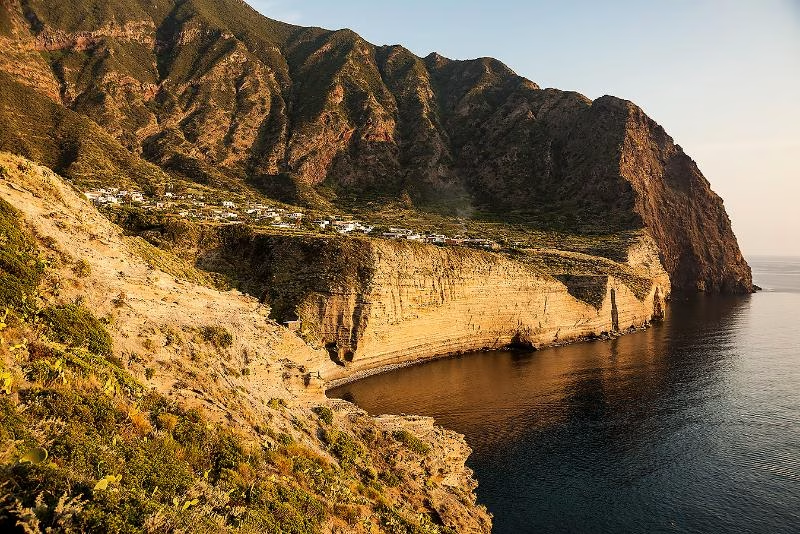
This pairing works when a couple needs contrast to reconnect. Palermo engages fully — through markets, street life, layered history, and human energy — while Salina offers space for that intensity to settle. The island’s fertile volcanic slopes, walking paths, and slow daily rhythm encourage repetition rather than novelty.
Between May and October, direct ferries link Palermo and Salina, allowing movement from city to island without friction.
Where it comes alive:
Merano — “Sissi” and the spa-town love affair
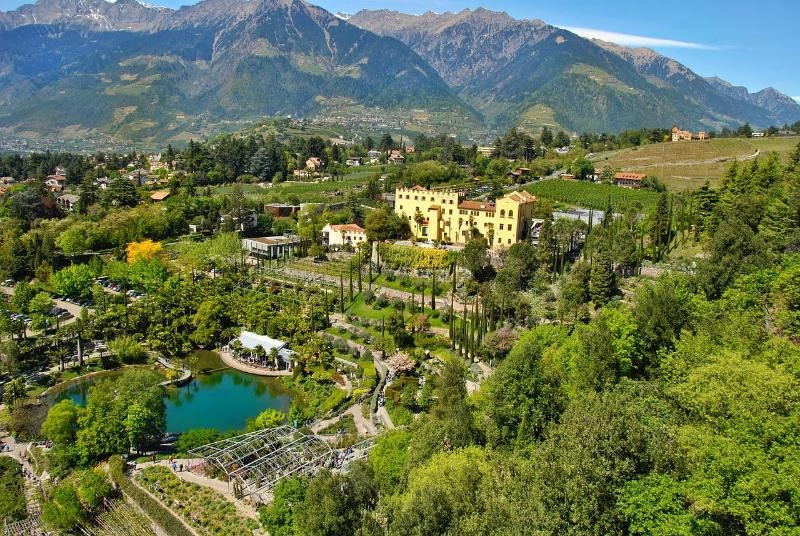
Merano suits couples who reconnect through care rather than excitement. Its Belle Époque gardens, promenades, and thermal culture create a rhythm shaped by walking, rest, and conversation. The town’s mild climate and Alpine setting soften the experience further, encouraging restoration without isolation.
Where it comes alive:
Lake Orta — A love legend on an island of silence

Lake Orta draws couples inward. Enclosed views, hushed villages, and the island of San Giulio create a setting where days naturally slow and evenings narrow the focus to what’s shared. Movement is minimal; presence is not.
Where it comes alive:
Alta Badia, Dolomites — The mountains that blush
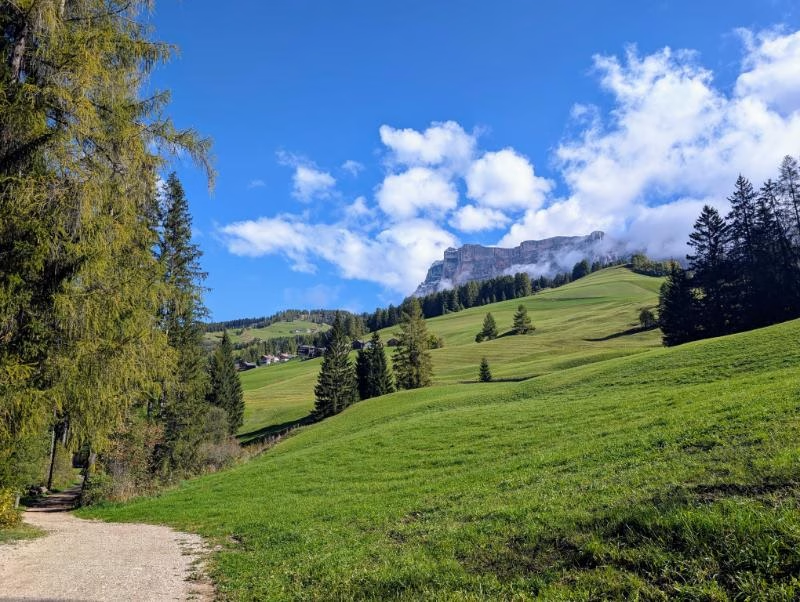
Alta Badia works for couples who feel closer through shared movement. Walking paths, cable cars, and open mountain landscapes encourage side-by-side experience rather than introspection. Light plays a central role here, particularly at sunrise and sunset, when the Dolomites shift colour and the day naturally pauses.
Where it comes alive:
Versilia — Italy’s original beach ritual
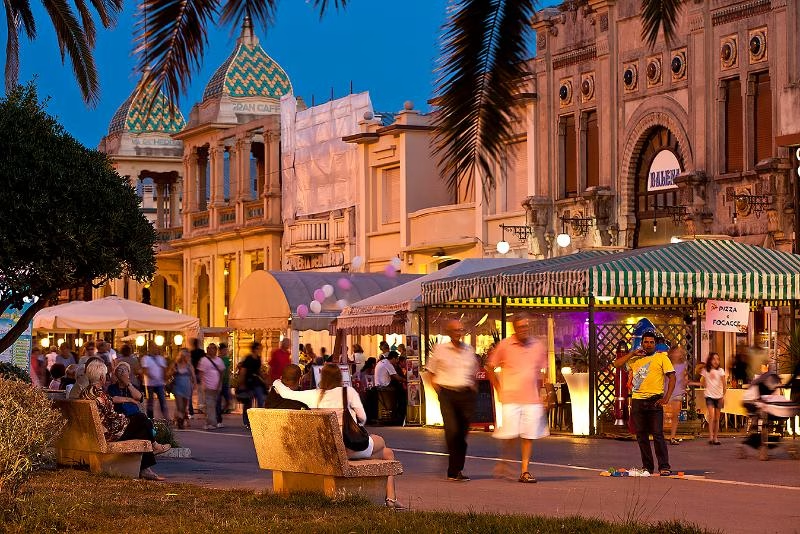
Versilia suits couples who find comfort in rhythm and order. Days unfold predictably — bikes to the beach, long lunches, aperitivi at dusk — removing decision-making from the relationship. The setting feels composed, social, and quietly assured rather than performative.
Where it comes alive:
Not sure which setting fits your way of travelling together?
You don’t need to decide yet. If more than one place resonates — or if you’re drawn to the feeling but not the geography —
start with a simple wish list. Share how you like to travel as a couple, what you’re hoping to feel, and what matters most right now.
start with a simple wish list. Share how you like to travel as a couple, what you’re hoping to feel, and what matters most right now.
From there, the right place — or combination of places — usually becomes clear.
South-East Sicily — Baroque rebuilt for beauty
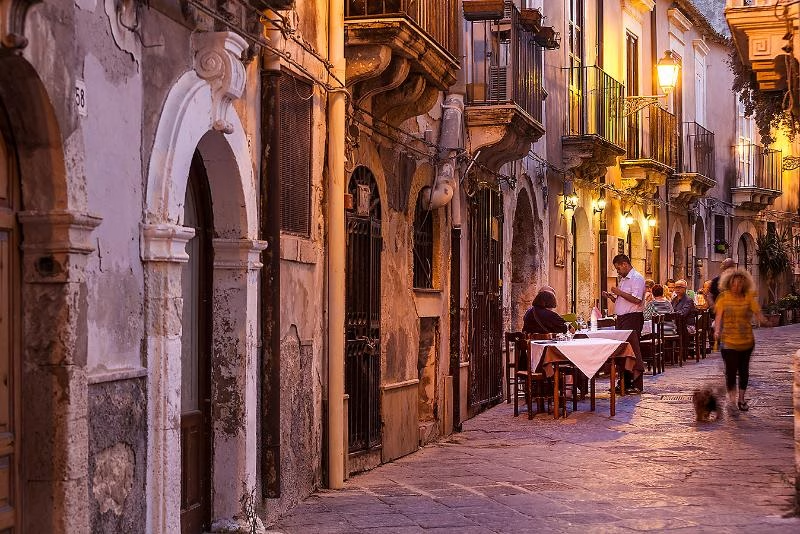
This setting works for couples drawn to harmony and proportion. Towns such as Noto, Ragusa, Siracusa, and Scicli were rebuilt with a unified Baroque vision, designed for walking, light, and balance. Evenings here feel measured and architectural, shaped by space rather than agenda.
Where it comes alive:
Naples & surroundings — A city born from a love myth
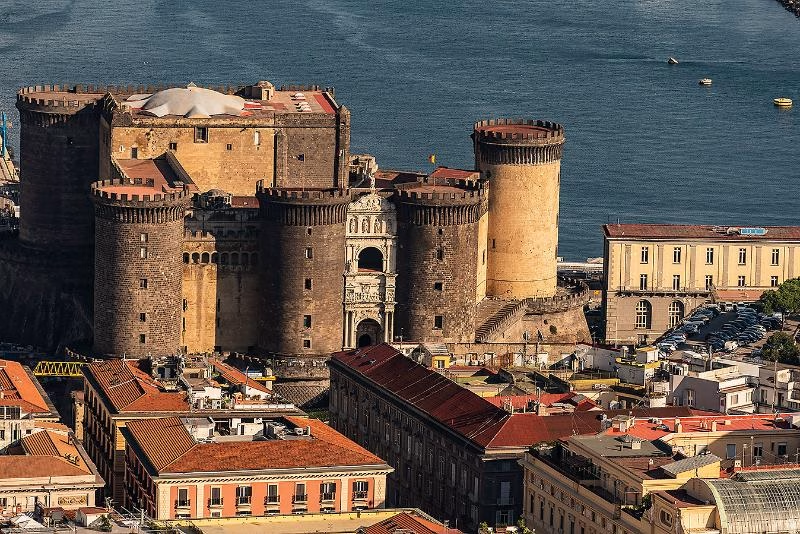
Naples suits couples who connect through intensity. The city’s energy is immediate and human — voices, music, food, closeness — creating shared emotional experience. Paired with nearby islands or coastal retreats, the contrast allows intensity to peak before easing.
Where it comes alive:
Matera + Puglia — Ancient stone and fairytale form
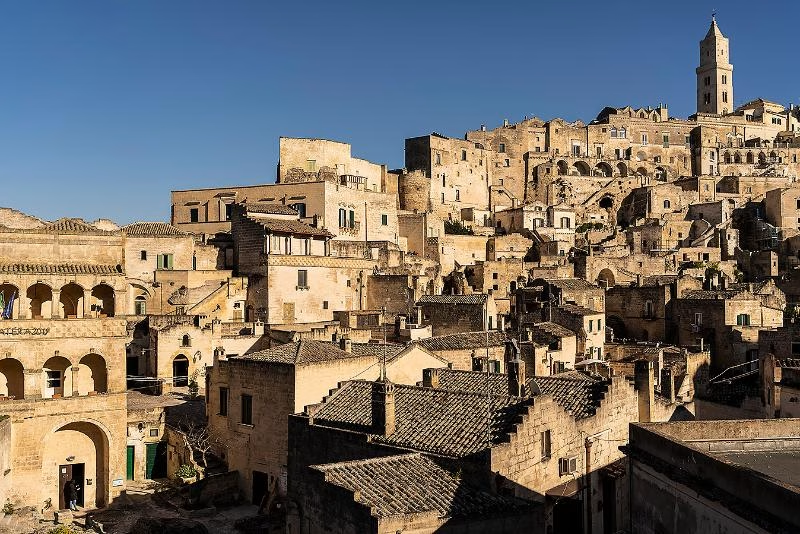
This pairing works when romance comes from discovery rather than comfort. Matera’s cave dwellings are immersive and physical, while Puglia’s trulli introduce a lighter, almost surreal counterpoint. Together, they create a journey shaped by wonder and unfamiliar form.
Where it comes alive:
Marche — Italy’s tragic love story, with a postcode
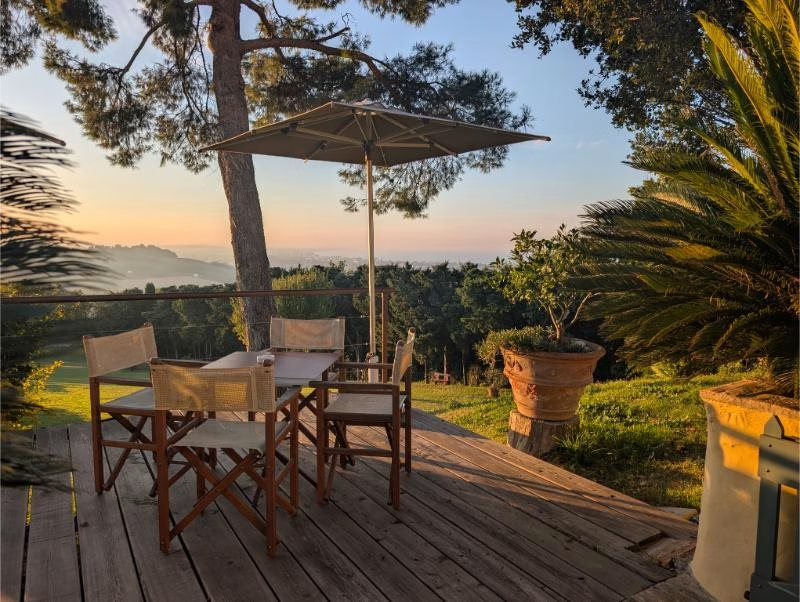
Marche appeals to couples drawn to romance with weight. Gradara provides intensity — enclosed views, medieval stone, remembered love — while Pesaro opens things out again, with sea air, music, and an easy Adriatic rhythm. The pairing balances shadow with light.
Where it comes alive:
Verona & Lake Garda — Romance that became ritual
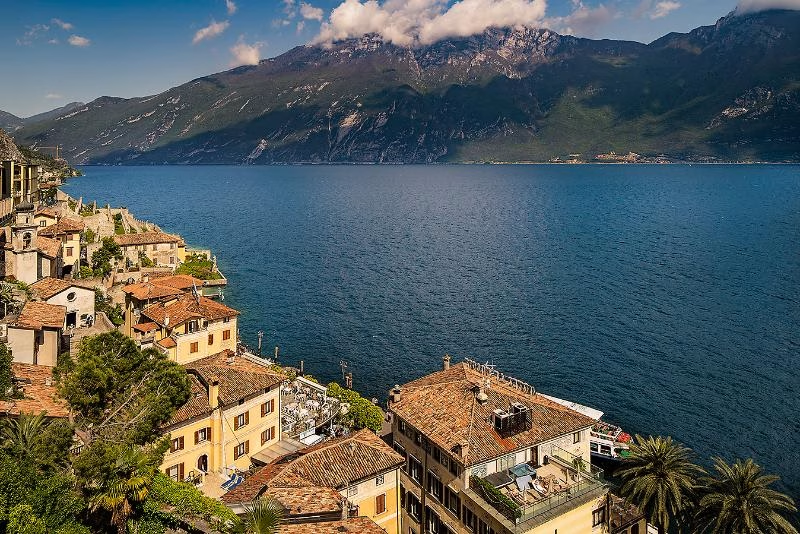
This setting suits couples who enjoy stepping into a shared story. Verona’s myths, courtyards, and daily rituals give romance a familiar structure, while Lake Garda deepens the experience through landscape, water, and calm repetition. The rhythm feels recognisable, not invented.
Where it comes alive:
None of these settings works in the same way. That’s intentional.
Some places reward staying in one spot. Others work best through contrast or movement. Some encourage stillness; others create connection through shared activity or routine.
What matters isn’t choosing the most famous destination, but recognising which setting aligns with how you want to spend time together — and what kind of rhythm feels right now.
If one place stands out immediately, that’s useful. If several appeal for different reasons, that’s often where the most interesting journeys begin.
You’re in good hands
Clients often mention what matters most — care, precision, and the sense of travelling with someone who knows the way.
STAY CONNECTED WITH US (it’s free!)
Unlock insider tips on Italy’s hidden gems, free every month!
👍 Follow us on Facebook – Stay inspired with daily updates, travel ideas, and a community of fellow Italy lovers.

📲 Join our WhatsApp channel 🟢 – Get instant updates, behind-the-scenes insights, and connect directly with our team.

We’ll always treat your details with the utmost care and will never sell them to other companies. See our privacy policy
Package holidays are sold by ExpertoItaly Ltd (Reg. 12035194)
Call us on +44 (0) 77 3838 5790
Registered office: 33 Miles Close, London, SE28 0NJ

Business Hours
Monday – Thursday 9am to 6pm
Friday 9am to 5:30pm
Saturday – please send us an enquiry form
Sunday – please send us an enquiry form